


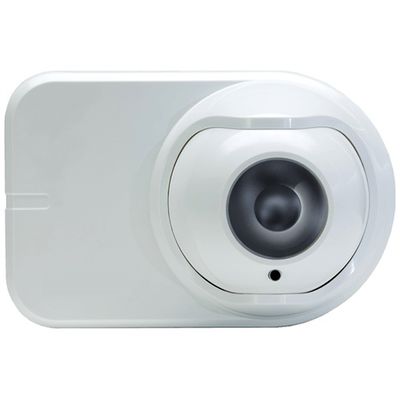
OSID-DE - Smoke Beam Detector (Dual Ended)
Open-area Smoke Imaging Detection (OSID) provides projected beam smoke detection technology. By using advanced dual wavelength projected beams and optical imaging technology for early warning smoke detection, OSID provides a low-cost, reliable and easy-to-install solution that overcomes typical beam detection issues such as false alarm incidents and alignment difficulties. Model Nos. OSI-10, OSI-90, OSE-SP, OSE-SPW, OSE-HPW, OSE-HP-01.
- Maximum detection range of 150 m (492 ft) for the OSI-10
- Maximum detection range for CPR approved products is 200 m (656 ft)
- Dual wavelength LED-based smoke detection
- Optical imaging with CMOS imaging chip
- On-board event log for fault and alarm diagnostics
- High tolerance to false alarm due to building movement
- High tolerance to transient dust, steam and intrusion of solid objects
- Easy alignment with large adjustment and viewing angles
- No need for precise alignment
- Tolerant of alignment drift
- Automatic commisioning in under ten minutes
- Simple DIP switch configuration
- Simple and easy maintenance requirements
- Three selectable alarm thresholds
- Status LEDs for Fire, Trouble and Power
- Conventional alarm interface for straightforward fire system integration
3-D Volumetric Coverage
A significant benefit of OSID is its ability to provide volumetric coverage. As many as seven emitters can be placed within the field of view of a single imager, each placed at different heights. The OSID imager`s large viewing angles, both horizontal and vertical, enable three-dimensional area coverage for design flexibility and additional deployment savings. Unlike other volumetric technologies, OSID delivers absolute calibration for consistent detection performance regardless of lighting conditions, smoke color, airflows or other environmental conditions.
Large, open spaces where high-sensitivity detection is not the priority but reliable, easy detection is essential, including:
- Airports
- Train stations
- Shopping centers
- Stadiums
- Hotels, convention centers and office buildings/complexes
- Entertainment venues
- Warehouses and production floors