

National Environmental Systems (NES)
- Home
- Companies
- National Environmental Systems (NES)
- Products
- Soil Vapor Extraction (SVE) Off-Gas ...
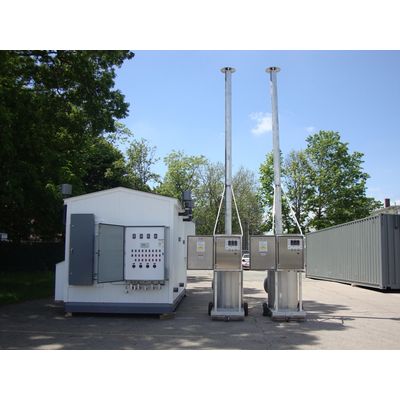
Soil Vapor Extraction (SVE) Off-Gas Treatment System
The vapor removed from contaminated soil using the Soil Vapor Extraction (SVE) technique must be treated to remove the hazardous components. Two methods are generally available – treatment using activated carbon or combustion treatment. Selecting either option is dependent on various factors: VGAC – Vapor Phase Granular Activated Carbon The contaminated vapor is passed through a series of carbon beds sized for flow rates and expected contaminant loading.
Most popular related searches
soil vapor extraction
soil vapor
off-gas treatment system
waste disposal cost
hazardous waste removal
granular activated carbon
gas treatment system
off-gas treatment
activated carbon
vapor-phase activated carbon
VGAC advantages / disadvantages include:
- Time-tested and readily available
- Suited for non-heavily contaminated streams
- Low operating expense
- Waste Disposal Costs accrue
- Requires frequent On-Site effluent concentration measurements
Combustion Treatment / Cat-Ox Treating the vapor stream using combustion / oxidation is available two ways:
Thermal Oxidation which is run at temperatures ranging from 1350°F to 1500°F (730°C-815°C).
- Catalytic Oxidation which uses a catalyst to facilitate a lower operating temperature ranging from 600°F to 800°F (315°C-430°C).
- At NES we have integrated various Cat-Ox systems with our SVE systems. Advantages / Disadvantages include:
- Treats elevated concentration levels
- Eliminates hazardous waste removal activities
- Rental options are widely available for use with newly installed systems generating elevated contaminant levels
- High fuel & utility costs can be expected
- Electrical Controls & Power distribution costs increase