


- Home
- Companies
- Technicalia, by Kraft Pro Sp. z o.o.
- Products
- Technicalia - Air Pollution Biofilter ...
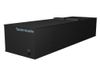
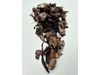
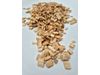
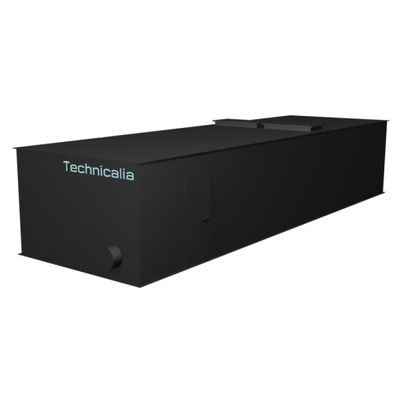
Technicalia - Air Pollution Biofilter Device
A biofilter is a device designed to purify polluted air released from various devices and installations. Its operation is based on airflow through a specially selected biological filter bed, which effectively removes undesirable substances. This flow is forced by an exhaust fan. A key element of biofiltration is the microorganisms responsible for the purification process – their number and condition directly impact air purification efficiency. Biofilters, inoculated with microflora before startup, are ready for immediate operation, ensuring a high level of efficiency in eliminating unpleasant odors and harmful chemical compounds. Biofilters may include only a biological air purification stage, or they may be supplemented with additional stages, such as chemical precipitation in a water scrubber prior to biofiltration and/or adsorption on activated carbon after the biofiltration process.
Effective Technology
The biofilter effectively neutralizes unpleasant odors and reduces a wide range of malodorous compounds by utilizing natural biological processes occurring in a carefully selected biological filter bed populated by microorganisms that break down pollutants in the airflow. The biofiltration process ensures high purification efficiency at low operating costs. Biofiltration efficiency increases in environments with increased humidity and temperatures above 12 degrees Celsius.
Low Operating Costs
The biofilter is characterized by low operating costs – maintaining treatment efficiency does not require the use of expensive consumables. The biological filter has a long service life (up to 7 years), and maintenance costs are limited primarily to monitoring humidity and airflow. Compared to alternative methods, the biofilter offers a cost-effective and ecological solution for facilities exposed to harmful odors.
Installation:
The biofilter should be placed on a foundation or a load-bearing layer of subsoil. Power and water should be supplied to the device in accordance with the technical data sheet. Contaminated air should be supplied through a ventilation duct. Excess water from the biofilter should be discharged to the sanitary sewer system via a downward-sloping sewer pipe.
Facilities where biofilters are most often used:
- sewage pumping stations, expansion wells
- sewage treatment plants
- biogas plants
- solid waste sorting plants and landfills
- paint shops
- animal breeding farms
- production plants
- Housing material: PEHD / PP / stainless steel / carbon steel protected with paint / polyester-glass laminate
- Filter bed: Organic deposit, volcanic lava
- Construction type: Open biofilter tank, covered biofilter tank
- Complementary elements:
- Additional purification stages: water scrubber before biofiltration, activated carbon after biofiltration.
- Air conditioning: air humidification, electric heater
- Bed conditioning: bed irrigation, dosing of microbiological medium to irrigation water, dosing of microbiological preparation to irrigation water
- Malodorous substances: H2S, NH3, VOC, CH4, other
- AKPiA: Relay-based control, programmable logic controller-based control, HMI panels, gas concentration sensors, differential pressure sensors, temperature sensors, air flow sensors, pH sensor, humidity sensors, monitoring, GSM notifications