


Tri-Mer Air Pollution Control Systems
- Home
- Companies
- Tri-Mer Air Pollution Control Systems
- Products
- Tri-Mer - Mercury Emission Control ...
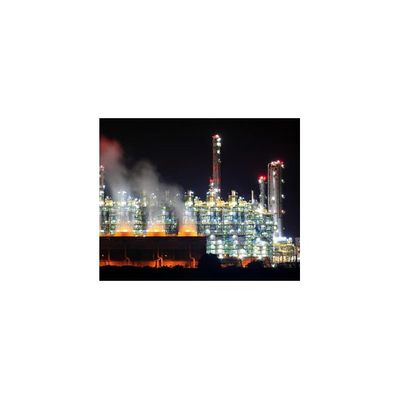
Tri-Mer - Mercury Emission Control System
To date, coal-fired power plants have become the leading contributor to widespread, global mercury pollution. As a result, federal emission standards are in place to regulate the volume of pollution a plant is able to emit. Tri-Mer’s UltraCat system is compatible with standard mercury emission control techniques. Control of mercury is notoriously difficult: each instance is analyzed individually, and customized solutions are engineered. A few general observations can be offered, however.
Most popular related searches
mercury emissions control
powder activated carbon
hot gas filtration system
mercury removal
mercury emissions
emissions control
mercury emission control system
gas filtration system
hot gas filtration
emissions control system
- The catalytic filters can handle very high particulate loads while maintaining exceptionally low outlet levels.
- Just as the addition of dry sorbents for the removal of acid gases is effective, so is the addition of powdered activated carbon (PAC) for mercury.
- In general, regular PAC becomes less effective with temperature, topping out around 400°F. The chemical composition of the pollutant gas plays a major role; hence, the difficulty of blanket statements.
- At higher temperatures, brominated PAC is required. According to the manufacturers of brominated products, temperatures of 500°F to 800°F are acceptable.
- Significant levels of mercury removal have also been achieved with injected powdered trona.
- Many new sorbents for mercury removal have been introduced in recent years; some of these appear very promising.