
- Home
- Companies
- Lindner-Recyclingtech GmbH
- Products
- Lindner - Waste Wood Processing System ...
Lindner - Waste Wood Processing System for Recycling
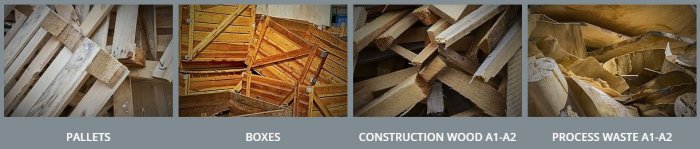
THE RIGHT WAY TO RECOVER WASTE WOOD. TURN OLD INTO NEW. Recovering waste wood properly plays an important part in environmental protection. The degree of contamination of the material determines its further use. The grading structure may vary from country to country. In Germany, for example, there are four grades. Waste wood of grades A I and A II can be sent for recycling, e.g. in chipboard production. Grades A III and A IV are usually only suitable for incineration. More info on: www.lindner.com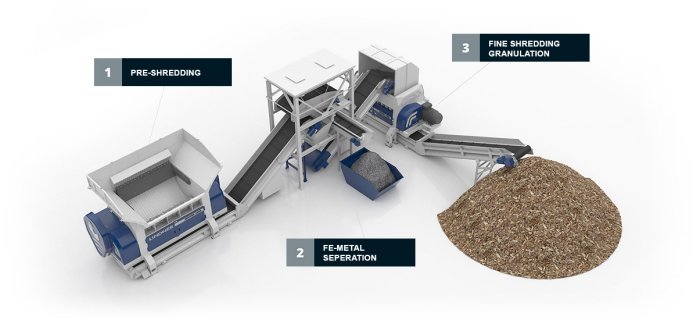
1 Primary Shredding
After the wood has been sorted in accordance with the waste wood grades, A1 and A2 waste wood is processed in the first shredder. This slow-speed shredding system shreds pallets, chipboard, demolition and other partially bulky wooden parts with the aim of creating homogenous, well-broken-down material to subsequently separate nails and other metal parts from the material.
2 Magnetic Separation of Ferrous Metals
In the second step, a permanent magnet fitted above the conveyor belt is used to safely extract ferromagnetic parts such as nails, scrap iron and other scrap metals.
3 Secondary (Fine) Shredding - Granulation
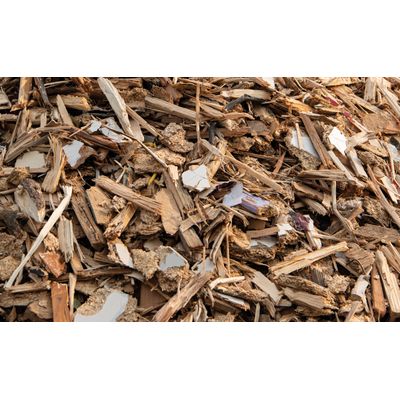
The pre-shredded waste wood that is free from foreign particles and metals then enters the second shredding stage. The final product should be homogenous and about 15–30 mm in size to ensure that the recycled material is of high quality throughout for the production of chipboard later on.
Waste wood shredding for recycling in the circular economy
Recycling renewable resources such as wood plays an important part in environmental protection. Wood is often used for pallets, chipboard and demolition wood, etc. At the end of its life large quantities of it end up as waste wood on recycling companies‘ premises. Then particularly clean waste wood can be recycled and reused as a new product (e.g. recycled chipboard).
Particularly when recycling waste wood, it must be processed in several stages – mostly including these steps:
- Receipt, weighing and quality control
- Sorting in accordance with the waste wood grades (A1 - A4)
- Primary shredding
- Separating of recyclable material (e.g. metals)
- Secondary (fine) shredding/granulating
Waste Wood Recycling Characteristics
- Particle size: 10 - 30 mm
- Waste wood grades: A1, A2
- Use: mostly in the chipboard industry