


- Home
- Companies
- WINEGRID SA
- Products
- WINEGRID - Model e-aphrom - Second ...
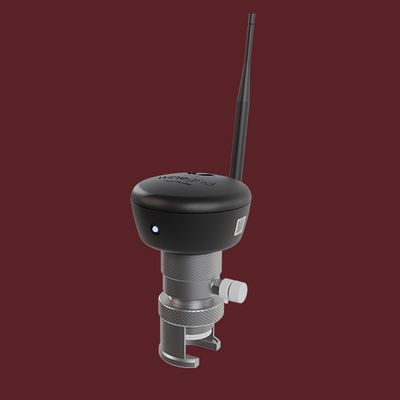
WINEGRID - Model e-aphrom -Second Fermentation Monitoring System for Sparkling Wine
The e-aphrom system is an advanced tool designed for the real-time monitoring of temperature and pressure during the second fermentation stage of sparkling wine production, particularly for those using the Champenoise method. By utilizing the WINEGRID Dashboard, this remote solution offers comprehensive pressure curve monitoring, allowing wine producers to maintain consistent perlage and ensure the highest quality in their products. The system grants the ability to create distinct fermentation profiles, effectively enabling control over the organoleptic attributes of the final wine. This proactive approach minimizes pressure inconsistencies, safeguarding against quality degradation. e-aphrom's bottle handling detection feature aids in analyzing fermentation differences across batches and varying conditions. Housed in a polypropylene case with an aluminum structure and a natural rubber seal, the battery-powered device supports wireless communication and includes a pressure relief valve for secure gas management during the fermentation process.
e-aphrom is a remote and real time solution that allows you to monitor the temperature and pressure of your sparkling wine during the second fermentation process.
CONSISTENT PERLAGE
Allows to monitor the evolution of pressure throughout the second fermentation process. The ability to act proactively, prevents pressure fluctuations, avoiding the reduction in quality.
With the control of the second fermentation kinetics, it is possible to associate different fermentation profiles and control the organoleptic characteristics of the final product.
BOTTLE HANDLING DETECTION
With automatic detection of bottle handling events and comparison of the evolution of fermentation in the bottle, in different batches or at different temperatures.