

Kurita Avista - Membrane Autopsy with CEI
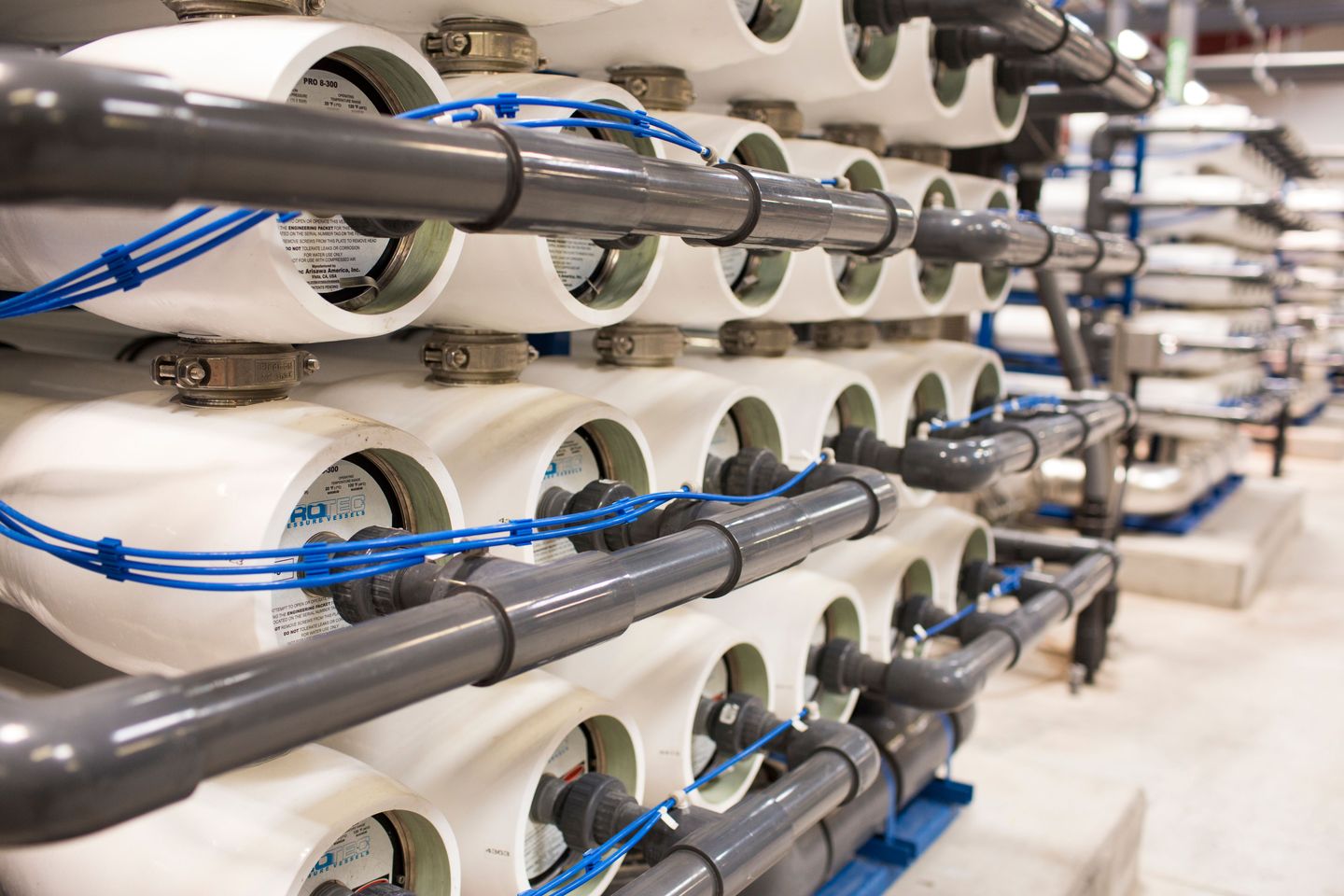
Persistent fouling of reverse osmosis (RO) membranes can lead to increased differential pressures, reduced permeability and salt rejection, and costly downtime, disrupting operations. Avista addresses these challenges with advanced membrane autopsies utilizing cutting-edge Avista Chromatic Elemental Imaging? (CEI?), site audits, and pilot studies to identify and resolve fouling causes. This approach enhances system performance and extends membrane lifespan.
The Avista™ Membrane Autopsy is one of the most powerful tools available to identify, prevent and correct membrane performance issues to improve RO and MF/UF system performance and operation.
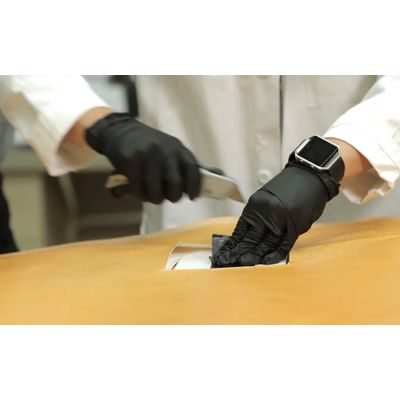
It includes a physical dissection of a membrane module to remove samples and supporting materials for comprehensive laboratory and foulant analysis. This analytical lab procedure identifies scaling or fouling problems, determines the appropriate cleaning regimen, and verifies the presence of chemical and physical damage.
On-site, technical experts utilize visual and quantitative data from the autopsy to evaluate system operating conditions and propose precise recommendations to optimize system performance.
CEI is a technology used to identify the location and relative concentration of elements in a foulant sample.
The process involves accelerating a beam of focused electrons across the surface area of a foulant sample, causing each element to emit electrons. The emitted X-ray patterns are specific to each element, enabling individual identification. CEI then assigns a unique color to each element and produces a two-dimensional, high-resolution image of the foulant sample, with element concentration indicated by color intensity.
While CEI provides critical insights into the nature of site-specific membrane fouling issues, confirming the primary sources and implementing effective solutions requires on-site evaluations by technical field experts.
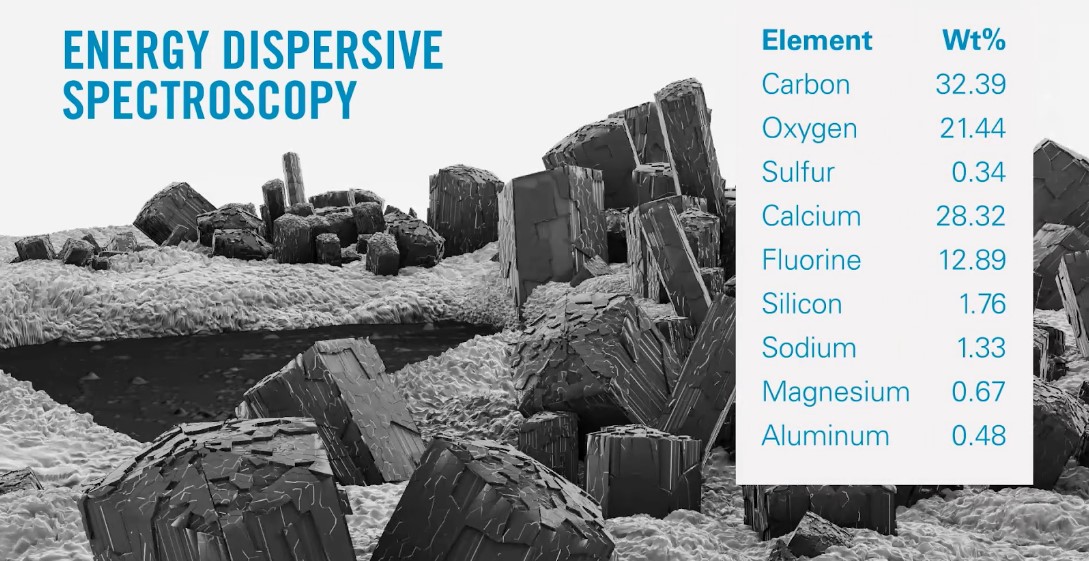
CEI utilizes SEM (Scanning Electron Microscopy) principles with advanced elemental mapping to reveal the intricate interactions among inorganic, organic, metal oxide, and colloidal compounds.
Unlike traditional SEM, CEI and Energy Dispersive Spectroscopy (EDS) enhance insight into the layering characteristics of foulants deposited on a membrane surface by mapping elements directly on the images.
Understanding the fouling sequence mitigates the root causes of membrane fouling. This approach allows for a thorough analysis of the fouling layer and the development of targeted cleaning strategies.
- Troubleshooting: CEI is unmatched in its ability to accurately identify the primary membrane foulants, aiding in the detection of process deficiencies and preventing future fouling.
- Product Innovation: CEI accelerates the development of new antiscalants, cleaners, and biocides by providing scientific validation of formulations that target specific foulants, replacing traditional trial-and-error methods.
Beyond CEI, you can also use other advanced diagnostic tools that offer deeper insights into the chemical composition and structural characteristics of fouled membranes, enabling more precise identification and remediation of fouling issues.
- Fourier Transform Infrared Spectroscopy (FTIR): In addition to CEI, techniques like FTIR provide further insight into the chemical composition of membrane foulants, enhancing the diagnostic process.
- X-Ray Diffraction (XRD): XRD is used to analyze the crystalline structure of inorganic elements in fouled membrane samples for a deeper understanding of the fouling process.
- Dye Testing: This standard procedure helps visualize the damage across the membrane to identify the dominant types of damage.