- Home
- Companies
- AEI Decon - an Apple Environmental ...
- Services
- Meth Lab Decontamination
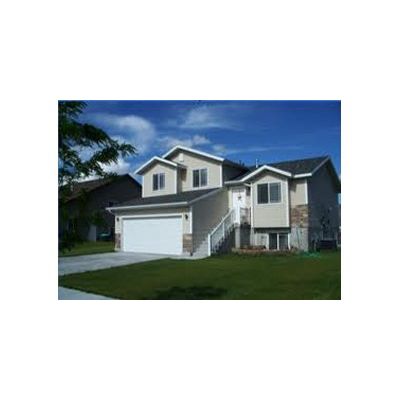
Meth Lab Decontamination
The health dangers and property damage associated with the manufacturing and use of methamphetamine along with increasing concerns about poor indoor air quality in general have created a high demand for trained decontamination experts who can help keep your home and family safe.
Methamphetamine goes by many names including: crystal, ice, crank, or meth. Meth production labs are located in big cities,
small towns, and rural communities all over the U.S, and have become a huge problem during the last 20 years. Because meth cooking is a relatively simple process that utilizes common household products during manufacturing, a lab can be set up practically anywhere. Labs are most commonly found in apartments, rental properties, storage sheds, vacant buildings, campgrounds, motel rooms, and one was even discovered in a drug rehabilitation clinic!
Although meth labs are becoming less prevalent due to the restricted access of pseudoephedrine, a main ingredient of meth, the contamination created by the use and smoking of meth can cause just as much damage as the cooking of meth. If you are aware of or suspect that someone has smoked meth in your home or building, it is important to have your home tested for meth contamination immediately. The only way to prevent health problems due to meth contamination is to have your home or building thoroughly decontaminated.
A meth lab can be set up in any house, apartment, hotel, restaurant, barn or other building. Common household chemicals are used to make methamphetamine, but
when combined produce deadly toxins. Due to the flammable nature of the chemicals used to make meth, many labs are discovered after they have caught on fire.
Chemicals used in meth labs include:
- Acetone
- Alcohol
- Fertilizer
- Bleach
- Battery Acid
- Coleman Fuel
- Drain Cleaner
- Drain Openers
- Gasoline Additives
- Hydrogen Peroxide
- Iodine
- Lithium Batteries
- Matches
- Pseudoephedrine
- Salt
- Sodium and Lithium metal
- Starting Fluid
- Swimming Pool Chemicals
- Gun Cleaning Solvent
Common Equipment used in meth labs:
- Aluminum Foil
- Bed Sheets
- Blenders
- Bottles
- Chemistry Glassware
- Camp Stoves
- Cheesecloth
- Coffee Filters
- Cotton Balls
- Duct Tape
- Electric Portable Hot Plates
- Funnels
- Garden Spray Jugs
- Gas Cans
- Jugs
- Paper Towels
- pH Test Strips
- Plastic Tubing
- Pressure Cooks
- Propane Tanks and Thermos
- Pyrex Dishes
- Rags
- Rubber and Latex Gloves
- Rags
- Rubber and Latex Gloves
- Strainers
- Thermometers
- Turkey Basting Wand
Meth labs can be lethal to those living in the surrounding area. If you suspect a meth lab in your neighborhood, report it immediately to prevent any further damage.
Meth labs are often in highly populated residential areas so it is important to report any signs of a meth lab. Neighbors living near a meth lab often notice unusual behavior or their neighbors running the meth lab as well as unusual waste in unauthorized dump sites.
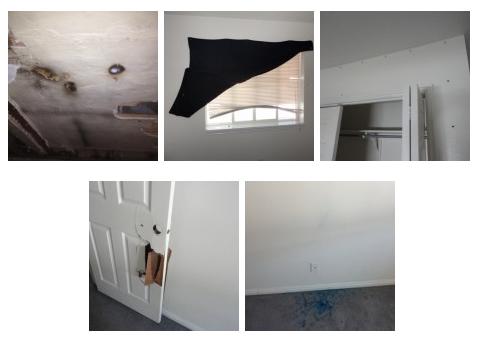
Some warning signs of a meth lab include:
- Denied access to the area
- Increased traffic and late night visitors with unusually shorts stays
- Covering and blacking out windows
- Guard dogs
- Chemical smells not normally found in residential areas
- Large amounts of household chemicals
- Waste with a large number of pill packaging
- Coffee filters, pillow cases and sheets that are stained red
- Glass containers with dried chemical deposits remaining
There are many health problems associated with methamphetamine contamination exposure. One of more of the following symptoms may indicate exposure to methamphetamine:
- Watery, red, and burning eyes, often accompanied by discharge and pain
- Skin irritations, redness and rashes
- Chest and/or abdominal pain and diarrhea
- Chronic sneezing and coughing and shortness of breath
- Negative effects on the central nervous system
- Congestion of the voice box and other throat problems
- Moderate or severe headaches
- Dark-colored urine
- Rapid heart rate
- Yellow jaundice
- Fever
- Decrease in mental capabilities
- Hallucinations
Many of these ailments are transient, meaning they are only an issue when a person is actually in the meth site environment. However, constant exposure to a contaminated structure may lead to permanent problems.
If you have encountered a possible Meth lab site there are certain measures you should take to stay safe and alert the authorities.
What to do if you suspect a Meth house:
- Leave the site immediately and call authorities to report the site
- Do not touch or open anything including containers and boxes
- You should not spend time inside the site
- Do not alert the suspected Meth lab creators of your suspicions
- Do not shut off any electrical supplies
- Contact an Environmental testing company who can complete a thorough inspection and conduct the necessary testing required for the conditions
Whenever a meth house is suspected, the police should be contacted immediately. This can prevent severe health problems for everyone in the surrounding area and a possible explosion or fire.
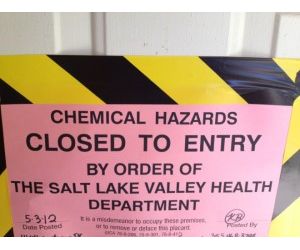
Reliable Meth Testing for Total Peace of mind
Meth testing is done to determine whether or not a home or building previously used to cook or smoke methamphetamine is still contaminated with meth residue. Meth testing is strongly recommended when you buy, sell, or rent a property to keep the inhabitants of the property safe from the health problems cause by meth contamination and residue.
Who Should Have Meth Testing Performed?
- Real Estate Agents:To be sure that listed properties are not compromised by the presence of meth residue.
- Property Buyers: If you are in the market for buying a residential or commercial property, it just makes good sense to protect your investment by having it tested for meth before you buy.
- Business Owners:If you suspect meth use at your place of business, having your buildings tested by Apple Environmental will help you get the answers you’re looking for.
- Families: If you have reason to believe your spouse or child may be using meth, you may want to have bedrooms, recreation rooms, the garage, or cars tested.
- Rental Property Owners: Residential rental properties and storage units are hotbeds for meth labs as well as meth use. Have your investments tested regularly for your safety as well as your tenants’.
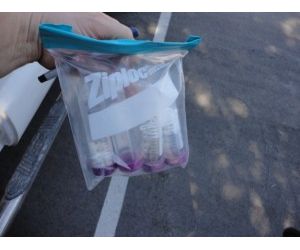
What to Do About Methamphetamine Contamination
methcleanupanddecontamination Meth Lab Cleanup UtahThorough cleanup or decontamination is the only way to get rid of the health hazards in any structure that has been contaminated by meth. In the past demolition was the most widely used technique to “clean” a meth house. This process included removing all of the contaminated materials from the property; sheet-rock, flooring, cabinets, counter-tops, fixtures, and any other item not used as part of the structure of the house. The cost involved in such an undertaking was not cost effective and left the property owner in an undesirable financial situation. Some property owners simply try to clean the interior using household cleaners which is only partially effective at best. Most advertised decontamination methods are not totally effective; in fact, when only cleaning is used as part of “decontamination,” some residue is inevitably left behind and actually re-contaminates the structure! Just painting over walls doesn’t work either: it just covers up the problem, and toxins inevitably off gas through the paint contaminating the air once again.
The Apple Environmental Meth Decontamination Solution
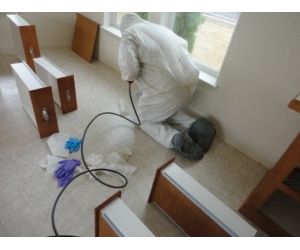
Apple Environmental offers another alternative that tackles the problems caused by a demolition type service and is much more effective than just cleaning. Methamphetamine is created chemically so we created protocols and systems to decontamination chemically. Our products applied by our trained and certified technicians safely and effectively eliminate meth contamination residue from any residential or commercial structure. By taking a scientific approach we are able to safely decontaminate walls, ceilings, non-porous flooring, cabinets, light fixtures, heating systems, and other items in a house saving thousands in replacement costs and time living away from home. There is absolutely no need for expensive demolition when the property is properly decontaminated by our product which is non-toxic, non-corrosive, completely bio-degradable, environmentally-friendly and safe for people, pets and structures.
Apple Environmentals’ decontamination process is safe and effective. Our certified decontamination specialists provide thorough clean up of the property and accurate clearance testing to confirm the process was effective.
Methamphetamine contamination is considered an environmental hazard. Brokers often face problems with meth contamination of a home they are trying to sell. In these cases, the decontamination of the property is important to prevent health problems of the potential homebuyers and to provide peace of mind that comes with proper decontamination. Although the Utah laws governing meth testing and decontamination have relaxed in recent years, any homebuyer may elect to have a property tested for Meth. If the home tests positive for Meth, the potential homebuyer often backs out of the deal unless appropriate decontamination methods have been used and the home is free of health hazards caused by Methamphetamine use or manufacturing. To help the seller to afford the cost of the decontamination, Apple Environmental has partnered with Surety Title to include the cost of the decontamination into the closing costs of the house. If the seller and buyer can come to an agreement, the sale can still go through. Visit Surety Title for more information.
Current rules and regulations regarding Meth decontamination and homes identified as meth labs in the state of Utah include:
“As the law stands now, any identified clandestine drug lab producing meth must be reported to the local health department and must be cleaned to meet the decontamination standards outlined in Rule 392-600 (1.0 µg/100cm²). Currently, labs are most easily identified by confirmed law enforcement seizing, or “busting” a lab.
Each local health department is required to maintain a list of each of these properties for public view. Each property will remain on the contamination list until sampling test results are less than 1.0 µg/100cm² . Once the property’s sampling tests meet the standard, the property is removed from the list. These records are available to the public through a GRAMA request. Contact your local health department for specific procedures.
Each local health department has the authority to create ordinances for their respective jurisdiction. Although understanding Rule 392-600 will provide a framework for remediation, consulting your local health department prior to beginning any decontamination process is recommended.”