

- Home
- Companies
- Indoor Environmental Technologies (IET)
- Services
- Mold Testing and Mold Inspections
Mold Testing and Mold Inspections
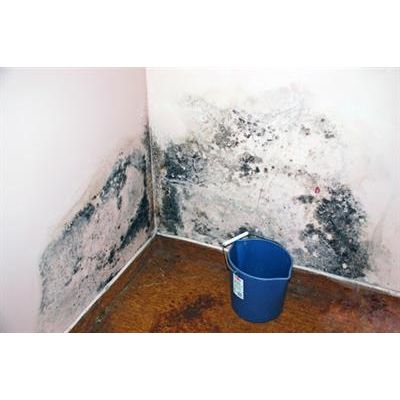
Florida is known for its hot, humid and rainy climate. These conditions produce extreme stress on buildings, making them more susceptible to moisture intrusion problems than anywhere else in the country. Moisture intrusion problems left untreated for more than a few days will often turn into mold problems, which may pose significant health risks to building occupants and greatly accelerate deterioration of building materials. Since mold can start to grow in as little as 48 to 72 hours, it is critical to deal with building moisture concerns in a timely fashion, before they generate a mold problem! We provide professional mold inspections throughout the state of Florida, which mostly includes the west coast and the following cities: Tampa Bay, St. Pete, Orlando, Kissimmee, Sarasota, Spring Hill, Port Charlotte, New Port Richey, Naples, Ocala, Leesburg, Lakeland, Sebring, Brooksville, Inverness, etc. We have also traveled the Southeast US and Caribbean.IET performs mold inspections to locate mold growth and determine how far mold spores may have spread within the building. Visual inspection, moisture mapping, thermal imaging, viable and non-viable air and surface sampling, and bulk material sampling are some of the tools we use to make these determinations. From this information, we can develop a detailed Mold Remediation Protocol that a remediation contracting firm can use to develop an estimate for repairs. IET can also perform a Post-Remediation Verification to document that the structure has been returned to normal mold levels before reconstruction begins.
Wet building materials create the potential for mold and other mold growth. Rapid response and corrective measures can often dry materials quickly enough to minimize contamination and repairs. IET works with water damage restoration contractors to ensure that drying equipment is used appropriately and cost-effectively, and to document compliance with IICRC`s S500 Standard and Reference Guide for Professional Water Damage Restoration. By using IET`s services, an insurer or property owner can be confident that water-damage losses are handled in the most efficient way possible, minimizing down time and reducing structural drying costs.
Sewage leaks or backflows into buildings create grossly unsanitary environments, as human pathogenic bacteria and viruses are heavily concentrated in sewage. In addition, mold growth can occur if the contaminated water and affected materials are not removed quickly. IET works with remediation contractors to ensure that work is handled in full compliance with IICRC`s S500 Standard and Reference Guide for Professional Water Damage Restoration. IET can also perform a Post-Remediation Verification to document that the structure has been returned to normal mold levels before reconstruction begins.
Molds are capable of causing health problems in three main ways:
- Infection. They can begin to grow inside the body. Mold (fungal) infections are rare except among people who are immune-compromised.
- Allergies. For those people who are allergic to a particular mold, the health effects can be quite serious. With high exposure levels, it is possible for mold allergies to develop. Aggravation of asthma and sinusitis can also occur, and has aspects in common with allergic reactions.
- Toxic effects. Many molds produce fungal poisons (mycotoxins) as a defense mechanism against other micro-organisms. Some of these are toxic to humans if there is a sufficient dose. Whether mold growth in buildings provides a sufficient dose to cause serious human health effects is hotly debated among scientists.
The US EPA says, “When moisture problems occur and mold growth results, building occupants may begin to report odors and a variety of health problems, such as headaches, breathing difficulties, skin irritation, allergic reactions, and aggravation of asthma symptoms; all of these symptoms could potentially be associated with mold exposure.”
“Many symptoms and human health effects attributed to inhalation of mycotoxins have been reported including: mucous membrane irritation, skin rash, nausea, immune system suppression, acute or chronic liver damage, acute or chronic central nervous system damage, endocrine effects, and cancer. More studies are needed to get a clear picture of the health effects related to most mycotoxins. However, it is clearly prudent to avoid exposure to molds and mycotoxins.” www.epa.gov/mold/append_b.html
IET avoids both over-reacting to mold issues and brushing them off as of no concern. We concentrate on developing protocols to help people correct moisture and mold problems in buildings with the steps necessary to control cost and disruption.