- Home
- Companies
- Water Technology Engineering Ltd. (WTE)
- Services
- Wastewater and Sewage Treatment ...
Wastewater and Sewage Treatment Consultancy Services
WTE is also an independent UK consultancy providing technical, advisory and expert witness services in the specific area of Sewage Treatment and soakaway drainfields. WTE specialises in the project analysis, design, operation and control of sewage treatment systems for both domestic and commercial sites, both in the UK and Worldwide, including joint International projects. We work within all Environmental, Building Control and Environment Agency rules, guidelines and recommendations, to deliver a complete wastewater solution to Building Consultants, Architects, Engineers and developers at very reasonable rates.
- Wastewater Consultants
- Environmental Consultants
- Building Consultants
- Structural Engineers
- Developers
- Architects
- Civil Engineers
- Local Authorities
- Environmental Agencies
- Private Individuals
WTE can also deal with the relevant Authorities on your behalf, obtaining all necessary permissions and permits.
If you would like to discuss a specific project, please do not hesitate to contact us. All discussions will be treated in the strictest confidence.
Phosphorus pollution is a growing problem in UK Waterways and it is a problem that future private sewage treatment plants must address.
Aleady, we are having enquiries from people who are being asked to reduce the Phosphate level of their sewage before they will be granted access to Mains Drainage and public sewers.
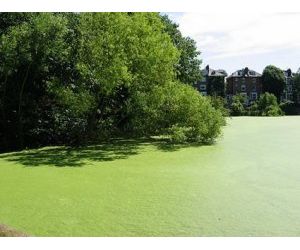
Phosphate causes exceesive growth of algae in rivers, ponds, lakes, etc. and this surface cover of the water blocks the light for aquatic plants and animals and reduces the oxygen levels in the water. This is called Eutrophication.
Phosphate occurs naturally, at low levels, as a result of decomposing organic matter and river bank erosion, containing Phosphorous Minerals, but by far the greatest source of Phosphorous Pollution is caused by Human activity and the products we use.
All plants and animals need some phosphorous for growth, (up to about 0.1mg/litre in lakes and rivers) but too much overpowers Nature`s ability to process it without detrimental effects.
Government guidance recommends that river/pond/lake water should contain a maximum phosphate concentration of 0.1mg per litre.
Agriculture - Fertilizers usually contain Phosphorous, as it is a plant food, but excess phosphorous can run off the land, or enter land drains that discharge into watercourses, during spells of wet weather.
Sewage Discharges - All raw sewage contains Phosphorous, up to 17mg/litre, as a result of the high Phosphate content of most detergents and cleaning products.
Only about 40% is digested by the bacteria in sewage treatment plants and the levels still remain too high to discharge to sensitive waters.
For this reason, maximum levels of Phosphorous in sewage treatment plant effluent are being insisted upon by many Planning Authorities, particularly in Wales, where the rivers Cleddau, Eden, Gwyrfai, Teifi, Tywi, Glaslyn, Dee, Usk and Wye are now protected against this pollution.
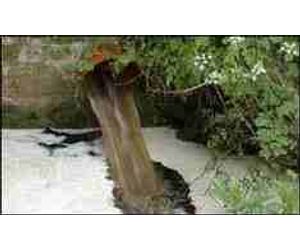
At the moment, we can provide a Vortex sewage treatment plant, which averaged 2.9mg/litre in the final effluent.
We can also provide the BioKube with Phosphate Reduction Dosing, which can bring the Phosphate level down to <1.5mg/litre.
We currently have 2 sewage treatment plants, capable of reducing Phosphates, being tested at the PIA EN Testing Centre in Aachen and these will be available soon, giving Phosphate levels of less than 1MG/L.
The easiest way of instantly reducing your levels is to choose no-phosphate detergents and cleaning products. The Aldi `Almat` range is Phosphate free.