


- Home
- Companies
- Northwest Environmental Training Center ...
- Training
- Contaminant Vapor Migration and ...
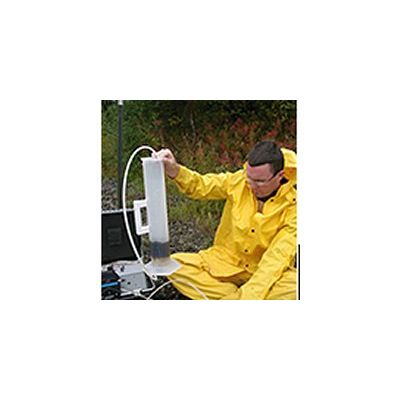
Contaminant Vapor Migration and Intrusion Course
This course provides an overview of the vapor intrusion exposure pathway including its scientific foundation, regulatory framework, and the technical aspects of investigating and remediating contaminated vapor sites. The class will cover topics such as: screening sites for potential vapor intrusion concerns, conducting field investigations, sampling techniques, data analyses, exposure point calculations, the Johnson and Ettinger predictive model, vapor intrusion risk assessment, vapor intrusion mitigation, and remediation. Participants will work through practical problems and typical site scenarios based on case studies of established vapor intrusion sites. This course provides a comprehensive introduction for those new to the field, and will also provide insights, data analysis techniques, and the latest research for more advanced participants.
Overview and Definitions
- Defining “volatile chemicals”
- Migration pathways
Vapor Migration Issues
- Human health risks
- Universal nature of pathway
- Mitigation/Remediation
- Future property development/brownfields redevelopment
Vapor Chemistry
- 3 and 4 phase chemical partitioning
- Partitioning as predicted by: Henry’s law, vapor pressure, and Raoult’s law
Vapor Physics
- Diffusion
- Fick’s law
- Advection
Hydrogeology
- Soils
- Vapor permeability
- Heterogeneities
- Porosity (total, air-filled/water-filled)
- Perched water
- Preferential vapor migration
Biodegradation
- Chlorinated VOCs
- Petroleum hydrocarbons
Building Design Issues
- Foundation types
- Space partitioning
- HVAC systems
Regulatory Framework:
- ITRC guidance
- DTSC guidance & CHHSLs
- RWQCB ESLs
Vapor Intrusion Investigations
- Sampling techniques for groundwater, soil, subslab, and indoor air
- Depth discrete
- Temporary vs. permanent monitoring points
- Analytical methods
- Spatial temporal variability
- Limitations
- Correlation to indoor levels
Data Analysis and Interpretation
- 90/95% UCLs
- Using means
- Partitioned buildings
- Separation of ventilation systems
Johnson and Ettinger Model
- Types
- Data needs
- Parameter sensitivities
- Accuracy
- Value
- Problems and limitations
- Guidance
Case Studies
- Vapor Mitigation Systems and Engineered Controls
- Modified HVAC systems
- Air treatment
- Sub-slab depressurization (types, performance/reliability)
- Vapor barriers (types, specifications)
- Combination systems
Vapor Remediation
- Source-zone treatment
- SVE systems
- Dual-phase
- Demonstrating compliance
- Off-gas treatment
Institutional Controls
- Government controls
- Propietary controls
- Enforcement tools with IC components
- Informational devices
- Monitoring of ICs
New Developments in Vapor Intrusion
- Future of Johnson and Ettinger model
- EPA databases
- Correlation levels
- Empirical vs. theoretical results
- HVOCs vs. petroleum
- EPA guidance and use of generic attenuation factors
- Other vapor guidance