
- Home
- Articles
- health safety
- food safety
Refine by
Health Safety Articles & Analysis
435 articles found
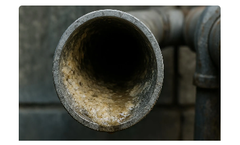
Biofilm is increasingly recognized as one of the most persistent and costly operational challenges across industrial water systems, wastewater infrastructure, agriculture, cooling towers, and food processing environments.Unlike loose contamination, biofilm forms structured microbial communities that attach directly to surfaces within pipelines, tanks, drains, irrigation systems, and processing ...

Setting up or upgrading a wheat flour mill plant is a strategic decision that impacts product quality, energy efficiency, and long-term profitability. Whether you run a small-scale wheat flour plant or a large industrial wheat milling plant, understanding the latest technologies can help you stay competitive.From Grain to Fine Flour A modern wheat flour factory does more than just grind grains. ...

Industrial wastewater facility upgrade, higher capacity, and easier maintenance with EDI Fixed Grid aeration system. Project Information Project Type: Industrial wastewater treatment Completion Date:January 2023 Treatment Objectives: Design flow: 1 MGD Treatment requirements: BOD and Nutrient Removal ...
Many powders and bulk solids are known to sit erratically in storage. Sometimes they flow freely. Sometimes, not. When slide gates are supposed to be closed, but aren't, loose material falls and becomes waste. Feeders and conveyors should deliver bulk materials into a process—but how do you know for sure if it was ...
Fast-paced work environments are driving the need for accurate, real-time data. Sensor manufacturers and software developers have been working rigorously to create new and innovative solutions. Is your operation seeking ways to more efficiently monitor inventory? Check out these popular trends. ...

Keywords: Use Microwave Digestion System For Metals Analysis, Importance Of Using Microwave Analysis,Importance Of Microwave Digestion For Metals Analysis, High Precision Microwave Digestion Systems For Metal Analysis Metash will share why it is important to use high precision microwave digestion systems for metal analysis. Why Use Microwave Digestion System for Metals Analysis? Metals ...
Listeria and Pseudomonas represent two of the most significant microbial threats to food safety and process integrity. Listeria is notoriously resilient, surviving in cold, moist environments and hiding within industrial machinery, while Pseudomonas is a master of biofilm formation, creating protective layers in piping systems that resist standard cleaning. When these bacteria establish ...
The recent recall of popular beverage brands due to excessive chlorate concentrations has placed a spotlight on the hidden risks of traditional disinfection. Chlorates are harmful byproducts that typically form during the degradation of stored chlorine-based disinfectants like sodium hypochlorite. Factors such as high storage temperatures, long shelf lives, and high chemical concentrations ...
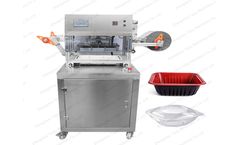
Thehigh-performance MAP packaging machine is designed to meet the diverse needs of food businesses, integrating advanced modified atmosphere preservation technology to help you extend product shelf life and improve packaging quality. As a professional MAP packaging machine supplier, we ensure our equipment boasts outstanding features: it replaces air with mixed gases (mainly nitrogen and carbon ...

In post-harvest processing, equipment reliability is never accidental. Every component plays a role in maintaining consistent performance, product quality, and food safety, especially in demanding, high-throughput environments. While replacement parts may look similar on the surface, not all parts are designed to perform the same role within a complete system. This is where the importance of ...

From food safety to power-plant performance, these were the water challenges, technologies, and solutions driving the most attention in 2025 In a year defined by tightening regulations, rising water stress, and growing pressure on industries to do more with less, certain topics emerged as priorities for operators and industries navigating these pressures. The following five articles drew the ...

How biofilm control strengthens food safety programs and supports Salmonella and E. coli risk reduction Introduction: Egg washing as a critical food safety control point Egg washing is a foundational food safety step in commercial shell egg production, designed to remove visible debris and reduce microbial contamination on eggshell surfaces prior to packaging or breaking. However, while ...

Why Dust Control Is Essential in Food Production Food manufacturing involves processes like mixing, grinding, sieving, drying, and packaging. These activities generate fine food dust that becomes airborne quickly. Without proper control, this dust affects product quality, worker safety, and hygiene standards. A Reverse-Pulsed-Jet Dust Collector is one of the most effective systems for food ...
Abstract The certification of Jenfitch's JC 9465 by the Washington State Department of Agriculture (WSDA) under the USDA National Organic Program (NOP) represents a notable development in the landscape of sanitizing agents approved for use in organic food-processing environments. As organic production expands nationally, processors face increasing limitations regarding allowable sanitation ...
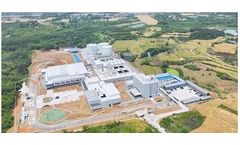
Background – The Challenge of Kitchen Waste China generates over 120 million tons of kitchen waste annually, placing significant pressure on landfills and incineration facilities. In Nanjing, kitchen waste accounts for a large proportion of municipal solid waste and is characterized by high moisture, high salt, and high organic content, making traditional treatment methods inefficient and ...

Wastewater treatment systems keep our water clean and safe. Every time you flush the toilet or drain a sink, the water travels to a treatment plant where harmful contaminants and germs are removed. Without these systems, sewage would flow into rivers or seep into groundwater, contaminating the water we use for drinking and washing. In the past, before modern sanitation, cities often suffered ...

Sanitary electromagnetic flowmeters are precision instruments designed specifically to meet the high hygienic requirements of fluid measurement. They play a vital role in the food, pharmaceutical, and chemical industries. The following is a detailed introduction to sanitary electromagnetic flowmeters and their applications in achieving sanitary fluid control, ensuring food safety, and ensuring ...
A water level sensor is a device used to detect and measure the water level in tanks, ponds, rivers, or any other water body. The working principle of a water level sensor can vary depending on the type of sensor, but here are some common methods: 1. Mechanical Water Level Sensors: Float Switches: These sensors operate by using a float that moves up and down with the water level. As the water ...

Warehouses and industrial facilities present unique challenges when it comes to managing pest birds. The scale, structure, and function of these buildings—often featuring high ceilings, open bays, storage racks, and constant activity—create ideal conditions for birds seeking shelter, food, and nesting sites. Pigeons, sparrows, starlings, and gulls are particularly problematic in these ...

In fields such as food testing, traditional Chinese medicine research and development, environmental monitoring, and materials analysis, the efficient extraction of target components from complex samples is a crucial prerequisite for subsequent qualitative and quantitative analysis. Traditional extraction methods suffer from limitations such as long processing times, large solvent consumption, ...