


- Home
- Companies
- LG Sonic B.V.
- Articles
- Can Algae Make You Sick? When Harmful ...
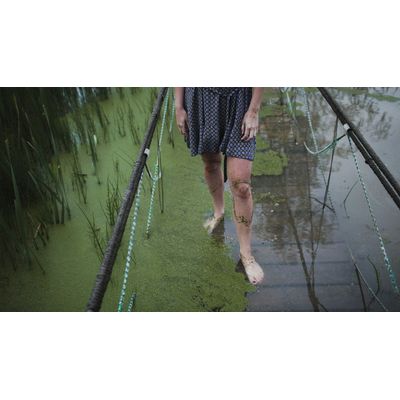
Can Algae Make You Sick? When Harmful Algal Blooms Result in Public Health Disasters
Algae, a diverse group of photosynthetic organisms, play a vital role in aquatic ecosystems, serving as the foundation of the food chain and contributing to oxygen production. However, under certain conditions, typically fueled by nutrient pollution and warm temperatures, some algae species can undergo explosive growth, forming dense colonies known as algal blooms.
While not all algal blooms are harmful, certain species produce potent toxins and other compounds that pose significant risks to human and animal health. The impact of harmful algal blooms (HABs) on human health became strikingly evident in a series of public health crises around the world.
Depending on the duration of exposure, type and concentration of toxins present, humans may experience serious health consequences. In some cases, even short-term exposure to contaminated water can lead to adverse health effects. Contact with water affected by HABs can cause skin and eye irritation, characterized by rash, redness, itching, burning sensation or swelling.
People who inhale toxins emitted into the air by algal blooms may encounter throat discomfort and breathing difficulties, often followed by coughing due to respiratory tract irritation. Nausea, vomiting or diarrhea are common acute gastrointestinal symptoms that can develop as a consequence of drinking or coming into contact with water contaminated with high concentrations of toxins. Abdominal pain, headaches, fatigue and fever frequently happen as subsequent symptoms.
While some immediate effects are visible within minutes to hours of exposure, others can result from prolonged or repeated exposure to low levels of algae toxins. Research shows that such exposure can lead to liver damage and the risk of gradually developing liver cancer. Numerous studies have also investigated the neurological impact of algal toxins on humans. Some of the commonly reported symptoms vary from muscle weakness and numbness or tingling in extremities, to seizures and even paralysis.
While individual factors, such as age, overall health, immune status and genetic predisposition greatly determine the severity of the outcome, the dangers of exposure to harmful algal blooms are not to be underestimated. They represent a pressing public health concern requiring urgent attention and intervention.
There have been several significant global incidents where large populations have been affected by HABs, leading to widespread impacts on public health and the environment. As a result, a great number of people have experienced the aforementioned health issues alongside significant instances of fish kills in the affected areas. These events have led to the issuing of public health advisories cautioning against the use of tap water for drinking or cooking, concerns about seafood safety, closing of public beaches and economic losses for coastal communities dependent on tourism and fishing.
The Rio Guandu public health crisis occurred in January 2020 in Rio de Janeiro, Brazil, when the water supply system sourced from the Guandu River was affected by algal blooms. The water became contaminated with geosmin and MIB, compounds produced by algae, causing an unpleasant taste and odor. Residents reported issues such as gastrointestinal problems, skin irritation, and respiratory discomfort after consuming or coming into contact with the contaminated water. Additionally, there were fears about the potential long-term health effects of exposure to these contaminants.
This crisis directly affected more than 9 million residents of Rio de Janeiro who were supplied from the Rio Guandu drinking water reservoir. The event has prompted authorities to take urgent measures to address the situation and improve water treatment processes to safeguard public health, which has led to LG Sonic’s intervention.
A similar scenario played out in Santo Domingo, Dominican Republic. The country’s most important drinking water source, the Valdesia reservoir which supplies drinking water to over 4 million people, has been plagued by cyanobacteria blooms for years, causing the water to turn green and emit foul odors, posing health risks. To tackle this problem, the Santo Domingo Aqueduct and Sewer Corporation (CAASD) sought environmentally friendly solutions for the reservoir’s treatment, ultimately opting for the installation of LG Sonic technology to restore the ecosystem without the drawbacks of chemical treatments.
Due to the hazards posed by harmful algal blooms, numerous recreational water bodies worldwide have been forced to close over time, disrupting leisure activities and impacting local economies. LG Sonic intervenes in these cases as well. One of our success stories includes MPC-Buoy implementation in Lake Cross, Ireland, a water treatment plant and touristic hotspot which was largely affected by algal blooms. LG Sonic’s treatment has also shown remarkable results in a Dutch recreational lake, Noord Aa, where a 90% reduction in summertime phycocyanin concentrations (a pigment found in blue-green algae) was recorded.
Government officials and the general public around the world have recognized LG Sonic as a leading expert in water management. As a result, our ultrasonic algae control devices have been installed in 60+ countries, in a wide range of environments, including lakes, drinking water reservoirs and recreational water bodies. Our award-winning, solar-powered, environmentally friendly technology precisely targets algal blooms and eliminates the need for chemical treatment, thereby protecting water quality, ecosystems and public health. LG Sonic’s ongoing efforts are dedicated to enhancing the quality of life for millions across the globe.