


LG Sonic B.V. articles

Triple A S.A. E.S.P., the utility supplying drinking water to approximately 15 municipalities in the Barranquilla region, has installed two MPC-Buoys at the Dársena Río Magdalena, a river intake on the Magdalena River, to address algae at the source before treatment.
Context: Algae risk at river intakes
The Magdalena River is Colombia's primary freshwater source for Barranquilla and surrounding communities. Raw water is collected in the semi enclosed basin of the Dársena Río
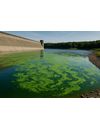
Water utilities in 2026 face accelerating operational pressures driven by climate volatility, regulatory tightening, and aging freshwater infrastructure. Seasonal planning and reactive treatment are no longer sufficient; utilities managing reservoirs and large surface water systems must confront risks that have built up over years. A unified, proactive approach is required to preserve drinking water quality amid evolving stressors.
1. Harmful Algal Blooms Expanding Beyond Summer
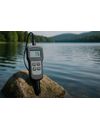
pH is a principal indicator of changing water chemistry in lakes and reservoirs. The pH scale ranges from 0 to 14, with values below 7 indicating acidity and values above 7 indicating alkalinity. A stable pH reading does not always reflect stable chemistry in surface waters, where inflows, sunlight, temperature, and biological activity drive rapid changes. During productive periods, shifts can occur within hours, and a single weekly measurement may miss critical trends. Operators and research
Introduction
A bloom doesn’t always arrive with a neat, predictable timeline. One week the water looks normal, the next you get green streaks along the downwind shore, then the surface turns into a patchwork. If that shift continues on to become large scale algal blooms, it’s no longer just a cosmetic issue, it’s an operational issue that requires careful management. For operators, large scale algal blooms demand a different level of monitoring, plan

Introduction
When a lake or reservoir turns bright green, the issue is rarely “just algae.” Blooms can signal a shift in water quality that affects aquatic life, recreation, and the reliability of a community’s water supply. This guide explains the basics of freshwater blooms and the practical steps used to stop water contamination before impacts reach drinking water.
Introduction
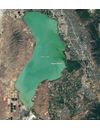
When people talk about water quality, they often focus on clarity or colour, but lake nutrients quietly shape almost everything that happens below the surface. A modest increase in nutrient loading can be the difference between a clear, oxygen-rich reservoir and one that drifts into chronic eutrophication with recurring algal blooms.
For drinking water managers, understanding lake nutrients is not just an academic exercise. It is directly connecte

Introduction
Across drinking water reservoirs and managed lakes, operators keep coming back to the same question: what is the best practice to prevent algae growth while still protecting ecosystems, budgets and public trust? Blooms can seem to appear almost overnight, turning clear water into green streaks or scums, releasing toxins, and in the worst cases forcing closure of raw-water intakes or popular recreation areas.
Algae are a normal part of freshwater f

Running a lake or reservoir without good data can feel a bit like driving at night with the headlights dimmed. A water quality monitoring system gives operators a clearer view by turning occasional samples into a continuous story about the water. With online water quality monitoring in place, teams no longer wait for weekly laboratory results; they can watch how temperature, algae and dissolved oxygen move through the day and spot the first signs of trouble before complaints arrive.
I

Introduction
Water and pH sit at the heart of water quality decisions because when potential of hydrogen changes, metals dissolve, pipes corrode, and this is how ecosystems behave. Even when water looks clear, the pH levels can drift with weather, geology, and biological activity. This guide explains what are the optimal levels of safe drinking water parameters, why it matters, and how to interpret “good” or “safe” ranges without over-sim

Introduction
When operators and lake managers type “what dissolves algae” into a search bar, they are really asking how to protect water quality. Green surface scums and dense blooms reduce recreation, clog treatment plants, and sometimes release toxins that threaten people and animals. It is not only an aesthetics problem. It is a public health and operations challenge, especially when drinking water reservoirs are involved.