

- Home
- Companies
- ABM Sensor Technology
- Articles
- Case study: Remote Water Tank ...
Case study: Remote Water Tank Monitoring with Cellular Level Sensors
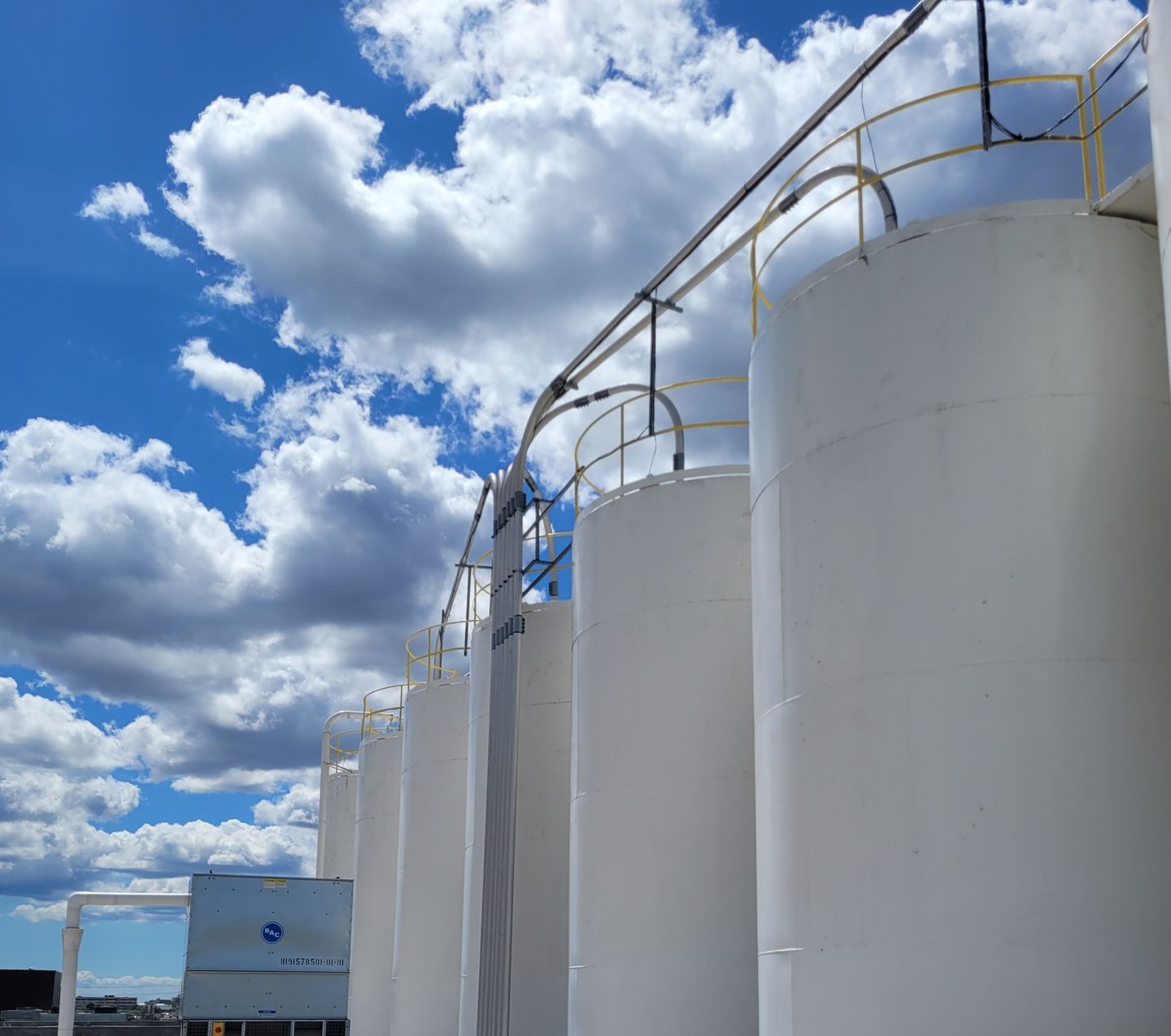
A municipality operating multiple elevated and remote water storage tanks faced inefficiencies in monitoring water levels. Tank level was monitored by physically traveling to each site, climbing tanks to visually inspect levels, and manually logging data. This process was time and labor intensive, posed safety hazards, and resulted in substantial costs. The municipality needed a more efficient, safer, and scalable solution—particularly to respond effectively during emergencies or sudden demand spikes.
Solution
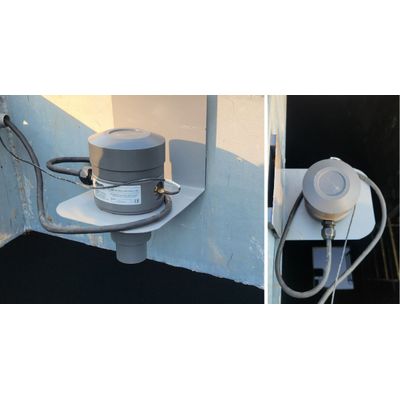
The municipality installed non-contact ultrasonic level sensors with built-in cellular connectivity from ABM. Mounted on the roof of each tank, the sensors continuously transmit real-time water level data to a secure, web-based dashboard, accessible from any computer or mobile device.
Key Benefits:
- Easy Setup: No communication wiring required. Sensors automatically connect to the server and are remotely configured, minimizing installation time and complexity
- Maintenance-Free Operation: The non-contact design eliminates mechanical wear, while a self-cleaning ultrasonic transducer prevents condensation and build-up
- Flexible Power Options: Operates on continuous power or battery power with solar-compatibility, ideal for off-grid locations
- Scalable Infrastructure: Suitable for tanks, sumps, manholes, and storm water ports, supporting future network expansions
Results
After several months of operation, the municipality experienced measurable improvements:
- Elimination of Manual Readings: Staff now access real-time tank levels remotely, significantly reducing on-site visits
- Improved Staff Safety: Technicians no longer need to climb tanks, reducing fall risks and exposure to hazardous weather
- Lower Operational Costs: Reduced fuel usage and labor hours enabled the system to pay for itself within just a few months
- Real-Time Alerts: Custom alarms with automatic email notifications flag abnormal level changes, allowing for fast, proactive responses
- Planning & Reporting: Historical data is stored on the server, supporting trend analysis, anomaly detection, and reporting for internal use
Conclusion
The use of ABM’s cellular-connected ultrasonic level sensors has modernized the way the municipality manages its water infrastructure. The system provides a safer, more efficient, and scalable alternative to manual monitoring, freeing up staff to focus on higher-priority tasks while ensuring reliable, real-time oversight of critical water resources.