


- Home
- Companies
- Hiden Analytical Ltd.
- Articles
- DMS Characterisation using Hiden ...
DMS Characterisation using Hiden Analytical’s MIMS Technology
The role of Membrane Inlet Mass Spectrometry (MIMS) in the analysis of Dimethyl Sulfide (DMS) across oceanic and agricultural domains.
Introduction
Dimethyl Sulfide (DMS) is a significant volatile organic compound with critical roles in global climatic processes and soil-plant interactions. The utilisation of Membrane Inlet Mass Spectrometry (MIMS) offered by Hiden Analytical instruments, notably the HPR-40 DSA and the portable pQA, allows for real-time DMS quantification.
Membrane Inlet Mass Spectrometry operates through a semi-permeable membrane that selectively allows gases or dissolved species to pervaporated into the inlet of the mass spectrometer and subsequently undergo mass analysis.
This process ensures:
- Minimized sample contamination.
- Real-time molecular diffusion and data acquisition.
- Enhanced sensitivity for selected compounds due to membrane enrichment for selected gas species.
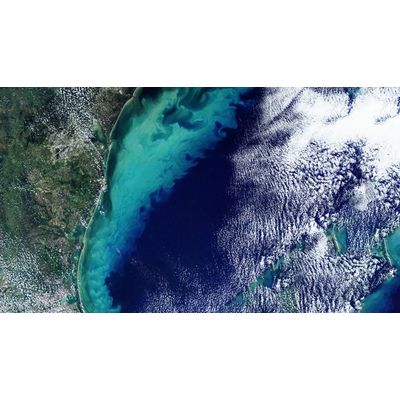
DMS plays a pivotal role in the ocean-atmosphere sulphur cycle. Its derivation from marine phytoplankton has been linked to cloud nucleation processes.
MIMS in Marine Studies:
- Depth Profiling: The HPR-40 DSA facilitates depth-specific DMS concentration mapping.
- Temporal Analysis: Continuous monitoring allows for tracking biogeochemical shifts.
- Quantification: Membrane enrichment allows quantification to PPT levels for DMS species
DMS’s presence in agricultural settings offers insights into soil microbial ecosystems and phytogenic interactions.
Portable MIMS Analysis: The pQA from Hiden Analytical provides in-situ DMS quantification.
- Direct analysis of soil gas exchanges.
- In-field tracking of plant metabolic responses.
The scientific community’s interest in DMS dynamics necessitates accurate and efficient tools. Hiden Analytical’s MIMS technology, encompassing the HPR-40 DSA and pQA, has emerged as a robust solution for DMS research across diverse environments.