

- Home
- Companies
- ABM Sensor Technology
- Articles
- Factors to Consider when Selecting a ...
Factors to Consider when Selecting a Level Sensor
What is a level sensor?
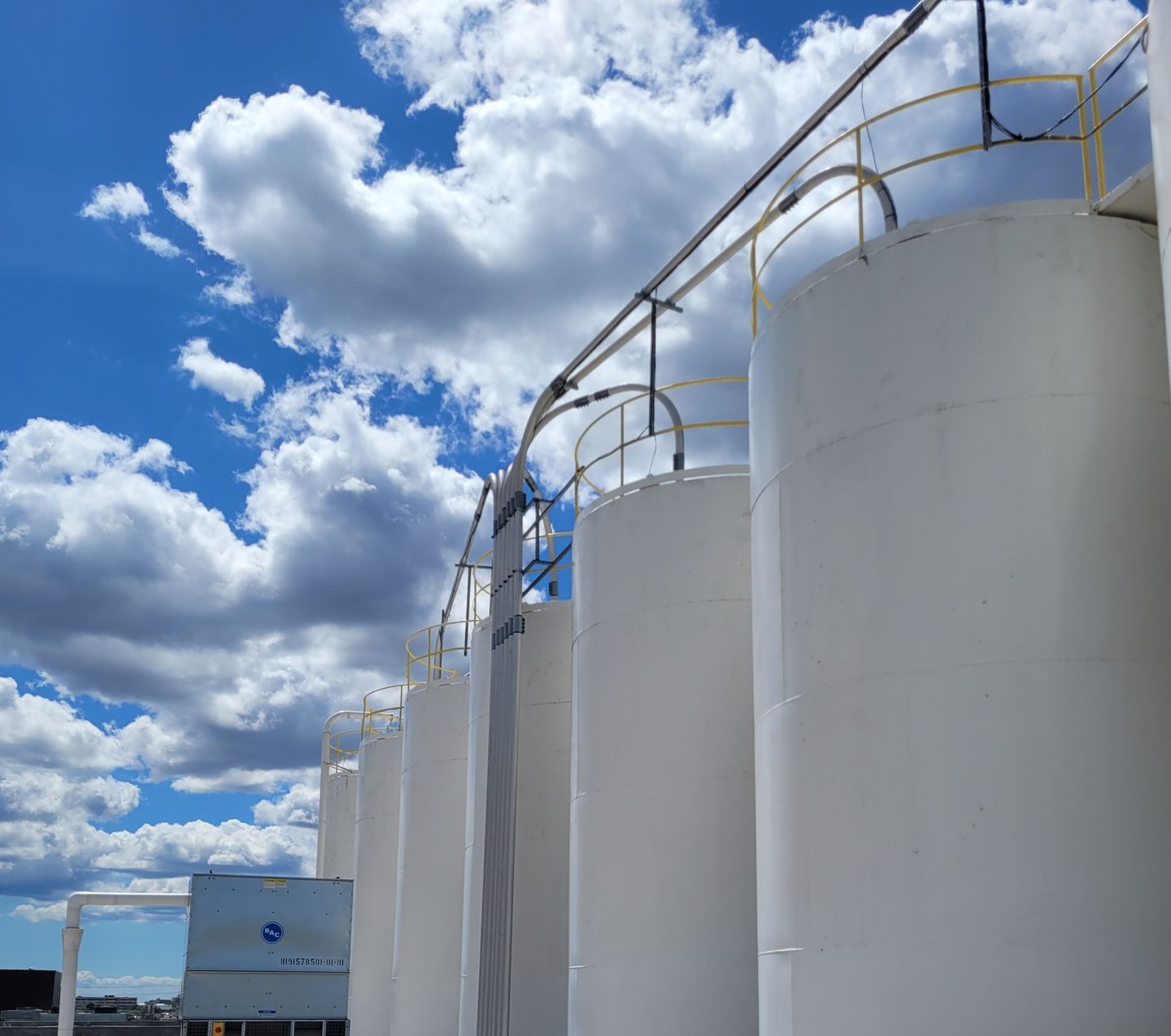
A level sensor is a device used to measure the level or height of liquids and solid materials in various environments. They are most commonly used for tanks, silos and reservoirs to track media levels, provide real-time feedback or trigger alarms when the media level exceeds thresholds (i.e. full tank or empty tank).
Why are level sensors important?
Level sensors are important for various industries as they help to control processes, improve operational efficiency, and ensure safety. Benefits include:
- Process control and efficiency: Level sensors help to automate processes by ensuring substances are maintained at specific levels, improving the quality and efficiency of production processes.
- Inventory management: Material depletion can be a serious issue for production processes. Level sensors continuously monitor inventory in bins, silos or tanks to ensure a consistent supply of material, avoiding costly shutdowns or stoppages.
- Safety: Level sensors play a critical role in health and safety by continuously monitoring substance levels and alarming to prevent hazardous situations such as overflows, spills, or underflows, which can lead to equipment damage.
- Environmental protection: Level sensors continuously monitor and track the water level in rivers, lakes, oceans, or sewer systems, collecting data over time and providing alarms to protect against flooding or overflows.
Factors to Consider When Selecting a Level Sensor
As we have discovered, level sensors have practical applications across various industries. Several factors should be considered when selecting a sensor for your application.
Below, we have compiled six key factors to assess. Understanding and considering these aspects will help to ensure you select a sensor that performs optimally and reliably for your application.
1. Media Type and Properties
- Type: Are you measuring a liquid, slurry or solid? The media state will narrow your sensor options.
- Properties: If available, note of the media properties, such as the dielectric constant, density, or viscosity for liquids. If you are measuring solid materials, note the size and shape of the material (e.g. granular, pellet, or powder).
2. Vessel Design and Measurement Range
- Range and accuracy: Consider the height of the vessel you are monitoring to determine the maximum range required. If the material comes close to the top of the vessel, consider the minimum distance required. What accuracy is needed for the application?
- Vessel shape and properties: Consider the shape of the vessel. Does it have a flat, round or cone bottom? Is the top open or closed? Is the roof flat or domed? What type of material are the walls made of?
3. Process and Environment Conditions
- Process conditions: Consider the conditions that may accompany measured media, such as condensation, steam, vapours, gases, or surface foam for liquids. For solid materials, consider dust and surface changes expected as the silo empties and fills.
- Environment: Will the sensor be installed indoors or outdoors? Consider the enclosure rating required to withstand the environment (e.g. dust and water tight for wind, rain, snow or ice).
- Temperature: Consider both the process and environment temperatures. Is your process high temperature?
- Pressure: Consider the pressure range of your process. High-pressure or vacuum environments may require specialized sensors.
- Chemical compatibility: Are there chemicals in your process (e.g. corrosive liquids, vapours, or gases)? Select sensor materials resistant to the chemicals they will be exposed to.
- Approvals: Is your application in a hazardous environment? Select a sensor with the proper certifications or approval (e.g. CID1 for explosive atmospheres).
4. Mounting and Installation
- Space constraints: Consider the physical space available for sensor installation.
- Placement: Where will the sensor be installed (e.g. top-mounted, side-mounted, or immersed)? Are there any obstacles or obstructions that might interfere with its ability to measure?
- Mounting: Consider how the sensor will be mounted (e.g. NPT thread, flange, swivel aimer, bracket, or tri-clamp). Is there an existing process connection, or will a new connection be installed?
5. Output Signals and Power
- Communication protocol and signal type: Take note of the inputs required for compatibility with your existing system. Many sensors offer display options if needed, and different output signal options, including:
- Analog (4-20 mA)
- Digital communication (RS232, RS485, Modbus RTU, HART)
- Relay output
- Wireless communication (e.g. cellular modem)
- Power requirements: What power supply is available (DC or AC)? Battery power or solar power sensors are available for sites without power.
6. Cost and Maintenance
- Initial cost: Consider both upfront costs and long-term investment.
- Maintenance: What resources are available to maintain the sensor? Ensure the routine maintenance or calibration requirements match your site’s resources.
Now that you have a good understanding of your level measurement application, you have all the information at hand to submit to a manufacturer or to aid with your research.
Have questions or need support selecting a level sensor? Contact ABM here.