

- Home
- Companies
- ABM Sensor Technology
- Articles
- Monitoring Wave Profiles with Radar ...
Monitoring Wave Profiles with Radar Level Sensors
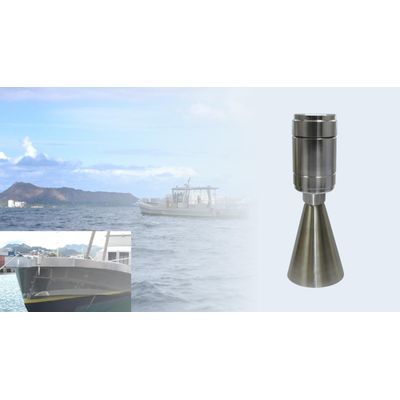
Radar level sensors are helpful for measuring wave profiles surrounding marine vessels, providing essential data for optimizing trim and improving the fuel efficiency of boats and ships. By continuously monitoring and analyzing wave patterns, radar sensors can aid with real-time adjustments that reduce hull resistance, conserve fuel, and ensure smoother and safer maritime operations.
How does a radar sensor work?
A radar level sensor is mounted on the vessel exterior, aiming at the water. It emits microwave pulses that reflect off the water surface and return to the sensor. By measuring the time taken for the pulses to travel to the water and back (time-of-flight), the sensor calculates the distance using the speed of light. This data is processed to profile wave characteristics such as height, frequency, and direction. Rapid processing (multiple updates per second) is crucial due to the rapidly changing wave conditions.
Why radar technology?
Radar sensors are ideal for marine applications due to their robustness and reliability in harsh environments. Radar microwave pulses are not influenced by wind, rain, fog or extreme temperatures, offering highly accurate real-time measurements of wave conditions. In addition, non-contact through air measurements eliminates wear and tear, enabling maintenance-free operation.
Application Benefits
Optimal Trimming
- Understanding Wave Patterns: By analyzing the wave profile, operators can adjust the ship's trim (the vessel's angle in the water) to optimize performance. Proper trimming reduces resistance against the hull, improving fuel efficiency.
- Balancing the Vessel: Adjustments to ballast tanks or cargo distribution based on wave conditions help maintain an even keel, reducing drag and enhancing stability.
Fuel Efficiency
- Speed Optimization: Wave profile data allows for adjusting the ship's speed to ride waves more efficiently, reducing fuel consumption.
- Hull Resistance Management: By understanding the wave impact on the hull, operators can make real-time adjustments to minimize resistance, including modifying the ship's speed and heading to align with wave patterns.
ABM Marine Radars
ABM's fast-response radar level sensors are ideal for marine applications. The robust IP68, corrosion-resistant sensor enclosure is made of stainless steel to withstand harsh seawater conditions. An optional SS316L horn antenna is available for long-range applications to focus the beam. The sensor's self-adjusting design eliminates false echoes from the ship's construction.
With fast protocol enabled, the sensor gets up to 30 updates per second, providing accurate profiling of waves. The radar sensor is installed at strategic locations on the vessel, such as the bow and stern, to capture comprehensive wave profile data. The sensor data can be integrated with the ship's navigational and operational systems, including the trim control and autopilot systems.
Watch radar sensor monitoring wave profiles on a boat >
For more information about our non-contact radar level sensors with fast response, visit abmsensor.com