


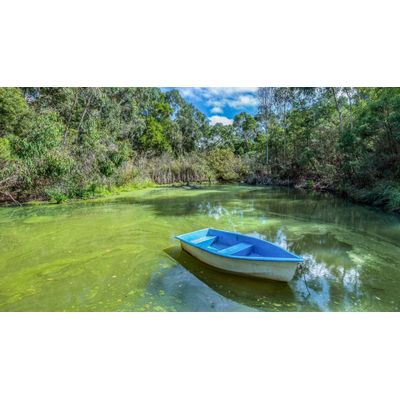
What Dissolves Algae? Everything You Need to Know
Introduction
When operators and lake managers type “what dissolves algae” into a search bar, they are really asking how to protect water quality. Green surface scums and dense blooms reduce recreation, clog treatment plants, and sometimes release toxins that threaten people and animals. It is not only an aesthetics problem. It is a public health and operations challenge, especially when drinking water reservoirs are involved.

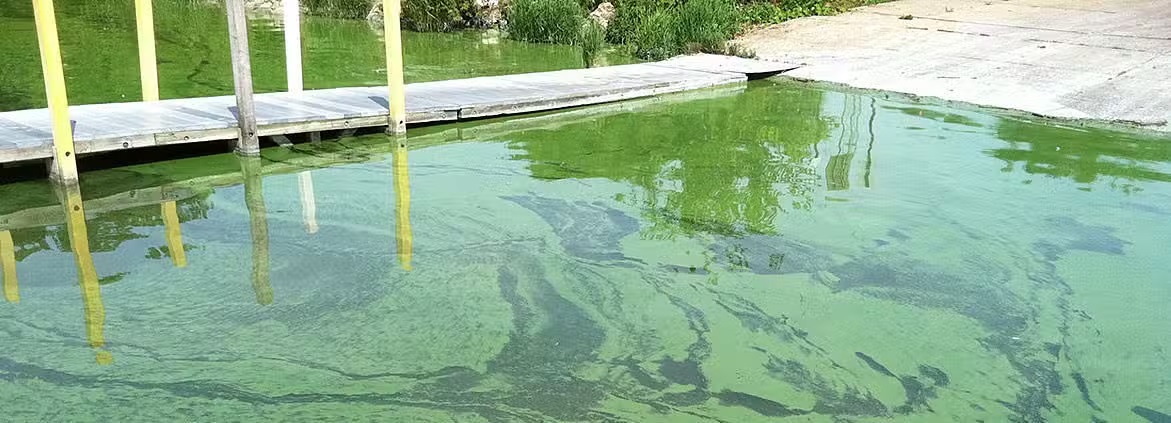
Green surface scum from a cyanobacterial bloom on a lake. Credit: NOAA Harmful Algal Blooms overview
Instead of asking only what dissolves algae, utilities are better off asking how to clean green algae in a way that limits toxin release, protects downstream filters, and avoids oxygen crashes. That means thinking about nutrients, water circulation, and the vertical position of cells. The buoyancy of algae, especially gas vesicle forming cyanobacteria, becomes a central control point rather than a side note in the process.
Common questions operators ask include:
- What is the best way to get rid of algae without triggering a toxin spike at the intake?
- How to remove green algae when the bloom is already dense and weather is warm?
- How to dissolve algae in a way that does not damage downstream treatment assets?
Short term programs often start with a narrow focus on how to dissolve algae that is already visible. Chemical oxidants, copper based products, or strong mixing can all damage algal cells. For a few days the water may look clearer, which gives the impression that this is the best way to get rid of algae in every situation. However, this can result in the release of harmful compounds from the ruptured algal cells into the dissolved phase. So a simple recipe for how to remove green algae by killing cells can actually shift risk rather than remove it.
Another drawback is that many how to clean green algae quick fixes ignore nutrients. If nutrient loads remain high, new blooms form soon after the old one is knocked back. That cycle forces plants to repeat short term actions again and again, which is costly and frustrating. Over time, operators start to look for approaches that change conditions for algae, not just their numbers on a given day.
Many harmful cyanobacteria regulate where they sit in the water column by adjusting gas vesicles. This buoyancy of algae lets cells rise toward the surface in the morning to capture light, then sink slightly later in the day. When conditions are stable, this vertical movement allows blooms to form dense surface layers that are hard to mix away.
If you can control the buoyancy of algae, you can prevent that daily migration pattern that concentrates cells at the surface. That is where ultrasonic control comes in. By creating a specific sound field in the upper layer of a reservoir, ultrasonic control interferes with the gas vesicles that support the buoyancy of algae and encourages cells to stay deeper, where there is less light.
This is different from a how to dissolve algae approach. Instead of bursting cells outright, ultrasonic control works more like a physical exclusion tool. Cells remain intact, so the risk of sudden toxin release is lower, but their growth rate drops because they cannot reach the bright surface as easily. For operators, it feels more like guiding the system back toward balance than fighting an endless series of emergency battles.
Buoy with solar powered monitoring equipment on a drinking water reservoir
Drinking water reservoirs
Industrial ponds and cooling basins face different constraints, because process reliability is often as important as ecological outcomes. Operators still ask how to clean green algae from surfaces and channels, but they also worry about fouling, corrosion, and worker safety. Here too, ultrasonic control and circulation improvements can reduce growth so that less manual cleaning is needed.
Urban lakes and recreational waters
Urban lakes and recreational waters are where the general public sees blooms most clearly.
Across these settings, a few practices stand out:
- Track bloom risk with monitoring data so that you can act before a dense scum forms.
- Treat nutrients at the source, including runoff management and internal load reduction where feasible.
- Use ultrasonic control and mixing to limit the buoyancy of algae advantage at the surface instead of relying only on single event kill strategies.
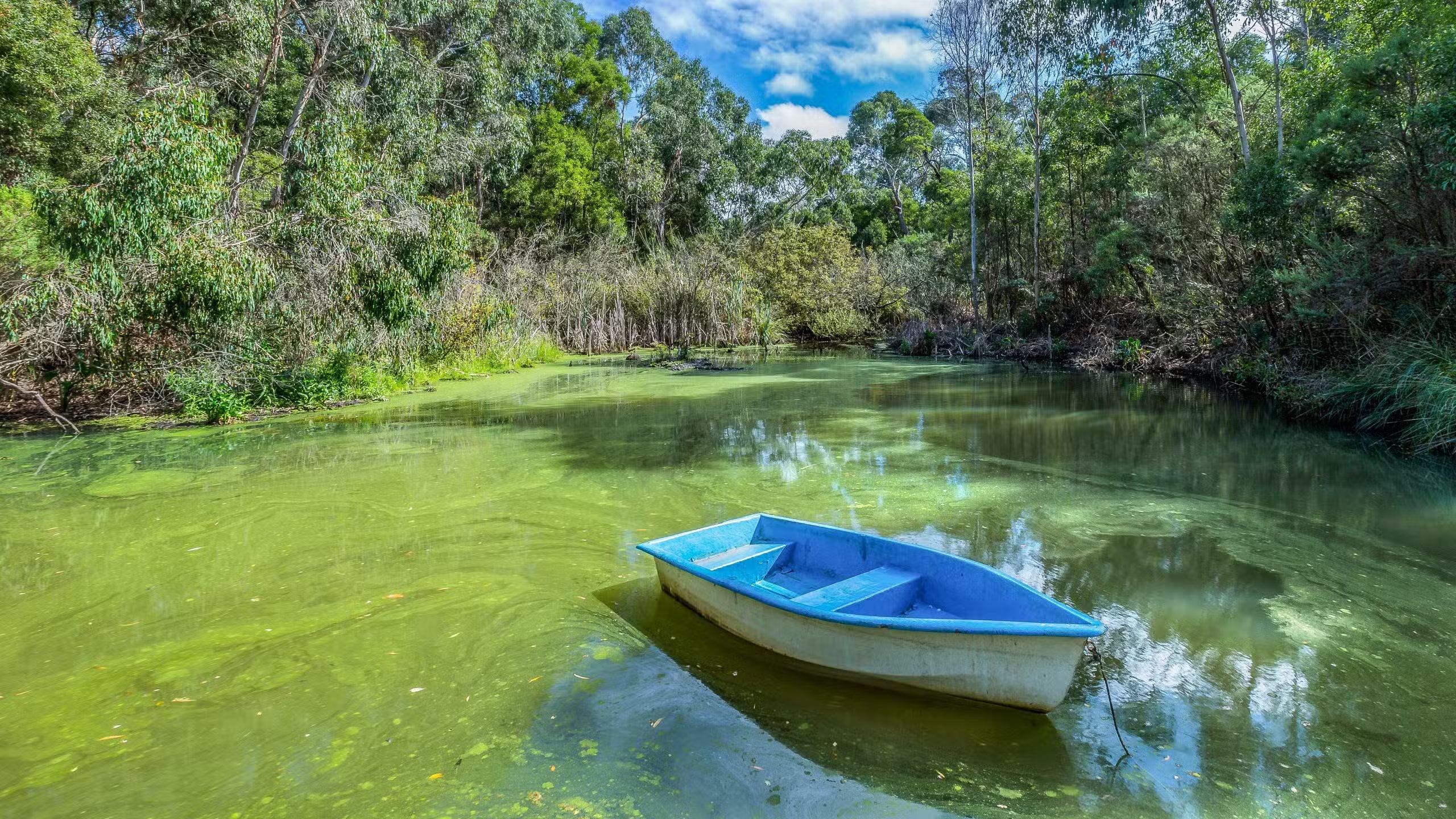
Harmful algal bloom seen in a lake. Credit: CDC harmful algal blooms and your health
When managers evaluate the best way to get rid of algae over whole seasons, they increasingly look at preventative tools. Ultrasonic control targets the buoyancy of algae rather than their chemistry, which fits well with modern risk based guidance. Systems that combine ultrasonic control with real time sensors can adapt intensity and frequency to changing bloom conditions.
Field experience shows that this combination can shorten bloom seasons, reduce the number of days with surface scums, and lower the load on downstream treatment. Instead of repeatedly asking how to dissolve algae that has already covered the intake, operators keep the surface clearer so that conventional treatment works in a more stable range. In some cases, filter runtimes and coagulant doses improve as well, which makes the overall program more sustainable.
From a communication point of view, explaining that you are adjusting the buoyancy of algae and using ultrasonic control to keep blooms in check often resonates better with communities than describing repeated chemical treatments. The story shifts from fighting algae to restoring balance in the reservoir. That is a subtle difference, but it matters for long term support and trust.
Does what dissolves algae also remove toxins?
Not necessarily. Many processes that people consider when they ask what dissolves algae, such as strong oxidation, damage cells and can release intracellular toxins into the water. Guidance from the World Health Organization on toxic cyanobacteria and national agencies like EPA explains that toxin management needs careful monitoring and multiple barriers, not just a single focus on how to dissolve algae fast.
How should I think about how to clean green algae on shorelines?
Shoreline accumulations can be unsightly and sometimes smelly. For small areas, manual removal and disposal following local regulations is usually better than applying chemicals right at the edge. Always follow public health advice from agencies such as the CDC on when to keep people and pets away, and remember that controlling the buoyancy of algae out in the reservoir will reduce how much material reaches the shore in the first place.