


- Home
- Companies
- BBJ Group, LLC
- Services
BBJ Group, LLC services
Remediation and Site Restoration
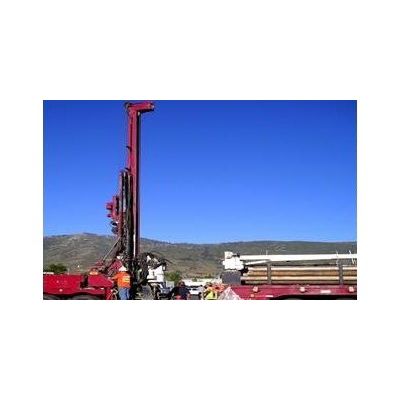
Site Investigation Services
A site investigation is a detailed study of the physical and chemical characteristics of a property. Site investigations allow clients to gain insight into potential environmental impairments that could affect property use or value. This information is more valuable than reviews of literature concerning the property’s “street-level” financial or real estate value. Site investigation data provide the information needed to evaluate the cost to correct environmental impairments or cure environmental liabilities, including pollution cleanup. By completing site investigations, potential real estate purchasers and sellers are able to ascertain the environmental quality and “as-is” value of property.
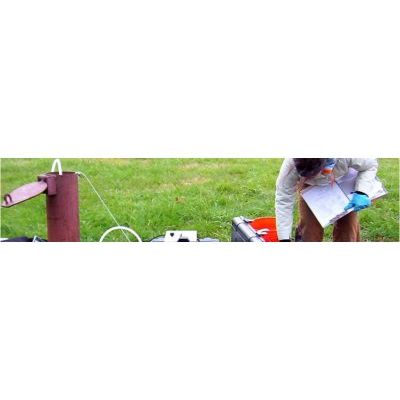
Risk Assessments Services
Risk assessment is used to determine if a particular chemical poses a significant risk to human health and, if so, under what circumstances. Could exposure to a specific chemical cause significant health problems? At what doses and exposures does an individual chemical become dangerous or even toxic? How serious could the health risks be? What activities might put people at increased risk? If it were possible to prevent all human exposure to all hazardous chemicals, there would be no need for risk assessment. BBJ Group’s risk assessment services allow clients to navigate risks posed by chemicals present in a cost-effective manner that adequately addresses public health concerns.
Real Estate and Transaction Support
Brownfield Redevelopment Services
The expansion, redevelopment, or reuse of most brownfield properties is complicated by the possible presence of pollutants in soil or groundwater. Certain building materials, such as asbestos and lead, pose additional challenges because they must be managed as hazardous waste during and after demolition. The United States Environmental Protection Agency (USEPA) estimates that there are more than 450,000 brownfields in the US. Cleaning up and redeveloping these properties creates many societal and environmental benefits: (1) increasing local tax bases, (2) adding jobs, (3) increasing nearby property values, (4) reducing pressures to develop open land, and (5) improving and protecting the environment. Early in its Brownfields Program USEPA sponsored hundreds of two-year brownfields “pilot” projects by providing small amounts of seed money to local governments. Brownfield grants continue to serve as the foundation of USEPA’s Brownfields Program.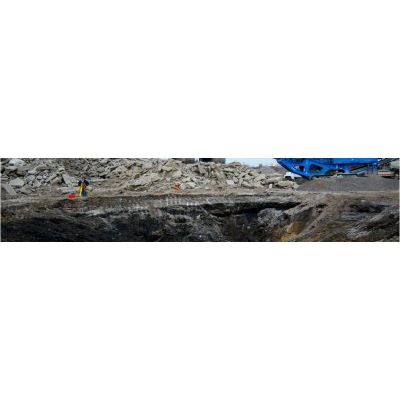
Superfund Cleanup Services
In 1980, Congress passed the Comprehensive Environmental Response, Compensation and Liability Act (CERCLA), better known as the Federal Superfund Act or simply Superfund. This law gave the federal government the authority to respond to chemical emergencies and to clean up uncontrolled or abandoned hazardous waste sites. The Superfund program addresses both short and long term pollution risks, from threatened releases to past toxic chemical spills to the permanent cleanup and rehabilitation of abandoned hazardous waste sites. Superfund also empowers federal authorities to prosecute those responsible for the releases of hazardous waste. The United States Environmental Protection Agency (USEPA) sets up and manages a trust fund to subsidize cleanup when no responsible party can be identified, as allowed by additional authorities.
Regulatory Compliance Practice
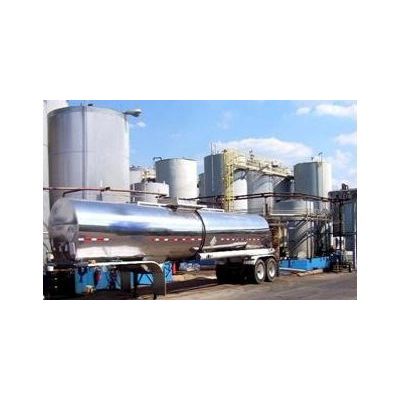
Compliance Audit
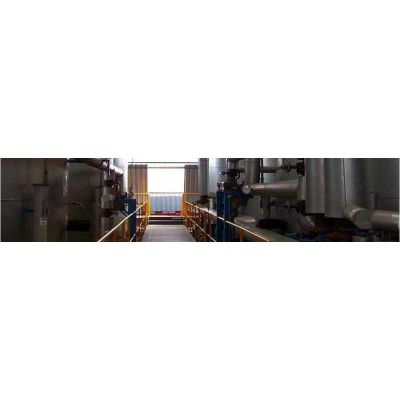
A compliance audit is an in-depth assessment of a facility’s environmental regulatory status. BBJ Group has provided regulatory compliance audit services to clients operating in a broad variety of sectors, including manufacturing, chemical production, transportation, and waste management. BBJ Group’s experienced, competent, and professional staff has the knowledge and expertise to proficiently evaluate the environmental compliance status of complex business operations.
Compliance Plans Services
Environmental, health, and safety regulatory compliance is an essential part of effectively operating a business. Non-compliance can be costly and result in legal and financial liability, negative media exposure, and fines imposed by regulatory agencies. Once non-compliant issues have been identified, it is imperative to correct them quickly at low cost. In addition, underlying causes should be addressed by improving practices or policies. These practices and policies can be memorialized in the form of compliance plans, which are required by many regulations. BBJ Group has worked with more than 500 commercial and industrial clients. As a result, BBJ Group’s experienced and knowledgeable staff is able to prepare compliance plans for a broad variety of sectors, including manufacturing, chemical production, transportation, and waste management.
Risk and Liability Management
Liability Valuation Services
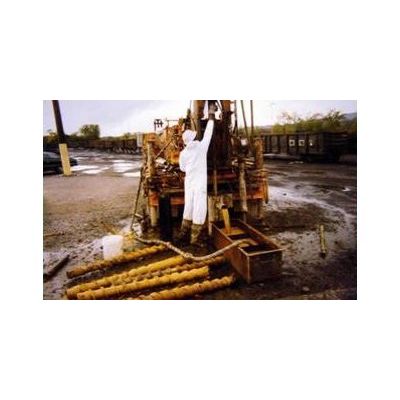
Current and prospective owners of polluted real property are challenged to quantify the cost to cure liabilities to the point of compliance. Decision makers need this information to identify and select the best strategy in terms of several metrics: (1) expected value, (2) return on investment, and (3) benefit. When strategy involves impaired property transactions, this information is critical to establishing and negotiating fair deal terms. It is also essential for establishing the terms for fair settlement of disputes, insurance claims, discharger allocations, and related actions.
Innovative Liability Management Services
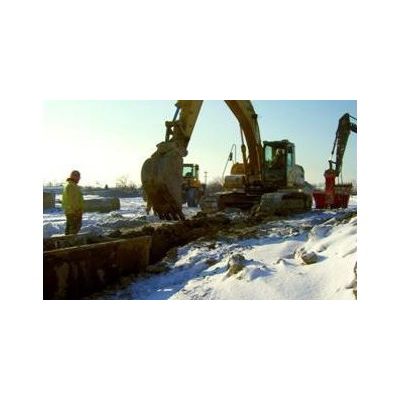
Difficult situations require creative solutions and, if managed properly, can result in cost savings. BBJ Group’s Innovative Environmental Liability Management (ILM) solutions help clients identify, evaluate, and implement creative strategies to mitigate pollution-related environmental liabilities. The approach emphasizes four elements: (1) the design and negotiated acceptance of cleanup and closure strategies that include site-specific cleanup objectives that limit liability, (2) early case resolution and other settlement strategies, (3) prospective purchaser agreements that avoid liability, and (4) land reuse that minimizes liability impact on asset value.