


- Home
- Companies
- BBJ Group, LLC
- Services
- Risk Assessments Services
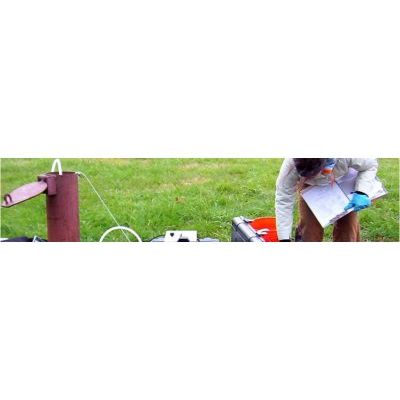
Risk Assessments Services
Risk assessment is used to determine if a particular chemical poses a significant risk to human health and, if so, under what circumstances. Could exposure to a specific chemical cause significant health problems? At what doses and exposures does an individual chemical become dangerous or even toxic? How serious could the health risks be? What activities might put people at increased risk? If it were possible to prevent all human exposure to all hazardous chemicals, there would be no need for risk assessment. BBJ Group’s risk assessment services allow clients to navigate risks posed by chemicals present in a cost-effective manner that adequately addresses public health concerns.
Setting Remediation Goals
BBJ Group has used risk assessment principles to help clients and regulators identify potential health hazards and negotiate cleanup objectives that align with intended use of the property. Evaluating the hazards posed by toxic chemicals in the environment involves the compilation and evaluation of complex data. BB&J risk exposure models use data to help decision-makers in two ways: (1) evaluate remedial alternatives and (2) assess land use strategies that could minimize remediation cost or risk.
Qualified Personnel
BBJ Group’s staff includes include biologists, chemists, and engineers experienced in evaluating risks to human health. Evaluating risk is a necessary first step that allows decision-makers to formulate effective solutions to environmental problems. After risks are characterized, it is often important to provide the public with information about real and perceived site conditions and environmental hazards. BBJ Group has helped clients and government agencies effectively communicate with the public by preparing documents and by presenting technical expertise at public meetings and hearings.
Related BBJ Group Services: Risk Assessment
- Site Investigation
- Risk-Based Screening
- Baseline Risk Assessment
- Probabilistic Risk Assessment
- Risk Characterization
- Risk Communication
- Risk Management
- Data Quality Evaluation