


Colsen International b.v. products
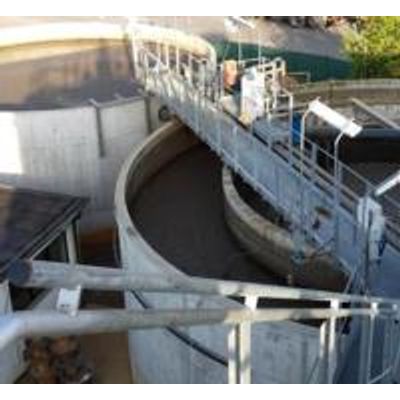
NAS - New Activated Sludge System
Anammox in active sludge: NAS (New Activated Sludge) represents a unique active sludge system in which anammox bacteria constitute a part of the biomass. These micro-organisms ensure a very effective removal of the nitrogen during aerobic purification.
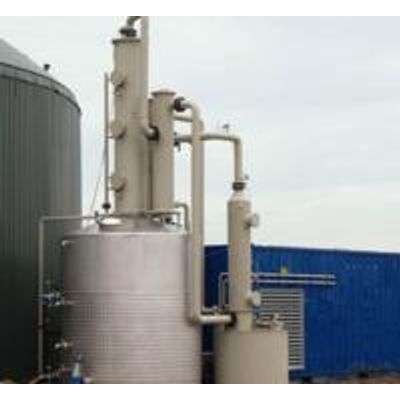
AMFER - Removal of Ammonia from Digestate & Wastewater
Nitrogen removal from ammonia containing water / sludge / digestate and the production of (artificial) fertiliser. During the fermentation of manure and other organic substrates the organic nitrogen present is largely transformed into ammonia (NH4) nitrogen. The high nitrogen content constitutes a limiting factor for field application of the digestate (as a result of European nitrate directive). Current digestate treatment is making use of biological pathways to convert NH4–N into nitrogen gas. These techniques require considerable amounts of energy and result in the loss of nitrogen as nutrient. The AMFER® technology can be applied to produce ammoniumsulphate, which can be used as an (artificial) fertiliser.
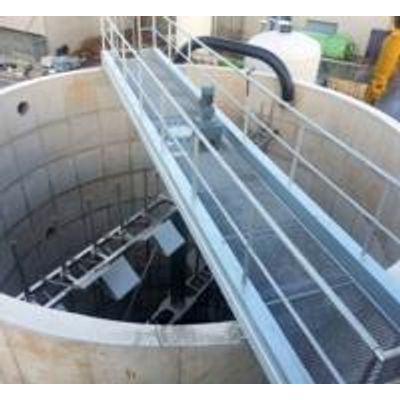
ANPHOS - Phosphate Recovery from Wastewater
Application: In order to remove phosphates from waste waters or digestate in an environmentally friendly manner the ANPHOS® process can be applied. During anaerobic waste water purification the phosphate present is largely converted into ortho-phosphate, whereas the nitrogen is converted into ammonia (NH4-N). In case of aerobic pre-purification orthophosphate is formed as well with potassium as counter-ion.
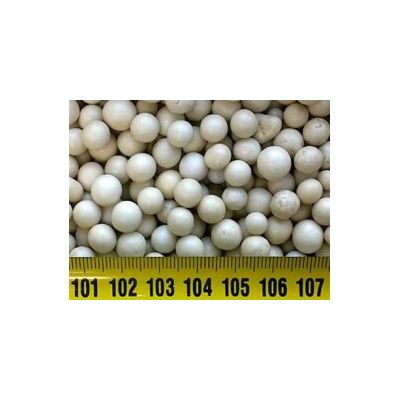
RO-Recycle / MemPhos - Reverse Osmosis Treatment and Desalination of Waste Water
Application: By means of the newly developed RO-Recycle process it is possible to improve the quality of the effluent of biological water purification systems to fresh water for boiler feed or cooling towers or to process water. This RO (reversed osmosis) technology is capable of processing up to 70 % of the total effluent and generate these water qualities. Current state of the art RO systems are capable of phosphate removal such that chemical de-phosphatization steps can be skipped after biological water purification.
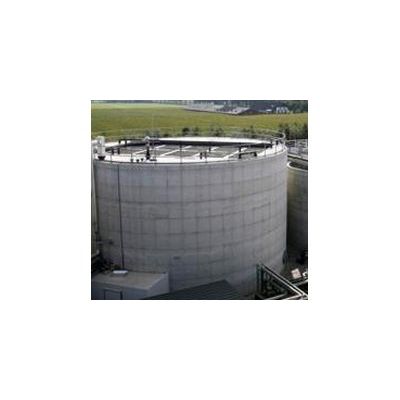
UASB - Anaerobic Waste Water Treatment and Biogas Production of Industrial Wastewater
Application: Anaerobic waste water treatment is applied in many industrial areas for waste water purification of water containing large amounts of organics (COD > 2.000 mg/L).
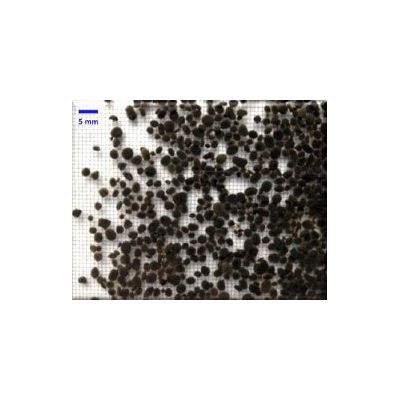
Colsen - Anaerobic Granular Sludge Inoculation for UASB Reactors
Active biomass for inocculation and kick start UASB. Anaerobic wastewater treatment is frequently applied in several industrial sectors. The granular sludge plays a vital role within this technology. In this way waste water containing levels of organics (COD) is purified effectively. Anaerobic biomass present in the reactor transforms the organic matter into biogas and water. The anaerobic reactors are designed to stimulate the formation of granular sludge, which stays inside the reactor. However, in unfortunate events sludge may wash out from the reactor (e.g. during a calamity). In order to be able to restart the reactor quickly or to startup a fully new reactor, the anaerobic biomass from an existing installation can be used for inocculation purposes.
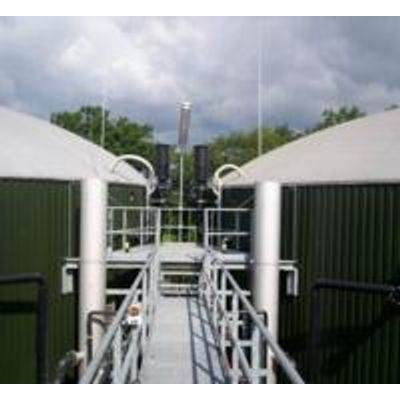
Colsen - Thermophilic Digestion - Efficient Digestion of Organic Matter in Waste Streams
Application: Fermentation represents a natural and anaerobic dissimilation process during which organic biomass is transformed. Certain bacterial strains are capable of converting organic material mainly into methane (CH4), carbon dioxide (C02) and water. The efficiency of the conversion is determined by the system and the nature of the substrate. This anaerobic digestion process takes place in two different ranges on the temperature scale, i.e. from 30-40°C (mesophilic range) and from 50-55°C (thermophilic range).
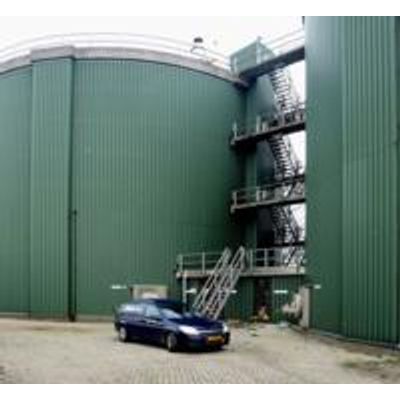
Colsen - Thermophilic Sludge Digestion System
The treatment of WWTP sludge represents a considerable cost for a sewage purification plant. In case the sludge amount is lowered the associated costs can be reduced. An efficient way for the reduction of the sludge amount is thermophilic sludge digestion. When compared with conventional mesophilic digestion thermophilic conditions take care of degradation of an much higher amount of the organic fraction (10-25% more conversion). The (additional) amount of biogas thus produced can be utilised (after S-removal using Bidox®) for the production of electricity and heat using a CHP (combined heat & power) installation. This has a direct positive impact on the energy balance of the sewage purification plant.
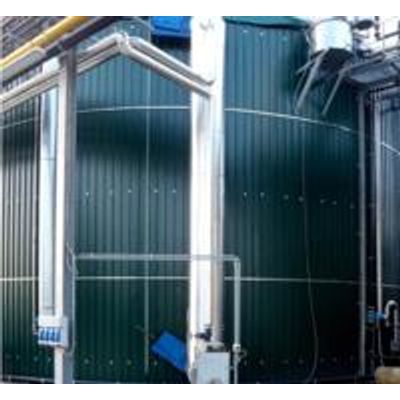
DIGESTMIX - Efficient Mixing and Heating System for Digesters
The unique DIGESTMIX system is capable of mixing and heating the content of a digester at minimum operating (energy and maintenance) costs. This mixing b heating device facilitates a stable temperature, intensive mixing and abatement and prevention of floating layers and scum in the reactor. The DIGESTMIX can also be delivered in mixing mode only. This mixing and heating device is situated outside the reactor and allows you to operate a digester without any internal moving parts. Excellent mixing conditions are a prerequisite for a continuous stirred-tank reactor (CSTR) in order to maximize contact of anaerobic bacteria and substrate and to avoid shortcut streams that could result in lower process efficiencies.
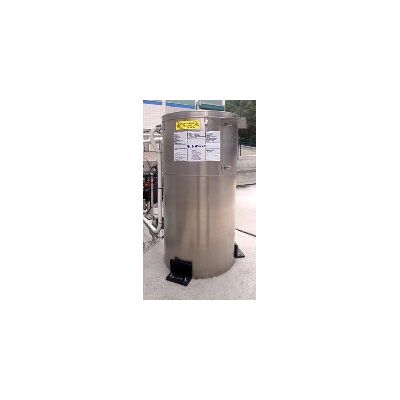
NutriDox - Balanced Broth for Optimal Microbial Activity
Micro-organisms play a key role in nature and mankind has learned to deploy their enormous variety of biochemical capabilities. Biological process steps have therefore become more and more common in industrial applications. The well being of the biomass has often become a critical factor in a sequence of process steps. The last decennia Colsen has developed a number of biological processes for industrial and communal water purification, for bio-energy production and for biological desulphurization. In order to obtain a “healthy” biomass in large proces installations, a nutrient rich broth was developed, which stimulates bacterial growth and supports the vitality of the biomass.