

Ellis Environmental Management, Inc. services
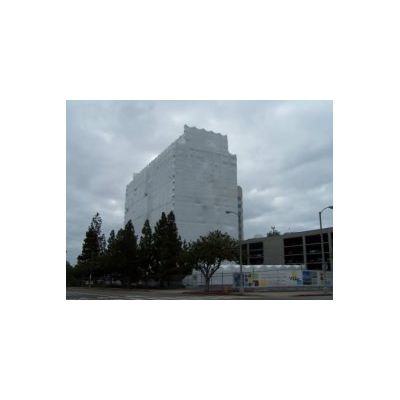
Asbestos Services
Ellis is southern California`s leader in asbestos-related testing and management services. In California, activities that identify and/or disturb asbestos are regulated under 40 CFR Part 763 (AHERA), Cal-OSHA Section 1529 and the Air Quality Management District (AQMD) Rule 1403. Ellis maintains a staff of Cal-OSHA certified asbestos consultants (CAC) and certified site surveillance technicians (CSST) to manage and perform asbestos testing and abatement projects.
Asbestos Testing Services
We have learned a lot during our 20+ years administering commercial environmental abatement projects. First, we understand you may not be here because you want to be. In part, you may be here because regulations stand between you and your commercial demolition or renovation project. (40 CFR Part 763 (AHERA), Cal-OSHA Section 1529 or the Air Quality Management District (AQMD) Rule 1403). These, along with other state and municipal regulations, require that your building be tested for asbestos building materials prior to any activity which might disturb them and that identified hazardous materials are removed properly. You’re also here because providing a safe working environment for general contractors and employees is the right thing to do. We appreciate and agree that this process should be as quick and economical as possible.
Lead Testing Services
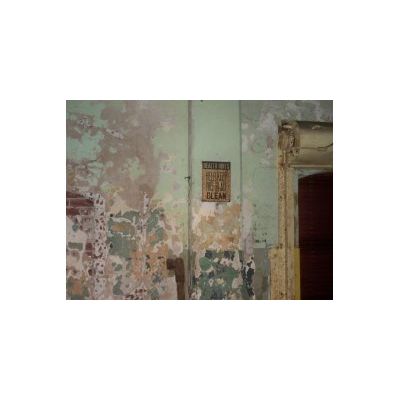
Damaged lead-based paint is recognized by the California Department of Public Health as a potential health hazard, especially for children under the age of 6. Among many agencies, lead regulations and standards are set under Cal-OSHA, Consumer Protection Safety Comission and through HUD guidelines. In a publicly building, a condition like the one shown above may in fact be illegal under California Senate Bill 460. Even if a surface with lead-based paint is intact, certain activities such as grinding or torching such paint could pose a health risk.
Mold Testing Services
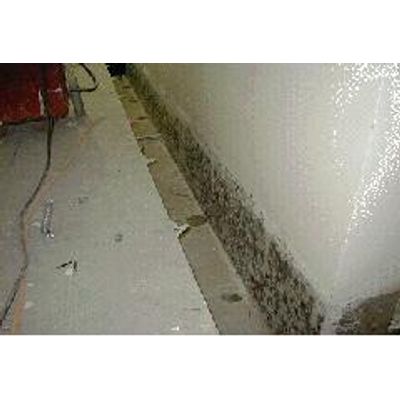
When water intrudes a building, the worst action is no action. The photo at right was taken 30 days after heavy rains saturated floors and walls in a 10-story office building during final stages of construction. The building contractor made no effort to address the water damage. As a result of that inaction, mold formed in wall spaces in numerous areas and eventually became visible to occupants. Ellis was called in to design and administer the safe removal of mold-infected wallboard, test and clear the area, and return the space to normal occupancy as quickly as possible.

Indoor Air Quality Services
Starting Point: When complaints of indoor air quality are non-specific, placement of a Q-trak monitor is often recommended as an inexpensive starting point for the response action. A Q-trak measures and records concentrations and trends in carbon monoxide, carbon dioxide (CO2), temperature and relative humidity. When CO2 concentrations exceed 1,000 ppm, complaints of stuffy air, itchy eyes, etc., will ensue. Elevated CO2 levels are most often traced to problems with the building`s heating, ventilation and air-conditioning (HVAC) system. The most common problem: Pre- and inner filters that have exceeded their useful life. Ellis often inspects HVAC units as a normal part of its investigation.
Moisture Intrusion Testing Services
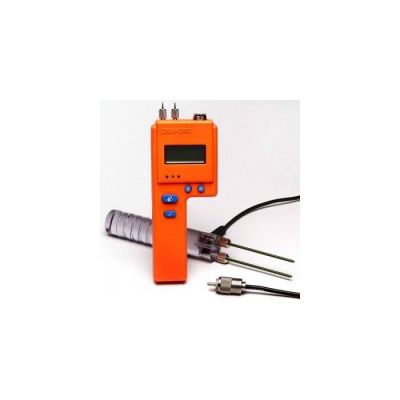
Roof Leaks, Water Intrusion: The calls are already beginning to come in. Sometimes, despite the best maintenance efforts, roof leaks will occur during heavy rains. Rainwater may intrude through weather cracks in sealants, deteriorating flashing, window seals, skylight seals, and so on. Of course, the first and most important step is to identify and correct the source of the leak. Then, however, the real work often starts. Whenever water intrudes INTO a building, wet materials must somehow be addressed. Carpet can usually be dried - or lifted and dried - in place. Similarly, older plaster (not gypsum) walls can often be dried in place by penetrating the wall with small holes and directing fans into the wall space, but only if there is no insulation in that wall space.
Water Testing - Recreational and Potable Services
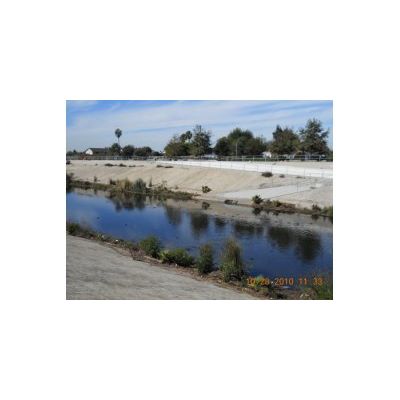
Water quality, regulations, funding and many other water related projects are managed by the State Water Resources Control Board (SWRCB). Public potable water and stormwater runoff are two examples of water that have to meet regulatory standards. Domestic well water is an example of water that is not regulated, but should be tested if used for consumption.
Hazardous Materials (HAZMAT) Assessments Services
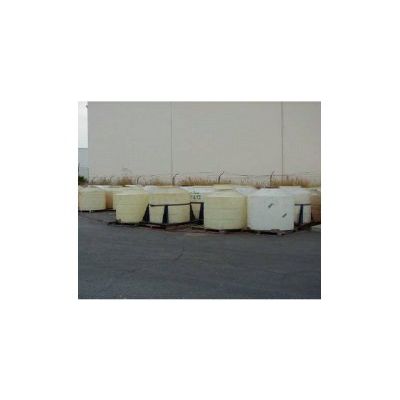
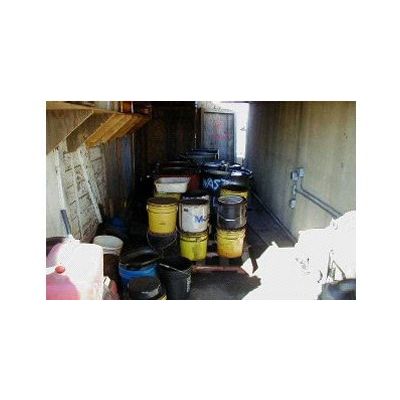
A hazardous material assessment may be requested prior to commencement of re-developing a site, as an emergency response, or to update a site`s chemical inventory. The process includes reviewing Material Safety Data Sheets (MSDS), a site inspection to determine what materials are present, evaluating storage practices, profiling of materials no longer needed at the site, and to ensure that proper transportation and disposal facilities are used when hauling waste off site. Based on the findings, a site-specific remediation plan is developed to address all these issues.
UFPs - Smoke, Exhaust, and Equipment Emissions Services
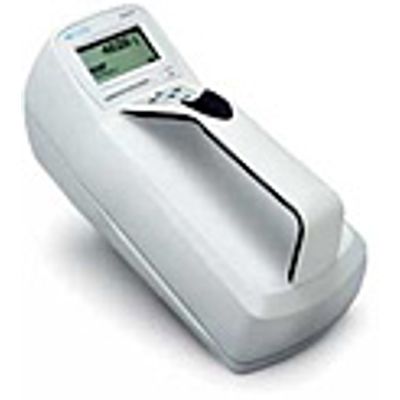
Ultrafine particles associated with exhaust, soot, vehicle and equipment emissions cannot be easily detected with standard IAQ measuring sampling media and equipment. Ellis owns and maintains a particle counter that reads and displays concentrations of ultrafine particles of less than 0.1 micron in size. Results are logged internally and also displayed in real time. Concentrations are expressed in particles per cubic centimeter (p/cm3) air.
Phase I Environmental Site Assessment Services
Prior to purchasing a parcel of commercial property, most lending institutions will require that a Phase I Environmental Site Assessment (ESA) be performed for the property. Even if it is not required, a Phase 1 is an appropriate step in the sale of a property, since it will inform the buyer of any potential contamination from previous operations. The goal is to identify `reccognized environmental conditions` (RECs), which include known and assumed hazards to human health.