


Environmental Efficiency services
Monitoring & Testing
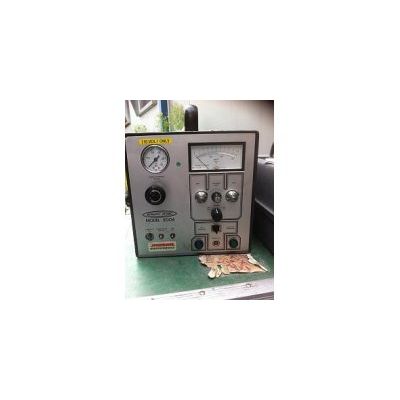
Air Monitoring Service
Environmental Efficiency can undertake all types of air monitoring including stack monitoring, ambient air monitoring , occupational monitoring and Indoor Air Quality including Breathing Air. For stack monitoring of boilers and other emission points, measurements include particulates, TOC, NOx, SOx, CO, CO2 plus a wide range of other gases and substances. Where emission levels exceed the limits, air dispersion modeling may be necessary to ensure there is no detrimental effect on ambient air quality. Environmental Efficiency offers a fully compliant ISO17025 air monitoring service for EPA licensed sites.
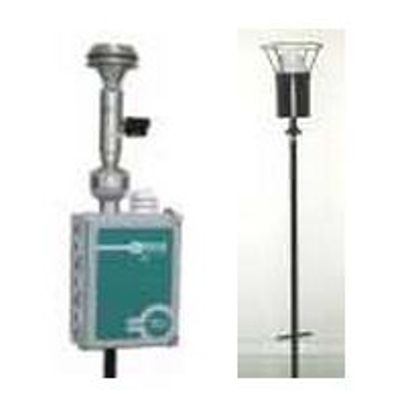
Ambient Air Monitoring Services
Environmental Efficiency can undertake the entire range of ambient monitoring and is able to monitor for dust, PM10, PM2.5, formaldehyde and many other substances. Dust monitoring is generally for 30 days using Bergerhoff Dust Gauges. PM10, PM2.5 is usually monitored for 24 hours using automated samplers. Formaldehydes and other substances are monitored for shorter periods usually using impingers; whilst SOx and NOx are monitored using thermal decomposition tubes.
Air Dispersion Modelling Services
Air emissions from stacks, bag filters and other air emission points can cause health and nuisance problems not only in the locality but sometimes 10`s of km away. Air Dispersion Modelling can predict whether there will be problems with emissions from your site and help explore the effect of various solutions. Environmental Efficiency has a range of Air Dispersion Models including AERMOD at its disposal to ensure a cost effective solution to satisfy your requirements. Our staff are fully qualified to undertake such monitoring and have attended the relevant Lakes Environmental training courses.
Indoor Air Quality Services
Indoor Air Quality (IAQ) is a term which refers to the air quality within a building, especially relating to the health and comfort of the building occupants. IAQ can be adversely affected by: gases such as carbon monoxide, radon and VOCs (Volatile Organic Compounds), particulates such as fine dust and asbestos, molds, bacteria such as legionella (which may give rise to Legionnaire`s Disease), and Mycobacterium tuberculosis (which may give rise to TB).