
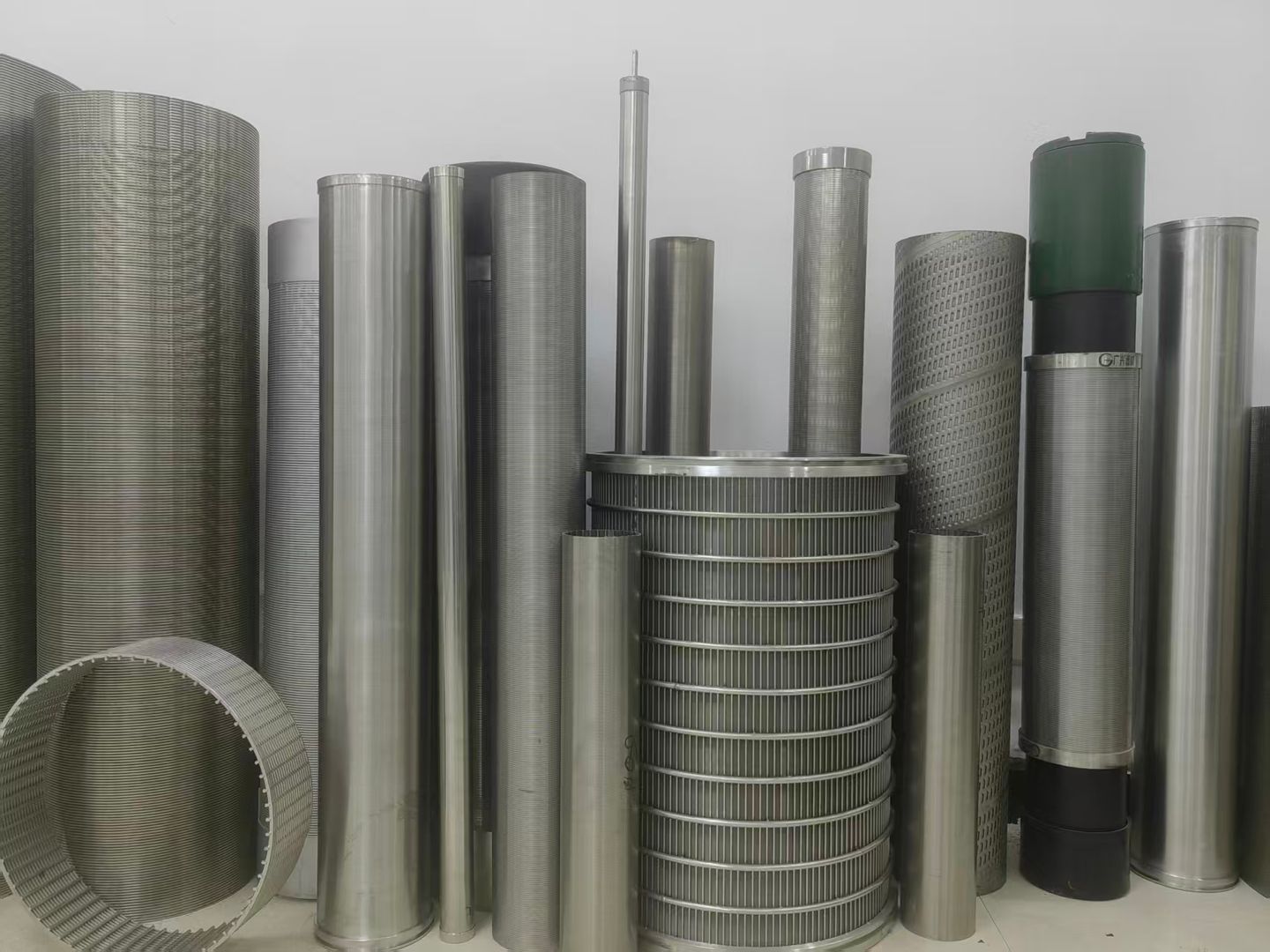

HEBEI GUANGXING FILTRATION TECHNOLOGY CO.,LTD products
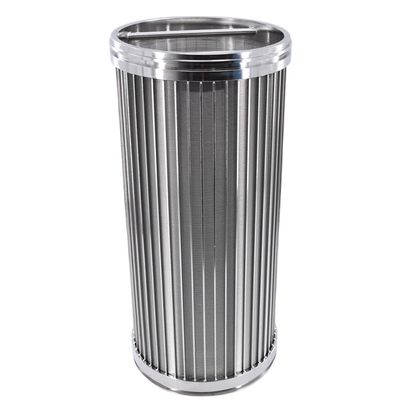
GX Filtration - Wedge Wire Strainer Baskets
High-Precision V-Wire Filter Baskets A Wedge Wire Strainer Basket is a specialized filter element designed for removing solids from flowing liquids or gases in a piping system. Unlike woven mesh baskets that can tear or bypass, our all-welded V-wire baskets provide a rigid, permanent filtration surface. Whether you are handling highly viscous oils, abrasive slurries, or sensitive chemicals, our strainer baskets are engineered for low pressure drop and easy backwash cleaning.
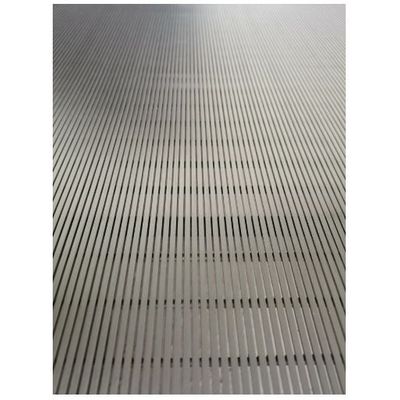
GX Filtration - High-Precision Flat Wedge Wire Screen Panels
Flat Wedge Wire Panels, also known as wedge wire screen decks, are manufactured by welding V-shaped stainless steel profile wires onto support rods. This creates a continuous slot that widens inwardly, ensuring particles pass through without clogging. Our flat panels are widely used in mining, food processing, water treatment, and architectural design due to their perfectly flat surface and high mechanical strength.
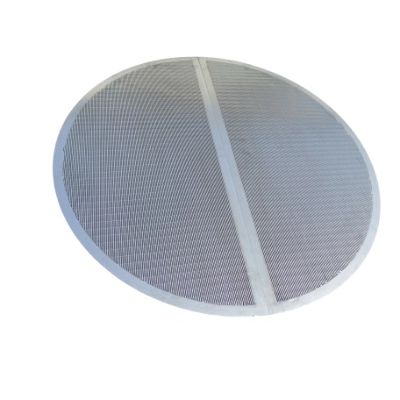
GX Filtration - High-Efficiency Lauter Tun False Bottoms
A Lauter Tun False Bottom is the foundation of a successful mashing process. Our false bottoms utilize V-wire (wedge wire) technology, which provides a significantly higher open area compared to traditional milled or perforated plates. This results in faster lautering times and clearer wort.
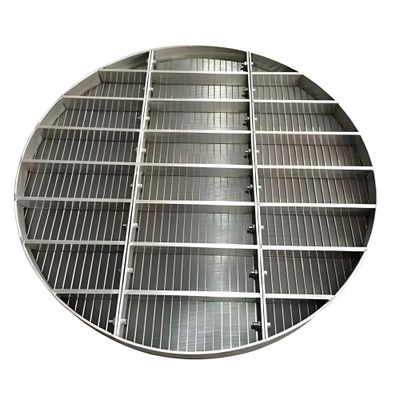
GX Filtration - Wedge Wire Support Grids
A Wedge Wire Support Grid is the critical structural component in many process vessels. Designed to support heavy loads of catalyst, resin, or molecular sieves, these grids utilize the non-clogging V-wire technology to ensure a constant flow rate and prevent media loss. Whether you require a single-piece construction for a small vessel or segmented panels to fit through a manway, our grids are custom-calculated for your specific pressure and weight requirements.

GX Filtration - Industrial Sieve Bend Screens (DSM Screens)
The Sieve Bend Screen (also known as a DSM screen) is a curved static screen used for separating solids from liquids. It is composed of a curved wedge wire screen panel mounted in a frame with openings perpendicular to the flow. Compared to flat screens, sieve bends have a higher capacity and efficiency due to the gravitational force and the curved profile.
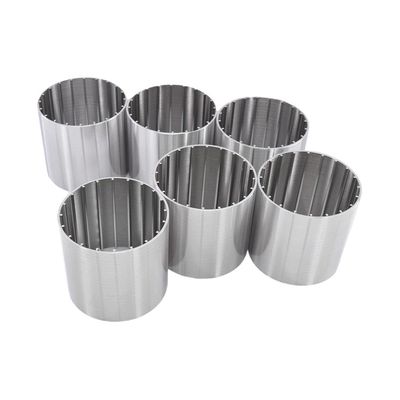
GX Filtration - Custom-Engineered Wedge Wire Screens for Industrial Filtration
High-strength, non-clogging V-wire technology designed for the most demanding separation and screening applications.
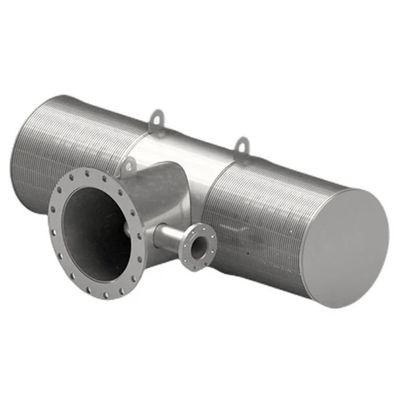
GX Filtration - Passive Water Intake Screens (T-Screens)
A Passive Water Intake Screen is the most efficient way to extract large volumes of water from lakes, rivers, and oceans. Designed with wedge wire technology, these screens operate with a low through-slot velocity (typically less than 0.15 m/s), which is crucial for EPA 316(b) compliance to prevent fish impingement and entrainment. Our screens are engineered for long-term submerged use, featuring high-strength materials and optional air-burst cleaning systems to ensure continuous flow in debris-heavy environments.
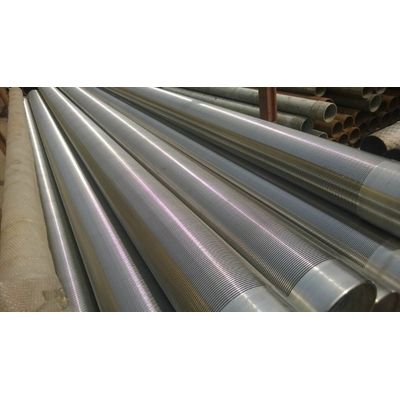
GX Filtration - Model Johnson Type - Continuous Slot Wire Wrap Screens
A Wire Wrap Screen is manufactured by wrapping a cold-rolled V-shaped profile wire around a circular array of longitudinal support rods. This advanced welding technology ensures every intersection is fused for maximum structural integrity. Our screens provide 2-3 times more open area than conventional slotted pipes, significantly reducing the entrance velocity of the fluid and extending the lifespan of the well and the pump.
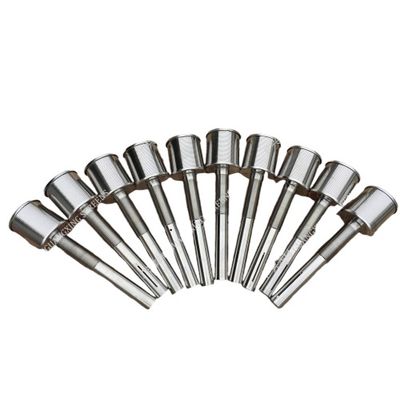
GX Filtration - Industrial Wedge Wire Filter Nozzles
Our Wedge Wire Filter Nozzles (also known as screen nozzles) are an economical and reliable solution for water treatment underdrain systems. Unlike standard plastic nozzles, our stainless steel 304/316L nozzles offer exceptional resistance to heat, pressure, and chemical corrosion.
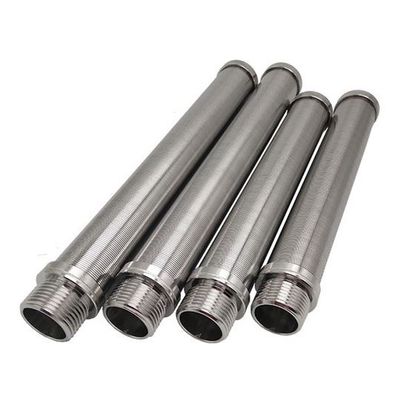
GX Filtration - Backwashing Wedge Wire Candle Filter
The wedge wire candle filter consists of a cylindrical V-wire screen element mounted vertically inside the housing. During filtration, liquid flows from outside to inside (or inside to outside, depending on design), retaining solids on the screen surface.