

- Home
- Companies
- Transient Technologies LLC
- Applications
Transient Technologies LLC applications

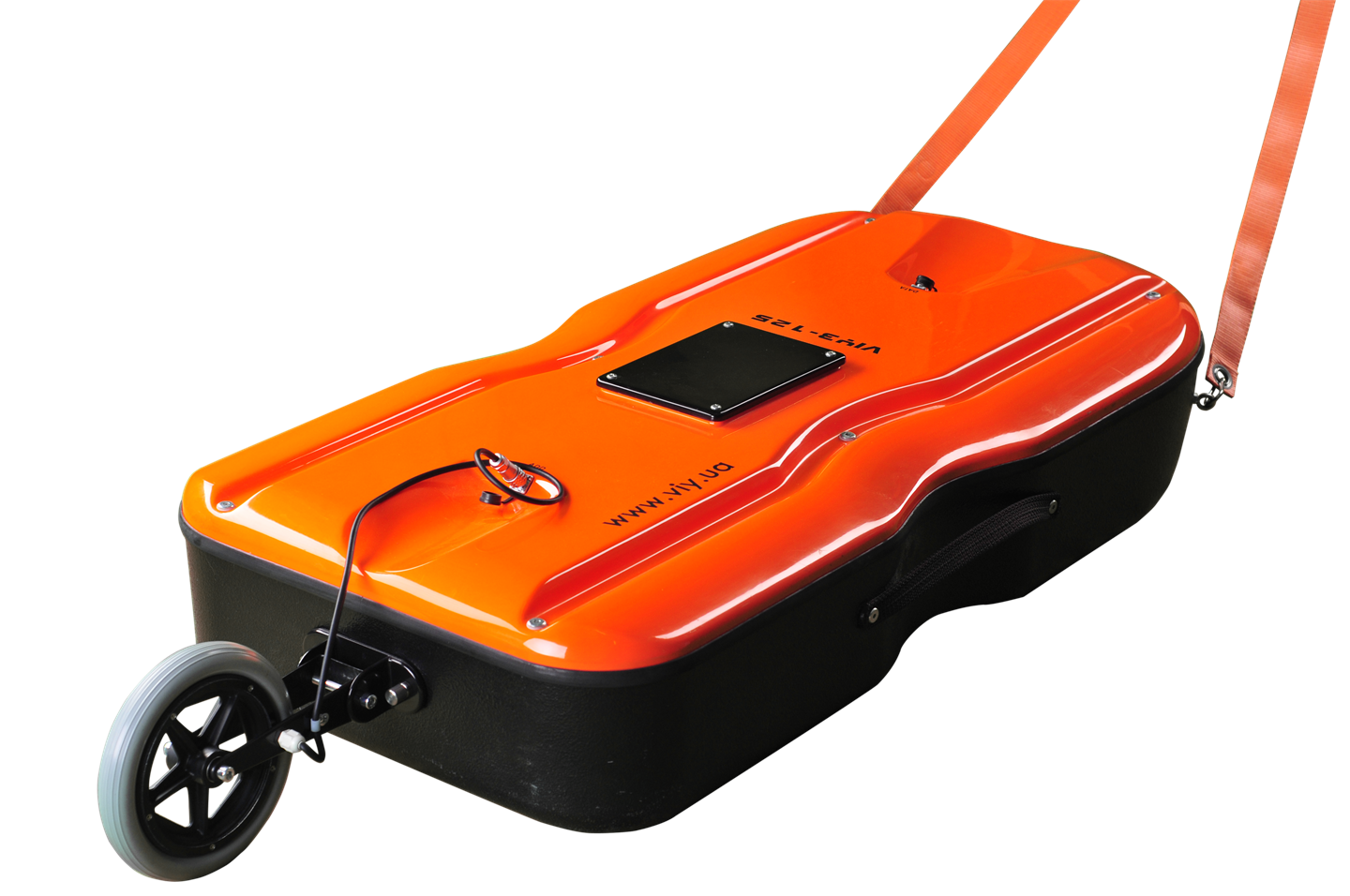
VIY3 GPRs allow to have a topography of subterrain structure down to 15 meters. That the good application for underground water exploration, searching for harmful chemical pollutions and underground cavities finding.

GPRs can also be applied to measure ice and snow thickness and explore snow structure. Besides, you can explore ground surface relief that is located under ice and snow masses.
GPRs allow you to find a location, measure a depth of underground pipes, and cables, and other infrastructure items. The unique quality of GPR - they can find both metallic and non-metallic items with an equal efficiency.
In construction and infrastructure field GPR application makes it possible to have the most detailed topography of undergrounding. GPRs help to discover ground water location, old underground passages and cavities remains and karst layers.
In archaeology using GPR you can process considerable areas of planned excavations. Therefore, the needed excavation area can be substantially reduced. Time and financial costs reduce as well. Examining historical buildings GPRs allow to find hidden rooms, spot areas of demolition in the object structure. What is remarkable, you can make a noncontact research with GPR (e.g. above ground surface).

The roads and bridges construction and repair demand of careful investigation of road surfacing state, quality of used concrete and geological assessment of ground structure under roads to find any heterogeneity. GPRs can be applied here for: tunnels, road surface thickness measure, runways state assessment. The important advantage of GPRs using – quick road surface assessment.
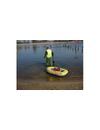
In hydrobiology GPR also find its applications: fresh water reservoir bottom structure. find items lying on the reservoir’s bottom and inside bottom sediment. measure of peat and other bottom sediments thickness . search for underwater piping and other infrastructure items. archaeological underwater explorations.
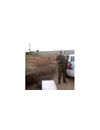
Police can use GPRs in different forensic investigations (search for hidden burials, underground hiding places and passages etc.). Military uses of GPR include location and detection of buried explosive devices and land mines.