

Water Management, Inc. (WMI) services
Sanitary and Domestic Uses
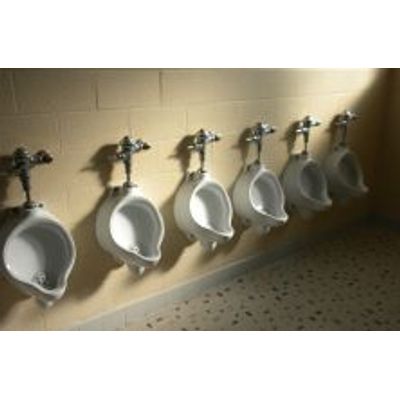
Often overlooked are the water and cost savings achievable in the domestic water usage by commercial and industrial facilities. While water efficiency measures should begin with the highest water use operations such as cooling, cleaning, rinsing, heating, etc., many facilities miss the easy improvements that can be made in domestic water devices such as toilets, urinals, sink faucets and showers. Domestic water use at industrial and commercial facilities may range from a few percent at a food processing industry to more than 50 percent in an office setting. Average daily domestic demands in commercial/industrial settings range between 20 and 35 gallons per day, per employee, and savings of 25 to 35 percent of this domestic usage is readily achievable. WMI’s programs focus on high efficiency toilets and urinals, showerheads and tub faucets, and aerators.
Commercial Laundries
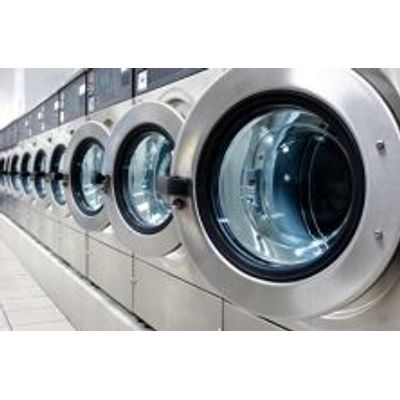
Commercial, industrial and institutional facilities include those that wash linens, uniforms and other items for hotels and motels, hospitals, nursing homes, prisons, universities and restaurants. Large amounts of water are regularly used in laundering facilities for operations that include the wash and rinse cycles of washing machines, steam-heated dryers, steam-pressing equipment and reclamation of dry solvent.
Rainwater Harvesting
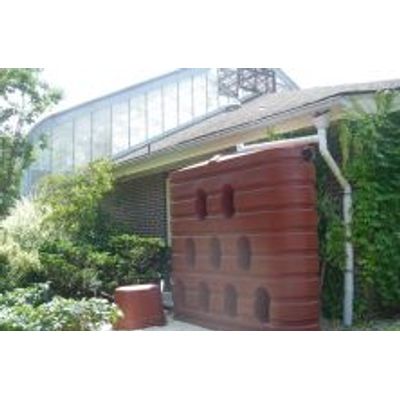
Rainwater harvesting refers to the collection and storage of rain. Stored water can be used for non-potable purposes such as irrigating lawns, shrubs, washing vehicles, flushing toilets, make-up to cooling towers, or pool make-up.
Water Optimization and Low Flow Program (WOLF) Program Services
Many areas of our country are now facing historic drought conditions. State governments and water authorities are implementing strict regulations to reduce water consumption. This impacts business owners who are looking to comply with the water restrictions, and reduce their water and sewer expenses.Steam System Optimization Services
WMI`s utilizes Steam Management Inc. to implement steam efficiency programs that not only save significant amounts of fuel and energy but also reduce your carbon footprint, making your business more sustainable. The typical savings within facilities are between 20% and 30% of total steam system use. Upgrading a failing steam system infrastructure can eliminate leakage and rapidly pay for itself through savings. The result: you receive new equipment that is highly efficient and your utility bill is lowered through proven techniques. For those that qualify, we offer a unique program that allows a facility to pay for these programs from existing cash flow, rather than via capital budgets.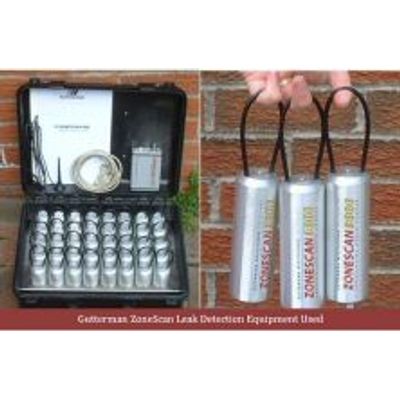
Leak Detection
Leak detection is the systematic search for leaks within a property’s entire distribution system. While many leaks are detected when utility personnel or citizens observe water flowing out of the ground, an effective leak detection program uses electronic equipment to identify leak sounds and pinpoints the precise locations of underground leaks. Because leaks can develop at any time, detection must be an ongoing program rather than a one-time project.
Metering Services
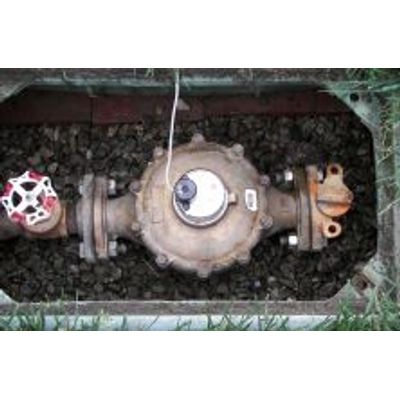
Meter Auditing: Inaccuracy in water use also results when the meters are outdated or in poor repair. This is a serious problem and needs to be addressed, promptly. Inaccurate water meters not only result in lost income for utilities, they also prevent utilities from realizing the potential for greater savings. Without accurate meters, water and sewer departments cannot completely participate in some of the newest experiments and techniques designed to foster increased water efficiency. Accurate assessment of water usage is vital in keeping utility bills low and conserving water in drought conditions.