

Waterleau products
Water
Waterleau LUCAS - Aerobic Treatment Systems for Wastewater Treatment
LUCAS systems for advanced aerobic wastewater treatment solutions. Aerobic wastewater treatment is a biological process used to treat sewage and industrial wastewater by using oxygen to break down organic matter. Unlike anaerobic treatment, which operates without oxygen, aerobic treatment relies on the presence of oxygen to support the growth of microorganisms (aerobic bacteria) that consume the organic pollutants in the wastewater. This process not only significantly reduces the amount of organic matter and waste but also transforms them into stable forms, such as carbon dioxide and water, making the effluent safer for discharge or further treatment. The digestion of these organic pollutants is facilitated by the aerobic bacteria, ensuring effective treatment of sewage and other wastewater types.
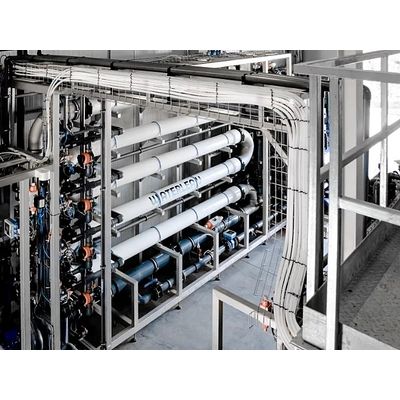
Waterleau AQUALITY - Difference Between Filtration and Reverse Osmosis
Membrane filtration is a water treatment process that uses a semipermeable membrane to separate contaminants from water. It is widely used in various industries, such as the food and beverage industry, municipal wastewater treatment, and industrial effluent management. This process is highly effective in removing particles, bacteria, and even dissolved substances, providing a higher quality of treated water compared to traditional filtration methods. A common application of membrane filtration is the Membrane Bioreactor (MBR). An MBR combines biological wastewater treatment with membrane filtration, offering advanced purification by removing both organic and inorganic pollutants.