


- Home
- Companies
- Tanknology Inc.
- Products
- PetroScope - Detailed Tank Inspections ...
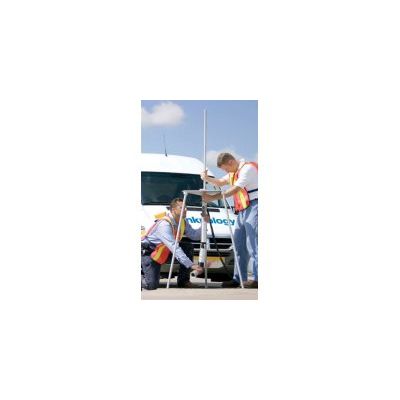
PetroScope - Detailed Tank Inspections Without Manned-Entry
Inspecting the inside of an underground storage tank is not a simple matter. It requires evacuation of the fuel in the tank, then entry by a person into the confined, hazardous environment. It`s risky and it`s expensive. Our revolutionary PetroScope system provides a detailed inspection of a tank`s interior, but eliminates the need for manned entry – resulting in a safer and considerably less expensive inspection.
The PetroScope system utilizes a robotic camera, which is navigated throughout the interior of the tank in order to pinpoint the sources, locations and magnitude of corrosion, cracks or leaks.
The entire PetroScope inspection is captured on video, which is subsequently studied by a corrosion engineer who generates a report detailing the integrity of the tank as of the date of the test. That video is provided on DVD to the customer for a permanent visual record of the inspection.
PetroScope inspections take less time than a manned-entry inspection, resulting in shorter downtime for the facility.
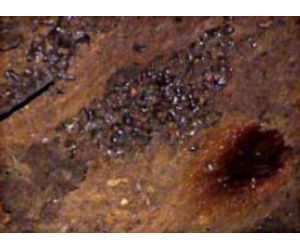
PetroScope can be used to:
- Evaluate the structural integrity of steel and fiberglass tanks.
- Evaluate the interior condition of lined tanks.
- Locate bungs and check for leaks.
- Find source of clogged filters
- Locate debris in tanks
How the PetroScope system works:
After purging the tank of gasoline and vapors, a robotic camera is inserted into the fill pipe of the tank. The technician begins systematically scanning the tank, zooming in closely on suspect situations. The camera is able to observe anomalies such as pits, rust, obvious water intrusions, streaks and cracks which affect the integrity of the tank, capturing it all on video.
The video is provided to one of Tanknology’s NACE-certified corrosion engineers, who studies the findings and generates a detailed report on the condition of the tank.