DJE Recycling Systems Limited
- Home
- Companies
- DJE Recycling Systems Limited
- Products
- DJE - Sink Float Tanks for Plastic ...
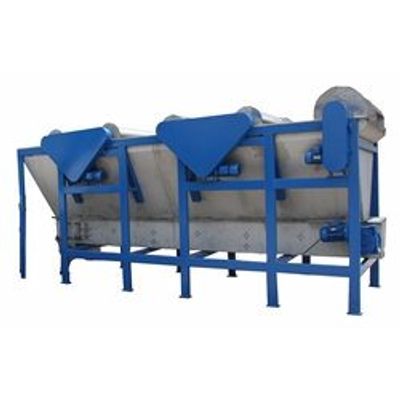
DJE - Sink Float Tanks for Plastic Seperation and Plastic Washing From 500 -2500 Kgs Hour
The float / sink fraction concept relies on the specific gravities of the materials processed relative to the specific gravity of the base solution in the tank. The scrap materials with a specific gravity higher than that of the base solution will sink and those with a lower specific gravity will float. The specific gravity of the base solution can adjusted with the addition of chemicals,this allows users to separate a number of different types of polymers using a series of tanks.
Most popular related searches
floating tank
dewatering screw
drum filter system
waste disposal system
screw bottom
scrap material
plastic tank
rotating filter system
waste disposal container
drain water
FLDC Range of sink float tanks for plastic seperation are modular so can be used as stand alone or part of a Plastic, PVC and PE recycling line for plastic scrap and other material separation.
Sink float tanks for plastic seperation are manufactured from stainless steel and fitted with feed in screws, bottom screws, rotating drums, spray bars and take off dewatering screws.
Bottom Screw Augers:
The sinking fraction material are seperated and removed from the bottom of the tank using screw augers. For the larger sink float tanks they are either fitted with two or three augers. This material is then fed along the base of the tank and transferred into an elevated transfer screw, the material can then be fed into dryers, further float sink tanks or into a waste disposal system / container.
In feed Screws:
Shredded in feed materials are force fed into the tanks using up to three screws, the product is forced under the surface of the solution, this ensures the material is fully “wetted out” to ensure maximum separation of polymer streams.
Rotating Drums:
Rotating drums are fitted at the top of the tank drums which are used to re-submerge the floating fraction / material before being transferred along the surface to the tank out feed.
Spray Bars:
Spray bars are fitted across the surface of the tank between the rotating drums. Filtered solution is then pumped from the spray bars onto the surface of the tank / floating fraction. The agitation of the spray breaks up floating fractions such as contaminated dirt and dust which would otherwise be trapped as sinking fractions.
Take Off Dewatering Screw:
The floating fraction is transferred from the surface of the tank into the take off dewatering screw, the drained water in fed back to the tank, and material discharged for further processing.
Options which would be discussed after material analysis with our chemists
- Chemical analysis
- Automatic Chemical Dosing
- Additional Filtration
- Frost Protection
- Automatic in fills
- Integrated feeding systems for difficult products