


- Home
- Companies
- I2M Associates, LLC
- Services
- Groundwater Supply and Dewatering
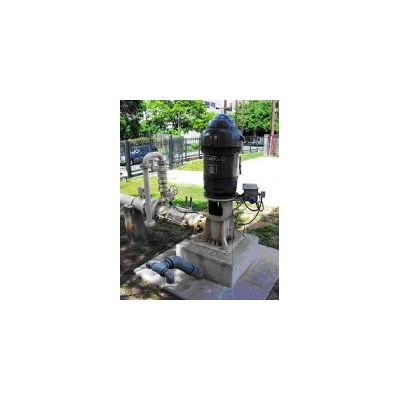
Groundwater Supply and Dewatering
The development and maintenance of a water supply are of importance to many people today, especially if one resides in the suburbs or in a rural setting. In large cities, water usually is supplied by a network of underground pipes from either a surface reservoir or from a system of high-capacity water wells. As population centers have expanded over the years, water wells often must co-exist with nearby oil and gas wells.
The selection process of deciding between a surface-water or ground-water source depends on many factors:
- geographic location (topography, climate, precipitation, temperature, and population density),
- hydrogeologic conditions, (depth to water table and aquifers, suitability of aquifers, water quantity and quality,
- engineering controls (cost sensitivity, political preferences), and
- contamination issues (surface-water vulnerability, ground-water vulnerability, and operator responsibility)
Litigation can result from disagreements between the landowner and well contractor, the municipal utility district (MUDs) and the operator and/or residents, or with insurance companies over a number of issues, i.e., water costs, water quality, causes of well failures, etc. Any of the above issues can be involved in litigation. Inappropriate or misrepresented data or methods are, in many instances, the basis of litigation involving activities conducted within the discipline involving ground-water supplies, which is practiced in some cases by unqualified individuals not having appropriate training and experience and the associated professional hydrogeological certifications and/or state licenses.