Water & environmental data acquisition solutions for soil monitoring industry - Soil and Groundwater - Soil and Groundwater Monitoring and Testing
Understanding the importance of soil continues to increase across various sectors. Soil monitoring and assessment are critical for a wide range of applications, including research, climate observation, water resource forecasting, groundwater management, stormwater control, agriculture, turf management for golf courses and sports fields, civil engineering, and property conservation. Integrating advanced soil measurement technologies with a commitment to environmental sustainability fosters resilience to climate change, helps mitigate natural and man-made disasters, protects natural ecosystems, and supports the sustainable agriculture production. Many fundamental environmental processes are influenced by soil hydrological dynamics, underscoring the vital role of soil in maintaining ecological balance.Soil is an important natural resource, just as the air and water that surround us are. Unfortunately it has been overlooked in the past and taken for granted with disastrous results, such as the North American dust bowl of the 1930s. Today, the role of soil health on our climate as a whole is taken more seriously, with researchers at organizations such as the USDA-ARS (US Department of Agriculture, Agricultural Research Service) looking into how exactly soil interacts with the rest of our environment.
Receiving accurate and instantaneous information on soil moisture content, salinity, temperature, and other parameters, soil sensors are an important tool for anyone involved with soil.
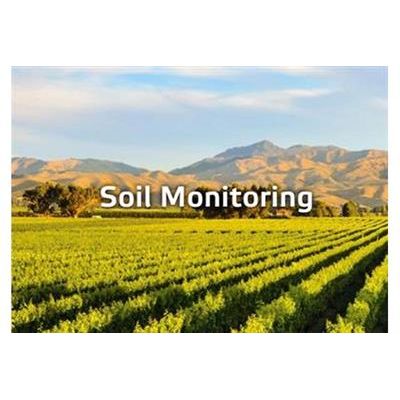
Irrigation of crops represents 90% of the water used worldwide. Monitoring soil moisture in the root zone of crops will optimize irrigation. The benefits of optimizing irrigation scheduling with soil moisture sensors includes increasing crop yields, saving water, protecting local water resources from runoff, saving on energy costs, saving on fertilizer costs and increasing the farmer profitability.
Irrigation plays an increasingly important role in agriculture. Irrigation is essential but so is the proper management of the irrigation. Soil moisture monitoring is the key to ensuring good irrigation management decisions are made to maximize the benefit of irrigation.
Irrigation is not the only use for soil monitoring. Each year, erosion from changes in land use causes millions of dollars in damage to property and natural water systems. In order to understand the causes of erosion and make predictions about when and where erosion will occur, hydrologists need to record rainfall, sediment and soil moisture. The water infiltration rate of soil is a function of soil moisture—if the soil is dry, the infiltration rate will be sufficient to prevent run off. Overland water flow may occur if rain events happen at a time when soil is saturated. Monitoring soil moisture is an important input parameter into erosion prediction models.
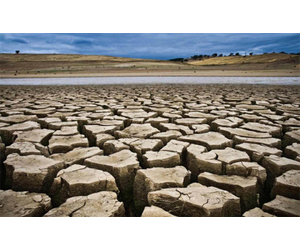
Regional drought can severely affect the economy and even lead to starvation in some areas of the world. With advances in computer processing and environmental modeling methods, scientists are beginning to understand regional water budgets and hydrological processes. An important input into drought forecasting models is changes in regional soil moisture. Long-term soil moisture data over large regions can be used to predict and characterize harmful droughts.
Soil monitoring is also critical to dust control, biofuel production, phytoremediation, reservoir recharge from snowpack, soil carbon sequestration studies, watershed hydrology studies, satellite groundtruthing, landslide studies, and is used in mesonets and weather station networks around the world.