
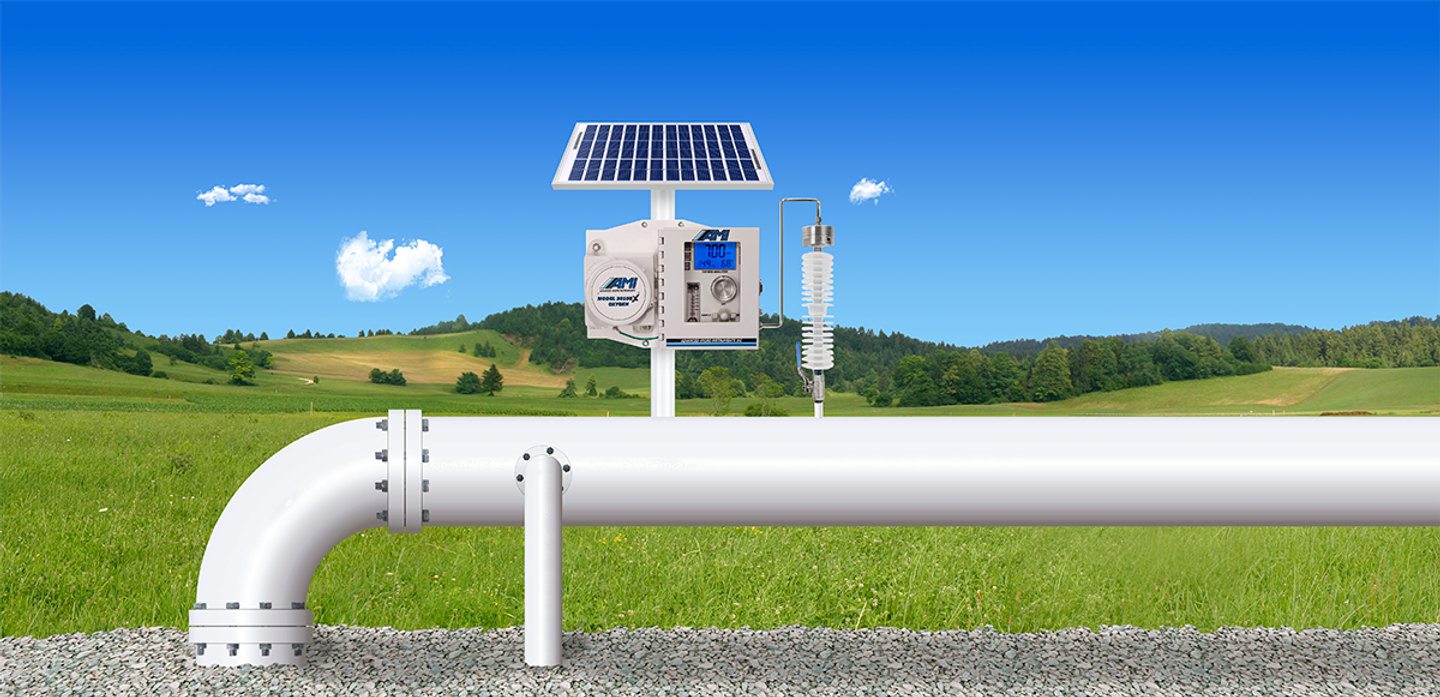

- Oxygen Analyzer - Trace Oxygen Analyzer
- Oxygen Analyzer - Percent Oxygen Analyzers
- Oxygen Analyzer - Portable Oxygen Analyzers
- Accessories - Protection
- Oxygen Sensors
- Accessories - Additional Accessories
- Accessories - Pre-Conditioning
- Accessories - Pumps
- H2S Analyzers
- Oxygen Analyzers - Oxygen Deficiency Monitors
- Moisture Analyzer - Permanent Mount Moisture Analyzer
Advanced Micro Instruments, Inc. (AMI) products
Accessories - Pre-Conditioning
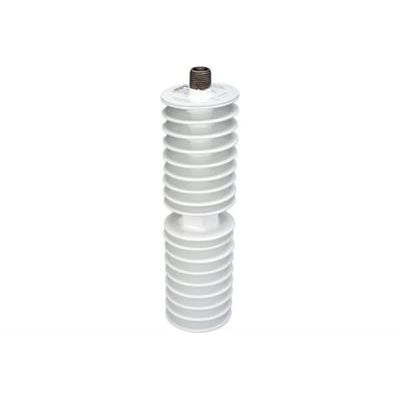
Model Demister II - Steel Pipe
The Demister II provides a significant improvement over the original AMI demister. As well as acting to remove mists from a sample, it now also effectively condenses vapors so as to make sure that condensation does not occur further down the sample system, particularly within the Liquid Rejection Probe (which can cause premature failure of the probe membrane as it loads up with condensate).
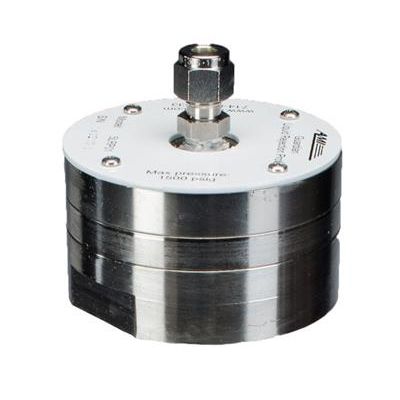
Model LRP - Liquid Rejection Probe
The LRP (liquid rejection probe) contains a spring-loaded membrane filter together with a very sensitive check valve. It is intended for use on a natural gas pipeline to prevent common problems from damaging the analyzer attached to it. It is intended to be mounted on top of a demister.
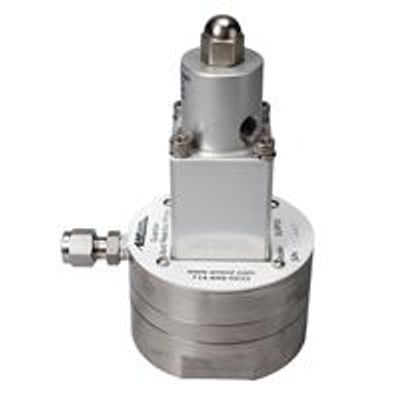
Model LRP W/ Regulator - Spring-Loaded Membrane Filter
The LRP with regulator is a standard LRP adapted for use with high pressure pipelines. It contains the standard LRP features together with a built-in gas regulator to bring the sample pressure down to a range suitable for an analyzer. The LRP (liquid rejection probe) contains a spring-loaded membrane filter together with a very sensitive check valve. It is intended for use on a natural gas pipeline to prevent common problems from damaging the analyzer attached to it. It is intended to be mounted on top of a demister.
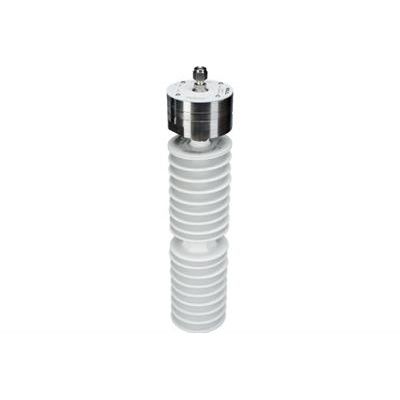
Model LRP W/ Demister - Sample Conditioning for Natural Gas Stream
Sample conditioning a natural gas stream for an analyzer can be a really tough problem. Natural gas frequently contains a lot of water, compressor oils, glycols, hydrogen sulfide as well as the gas itself. Just after a compressor or just out of a well the pressure can be high, but equally the pressure could be low or even below atmospheric pressure, particularly if the source shuts down while a downstream compressor is still operating. Just after a compressor the temperature can be over 150F, but the ambient temperature can be well below freezing. Puddles of water can collect at low points and when they come through, possibly driven by a “pig”, a sudden slug of whatever is it in it can come through, with no gas content at all.