

Altenburg & Wymenga Ecological Consultants services
Water Resource Management
Flood Management Services
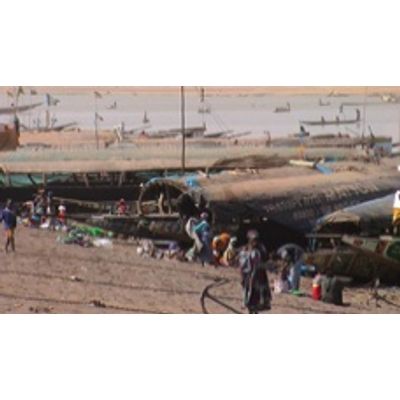
Flooding of river basins and delta`s offers, in a natural situation, the nutrient rich environment for fertile soils and a high biological production. That is why throughout the world most delta`s are transformed to productive agricultural systems but at the same time form ecological hotspots and hold wetlands of international importance. Especially in river basins and delta`s in transition, where the original flooding system is tamed, excessive flooding and its associated effects raises the need for effective flood management, tailored to a multifunctional usage of water bodies. Today, more and more attention is payed to the designation of sustainable deltas, offering room to both socio-economic and ecological functions.
Ecological Restoration
Species Re-Introduction Services
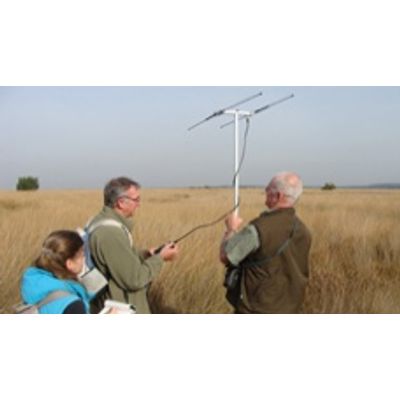
The extinction of species worldwide has received much attention recently, especially in 2010 the Year of Biodiversity. On a national or regional scale the loss of species directly influences the quality of ecosystems. Due to landscape and habitat fragmentation many terrestrial and/or slow moving species are hardly able to recolonise their former habitats, once local populations have been lost. Although the core habitats may be restored, often the landscape between source population is hostile and not suitable for migration and dispersion. This may seriously hamper the re-establishment of species while the habitat seems suitable again. In such cases re-introduction of species may be considered.
Wetland Restoration Services
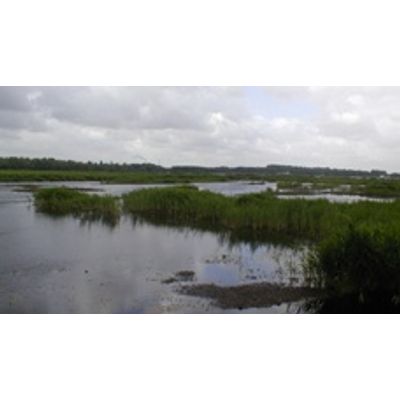
A&W has carried out many studies on habitat selection, breeding biology and foraging behavior of marsh breeding birds for many years now. Ecological studies and monitoring programs have been performed in various large-scaled wetlands, such as the Oostvaardersplassen and Lauwersmeer. Habitat models have been developed over the years by studying terrain quality and marsh bird ecology. This tool can be uses to determine limiting factors in species’ abundance and numbers, and work out restoration schemes. Recently, this kind of work has been done in the Zuidlaardermeer, Weerribben, and lakes along lake IJssel. In addition, the foraging ecology of harriers, in terms of habitat quality and the required feeding area, has been examined by mapping the hunting behavior of harriers in relation to habitat characteristics. Subsequently, recommendations for design and management of feeding areas around the Oostvaardersplassen have been prepared.
Protected Area Management
Collaborative Management Services
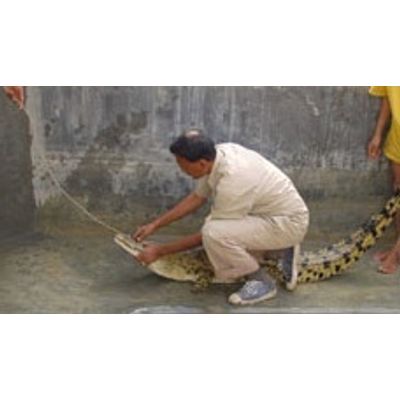
Biodiversity and natural resources are crucial conditions for the well being of mankind, contributing to employment, poverty reduction and a better environment. Conversely, conservation depends very much on the understanding and commitment of people to supporting sustainable development and to respecting their natural environment. Sustainable use and conservation are both benefiting from involving local communities where possible in resource management. A&W staff has been involved in collaborative management activities in Pakistan, Cameroon, Mali, Benin, Ghana and The Netherlands.
Capacity Building Services
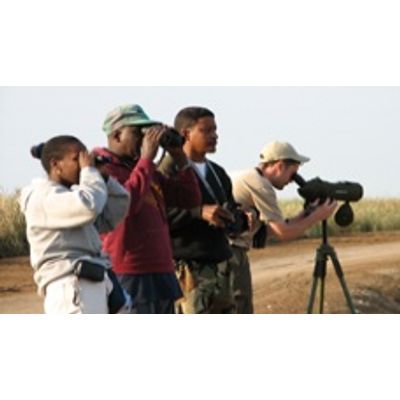
The key to adequate conservation for any organisation responsible for the management of protected areas is the performance of its staff, which is achieved through building an efficient organisation with motivated and effective people. Nature and conservation management asks several specific skills : the management of specific habitats and species (protection, ecological resoration, mitigation measures), monitoring of birds and other species, mapping of habitats, writing management plans, and the administration of management and monitoring, including using Geographical Information Systems (GIS).
Ecological Monitoring
Animal Population Surveys Services
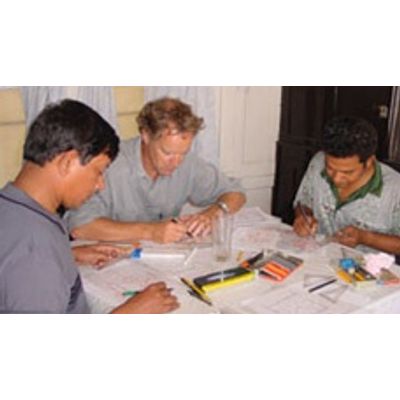
We believe that all questions and advices regarding ecological issues should be based on sound ecological data. Whether you perform an Environmental Impact Assessment, design a plan for the ecological restoration of an area, or making a management plan for a protected area such as a Natura 2000-area, the work should be based on thorough knowledge on the distribution of habitats and the relevant species. The type of survey - censuses, mapping habitats, remote sensing, detailed distribution surveys - and the way it should be performed depends on the target species and the topic for which the results will be used.

Design Of Monitoring Systems
Monitoring systems are powerful tools for decision-making and process control. Monitoring may, for example, be used to assess cost effectiveness of operations, effects of management measures, project progress, animal population trends, vegetation succession and other ecosystem changes. We believe that the actual monitoring of ecological assets and the measures taken add much to an efficient and effective management of protected areas. The data should be gathered in such a way that a sound analysis and evaluation is possible. This requires a effective monitoring system providing monitoring objectives, methods of data acquisition and analysis and an evaluation plan, and using SMART indicators to track operations, outputs and impact.
Ecological Networks
Wildlife Crossings Services
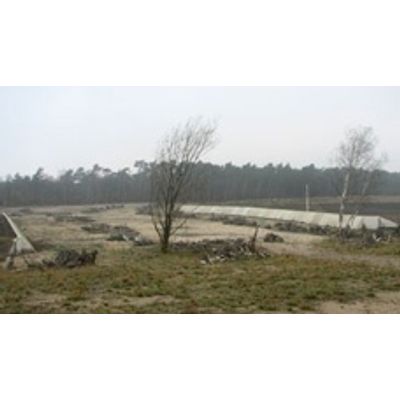
The fragmentation of landscapes reduces the availability of suitable habitat and limits migration of terrestrial species. This is especially the case in densely populated areas or through the construction of roads and other infrastructures. The construction of wildlife crossings, small or large, links habitat patches thus creating a larger continuum. This applies also to fish passage systems to restore longitudinal fish migration. The design of wildlife crossing always asks for a tailor made approach based on a thorough inventory of the surrounding environment, the animal movements and the core areas which have to be connected. Based on this knowledge wildlife crossing and passages can be designed, thus mitigating the impact of infrastructure and improving connectivity.
Flyways and Migratory Birds
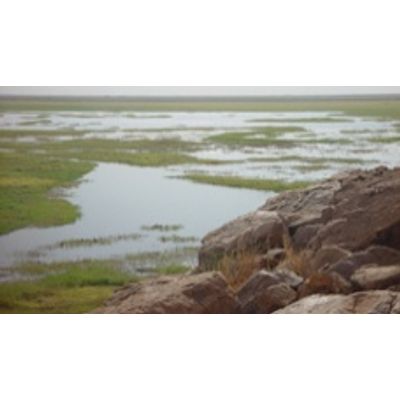
About a quarter of the 500 bird species breeding in Europe and adjacent Asia spend the winter in Sub-Saharan Africa. The major part of these birds show a negative population trend in the past decades. Recent studies have shown, that the wintering conditions in Africa, notably the Sahel, have several carry-over effects on the breeding birds in Europe. Also it becomes clear that an effective conservation of the internationally operating bird species can only be achieved by a coherent international flyway conservation. Migratory birds require an international approach to conservation, covering breeding areas, fly ways and non-breeding areas. This means that a thorough knowledge must be available on migrations routes, stop-over places and bottle necks in the flyway-network. For example, this knowledge can be used for the sustainable management of deltas, often important staging and wintering sites for migratory birds.