


- Home
- Companies
- Explorer Company
- Applications
Explorer Company applications
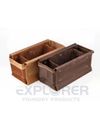
The purity of molten aluminum is paramount in casting. Each cubic meter of aluminum melt can harbor over 5 million micron-sized inclusions. These impurities are a primary source of defects in the final cast product. Our specialized fiberglass mesh filter bags are engineered to drastically reduce defect rates by an impressive 90%. They achieve this through a sophisticated triple purification mechanism:
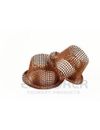
Aluminum alloy wheel hubs are fundamental components in modern vehicles, and their quality hinges significantly on the purity of the molten aluminum. The traditional low-pressure casting method for producing these wheel rims has long relied on filtration to remove impurities. However, conventional filtration techniques present significant challenges, leading to increased costs and compromised product integrity.

The customer is an aerospace parts manufacturing enterprise with extremely high requirements for casting quality. Traditional filtration methods are difficult to meet the needs. The enterprise urgently needs an efficient and reliable filtration solution to ensure the high – quality and high – performance of castings.

For large-scale automotive engine manufacturers, the pursuit of perfection in aluminum alloy purity and engine block internal quality is relentless. Imagine the frustration: high rejection rates, compromised mechanical properties, and the constant threat of defects like pores and slag inclusions. This was the reality for a leading domestic engine manufacturer, grappling with a 10% rejection rate on their critical engine block castings. The culprit? Impurities that led to significant fluctuations in the engine’s overall performance and stability.

An aluminum profile production enterprise’s original aluminum liquid purification process could not meet the requirements. The impurities in the aluminum liquid caused surface defects, internal pores, and other problems during the aluminum profile forming process, seriously affecting the product’s appearance quality and mechanical properties. The defective rate increased, and production costs rose.

A leading aluminum casting manufacturer faced frequent slag inclusions and porosity defects due to inefficient traditional casting filters, increasing scrap rates by 15%.