


- Home
- Companies
- Fluence Corporation
- Articles
Fluence Corporation articles
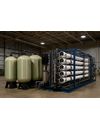
Industrial operations across manufacturing, chemicals, energy, food processing, and heavy industry face increasing pressure to manage feedwater more effectively. Water quality directly influences uptime, energy efficiency, regulatory compliance, and product quality, making feedwater a strategic operational input rather than a background utility.
A smarter approach to industrial water management
Modern feedwater management requires robust, adaptable treatment capable of handlin
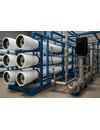
Industrial reverse osmosis (RO) concentrate and wastewater are subject to increasing regulatory and public scrutiny for dissolved solids, nutrients, and persistent contaminants. Fluence addresses these challenges through integrated system design and its Water Management Services (WMS) model, aligning treatment outcomes with site constraints, regulatory expectations, and lifecycle costs.
RO Is Only One Step in the Treatment Train
RO is a cornerstone of industrial water treatment

When aging lagoons meet modern regulations, choices must be made
Wastewater lagoons have been around for decades. They offer a reliable and affordable solution for treating wastewater, especially for small rural communities.
While this approach to wastewater treatment has been effective for years, lagoon systems are now struggling to comply with tighter regu

Shifting demands are reshaping how utilities plan wastewater treatment
As demand for water service grows and existing wastewater treatment systems age, municipal wastewater planning is in a period of transition. Tighter regulatory timelines, uneven growth, and staffing constraints are adding pressure to traditional expansion strategies. At the same time, advances in treatment technolog
How membrane aerated biofilm reactors support small communities, plant upgrades, and decentralized wastewater treatment
Municipal wastewater utilities today are under increasing pressure to do more with less. Stricter nutrient discharge limits, expensive chemicals, aging infrastructure, landlocked areas, rising energy costs, and growing populations all
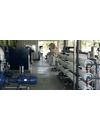
Protecting membranes, improving reliability, and reducing long-term operating risk
Reverse osmosis (RO) plays a critical role in modern industrial water treatment. The technology delivers consistent, high-quality water for applications ranging from manufacturing and food and beverage production to power generation and high-purity processes. Yet even the most advanced R
From food safety to power-plant performance, these were the water challenges, technologies, and solutions driving the most attention in 2025
In a year defined by tightening regulations, rising water stress, and growing pressure on industries to do more with less, certain topics emerged as priorities for operators and industries navigating these pressures. The following five articles drew the most attention in 2025 by addressing these evolving water challenges.
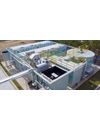
Delays can add costs or cancel projects in 2026
Communities entered 2025 with tight timelines, rising regulatory pressure, and mounting infrastructure needs, and many saw time turn into their most unpredictable and costly variable.
Long, unpredictable permit windows added months or years to schedules. Federal infrastructure reports have long shown that
A phased way to deliver reliable water and wastewater capacity as communities grow
Growing communities don’t reach full size overnight. Residential developments grow in phases, occupancy rises over time, and the infrastructure roadmap often has to accommodate real-world changes in schedule and funding.
“Build to grow” is a practical way of planning for that reality. It’s a phased infrastructure strategy that starts with a clear end-stat
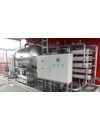
A comprehensive guide to sourcing, treating, reusing, and recovering water across industrial operations
Industrial water management is under more pressure than ever. Water-stressed regions, rising production demands, and tighter regulations are forcing plants to rethink how they source, treat, and discharge water. Instead of treating water as a one-way resource that comes in, gets used, and goes out, more facilities are beginning to design systems that intentionally c
Jason Bowman