


Genesys International Limited products
Membrane Antiscalant
Genesys - Model LF - Broad Spectrum Antiscalant and Antifoulant
Genesys LF is a general purpose liquid antiscalant & antifoulant for use in Reverse Osmosis and Nanofiltration systems. This concentrated phosphonate product is effective against a wide range of inorganic scaling species and also sequesters trivalent metal cations such as iron, manganese and aluminium thus reducing the frequency of membrane replacement and cleaning. Genesys LF has proven to be effective at a Langelier Saturation Index (LSI) of +2.6 which means that systems can be designed and operated at their optimum recovery rates. By reducing the amount of feed water used and concentrate to be discharged, significant savings can be made to both capital and operational costs.
Genesys - Model LS - Antiscalant for Seawater Systems
Genesys LS is a broad spectrum, low phosphorous antiscalant for use in potable sea-water Reverse Osmosis and Nano-Filtration systems, both large and small. By inhibiting all scaling species, Genesys LS allows systems to be designed and operated at high rates of recovery. Significant capital and operational cost savings can be made by reducing the amount of feed water used and concentrate to be discharged.
Genesys - Model SW - Seawater Antiscalant
Genesys SW is a broad spectrum, phosphorous free antiscalant for use in seawater Reverse Osmosis and Nano-Filtration systems. It is highly effective at preventing the formation of inorganic scale thereby reducing the frequency of membrane cleaning and replacement. Genesys SW allows systems to be designed and operated at their optimum rate of recovery, reducing the amount of feed water used and concentrate to be discharged. Consequently significant cost savings can be made with both capital and operational costs.
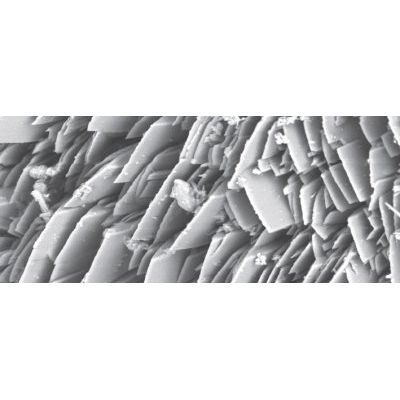
Genesys - Model CAS - Calcium Sulphate Antiscalant
Genesys CAS has been developed as an antiscalant for use in Reverse Osmosis and Nano-Filtration systems operating with feed-waters containing high levels of Calcium sulphate. Genesys CAS is also effective against Calcium carbonate and other commonly found scaling species. The strong threshold properties shown by Genesys CAS against Calcium sulphate and Calcium carbonate enable membrane systems to be operated at their optimum recovery rate. This reduces the amount of feed water needed and the volume of concentrate requiring disposal. Consequently, significant savings can be made with both capital and operational costs.
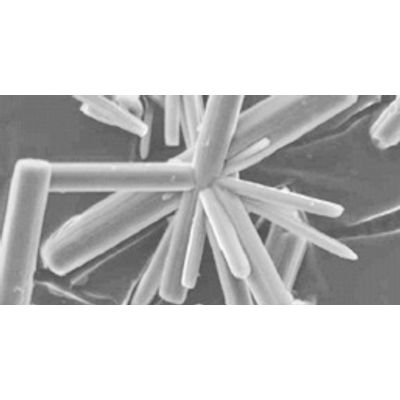
Genesys - Model MG - Magnesium Hydroxide Antiscalant
Genesys MG has been developed as an antiscalant for use in Reverse Osmosis and Nano-Filtration systems with waters having a high magnesium content but is effective against calcium carbonate too. Magnesium hydroxide fouling is not normally a problem in membrane systems because operating pH and temperatures are usually outside the levels where magnesium hydroxide forms. However new applications, involving pH correction to enhance the rejection of boron, are becoming more commonplace and Genesys MG has been developed specifically for use in this technology. Genesys MG is particularly effective in second pass recovery systems working at 80-90% recovery with an adjusted feed pH of 10.0– 10.5.
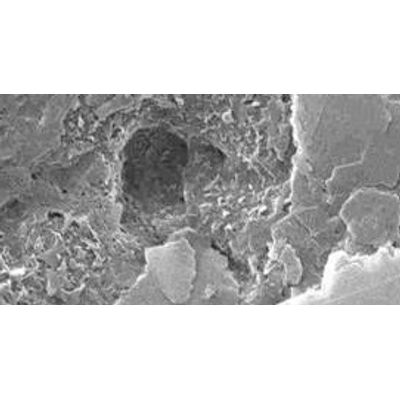
Genesys - Model SI - Silica Antiscalant/Antifoulant
Genesys SI has been developed as an antifoulant for use in Reverse Osmosis and Nano-filtration systems operating on high silica feed waters. Genesys SI is also effective against all common scale forming salts such as calcium carbonate, calcium, barium and strontium sulphate. By reducing silica fouling and inhibiting all forms of scaling, Genesys SI allows OEMS to design systems that can operate at higher recovery rates, reducing the amount of feed water used and the volume of concentrate to be discharged. Consequently, significant savings can be made in capital and operational costs.
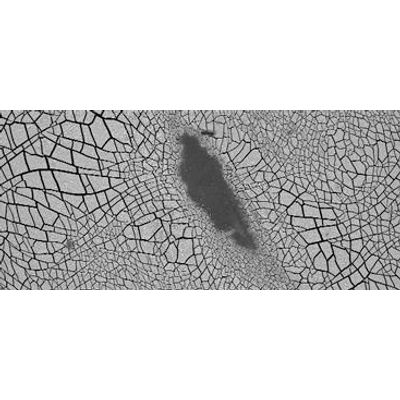
Genesys - Model PHO - Calcium Phosphate Antiscalant
Genesys PHO has been developed specifically to prevent calcium phosphate and calcium carbonate scaling in Reverse Osmosis and Nano- Filtration systems. Genesys PHO permits system operation at higher pH and recovery than other antiscalants; thus reducing the amount of feed water, reject water disposal and acid for pH control needed, resulting in significant capital and operational cost savings.

Genesys - Model RC - Antiscalant for Recycle Systems
Genesys RC has been developed as a broad spectrum antiscalant and antifoulant for use in small and recycling Reverse Osmosis and Nano-Filtration systems with less than 100 m3 /day of feed water flow. Genesys RC is effective at preventing all inorganic scale formation thus reducing the frequency of membrane cleaning and replacement. Genesys RC allows systems to be designed and operated at higher recovery rates. By reducing the amount of feed water needed and concentrate for disposal, capital and operational cost savings can be made.
Genesys - Model WB - Broad Spectrum Antiscalant
Genesys WB has been developed as a broad spectrum antiscalant for use in very small Reverse Osmosis and Nano-Filtration systems using less than 30 m3 /day feed water. Genesys WB contains sodium bisulphite which removes residual chlorine from mains fed feed waters, thus protecting the membranes from oxidation without additional dosing equipment. It is particularly effective in preventing calcium carbonate formation and all commonly found scaling species. It’s effectiveness at a single dose rate means that a detailed water analysis is not necessary. Genesys WB will continue to give maximum protection even when water analyses and operating conditions change.
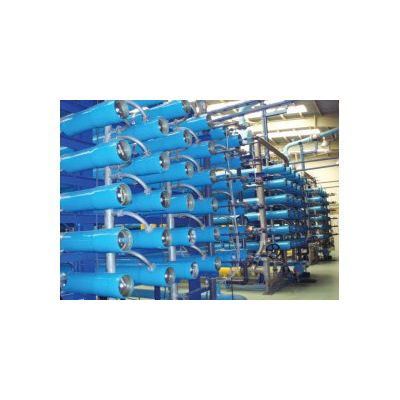
Genesys - Model MP - Broad Spectrum Municipal Antiscalant
Genesys MP is a broad spectrum liquid antiscalant, approved for use in large municipal Reverse Osmosis and Nanofiltration systems. It is effective in brackish and sea-water applications preventing inorganic scale, particularly calcium carbonate, iron and silica thus reducing the frequency of membrane replacement and cleaning. Genesys MP is effective at a Langelier Saturation Index (LSI) of +2.3 which means that systems can be designed and operated at their optimum recovery rates. By reducing the amount of feed water used and concentrate to be discharged, significant savings can be made to both capital and operational costs.