


Gorenje Surovina d.o.o. products
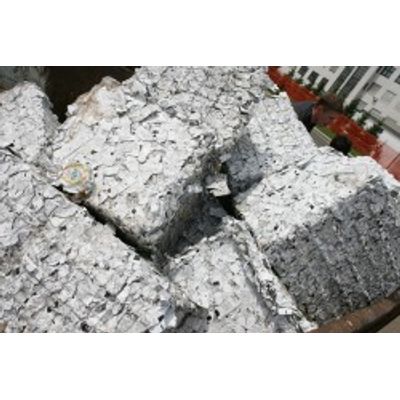
Waste Paper
Collection and processing of waste paper has a long history in our company. The waste paper processing line of high capacity is located in our Maribor business unit. Waste material is sorted first into the new and the old paper. The old paper is further sorted into two sub-categories.
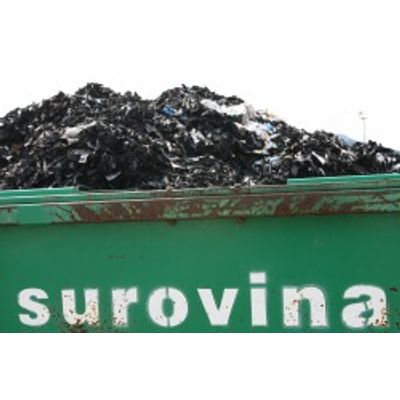
Waste Plastics
Plastics have been a part of our lives already for several decades. Large amounts of plastic waste generated every day can be normally recycled into the secondary raw material. Recycled plastics can be used for technologically less demanding products than it were originally used. A large percentage of plastics are recycled from the packaging waste.
Glass Recyclates
Glass recyclates are sorted into two main categories: the flat glass (car glass and window glass) and glass containers (bottles that are increasingly losing battle with plastic bottles). Glass waste is collected in glass containers, mostly on eco islands in communities and in collection centres.
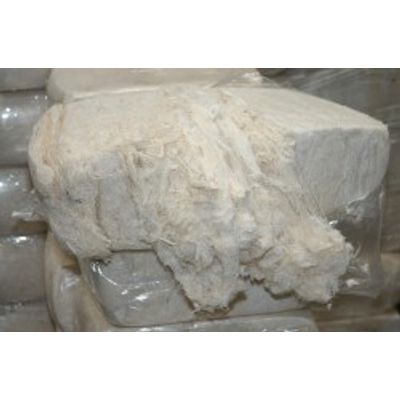
Textile Process
Textile processing used to be very important times ago when textile served a secondary raw material and used as the filler in the upholstery. Today, it has lost its importance due to the decline of textile industry and the use of substitute fillers in upholstery.
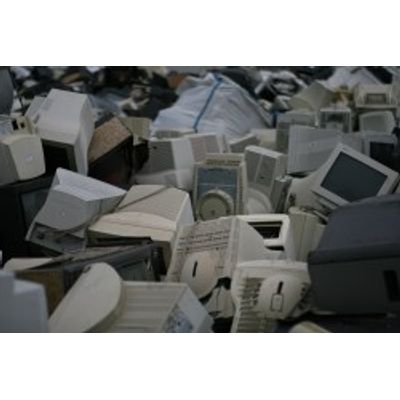
WEEE - Waste Electrical And Electronic Equipment
Collection of WEEE is becoming increasingly important in the recent years. To serve this purpose, the ZEOS scheme has been implemented with the Gorenje Surovina acting as the major collector of WEEE.
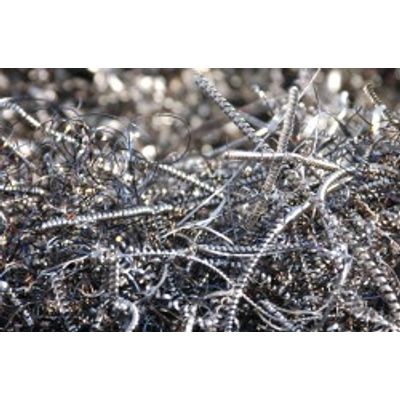
Steel Waste
Steel waste is the primary raw material in our company’s activities. It covers the largest proportion of mass in the processing of secondary raw materials. The largest part of these materials is obtained from industrial yards, i. e. the manufacturing residue, from the waste treatment centres, and from natural persons. We participate in all major campaigns for bulky waste collection and treatments in local communities. The basic sorting is made into scrap iron and sheet metal. Further on, scrap iron is sorted into the old iron and the new iron waste. The recyclable materials are sorted into several subgroups that differ in the thickness of materials, and the size or dimensions they are cut, depending on the customers’ requirements.
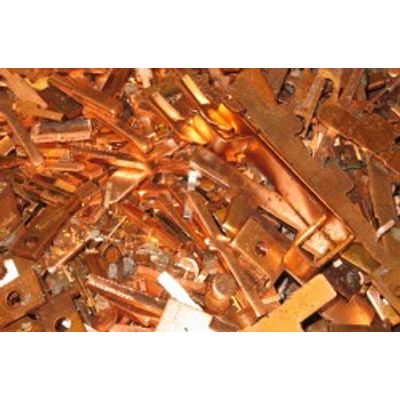
Non-ferrous Metals
Non-ferrous metals are accepted in the form of new waste materials, old bulky waste, and copper shavings.