

Henan Doing Machinery Equipment Co., Ltd. news
The waste tyre pyrolysis industry is currently attracting a feverish interest, prompting many individuals to venture into this burgeoning sector. Yet, a significant number of aspiring entrepreneurs find themselves at a loss regarding how to initiate such a project. To address this, I have meticulously compiled the following comprehensive tips for setting up a tyre pyrolysis machine, aiming to provide our customers with in-depth and valuable guidance.
1. Feasibility Study and Pl
Waste tire pyrolysis plants bring considerable ecological value and considerable economic returns. This technology reduces tire waste, lowers pollutant release, supports renewable energy production, realizes effective resource recycling, and creates stable profit channels for many industries. The following explains the comprehensive environmental and economic benefits brought by waste tire pyrolysis plants.
Reducing Tire Waste and Re

Plastic contamination has grown into a major global environmental challenge, as millions of tons of waste plastic end up in landfills and oceans every year. Amid rising demand for green and sustainable waste disposal methods, plastic pyrolysis has gained recognition as an effective way to turn waste plastic into high-value products, especially fuel oil. This advanced technology not only relieves the pressure of plastic waste accumulation but also helps lower dependence on traditional petroleu

The answer is absolutely yes—Thermal Desorption Units (TDUs) are fully capable of handling oil sludge disposal. In the following sections, we will provide a concise overview of TDUs and their application in oil sludge treatment.
What is a Thermal Desorption Unit (TDU)?
A Thermal Desorption Unit, commonly referred to as an oil sludge pyrolysis unit or oil sludge recovery unit, is a specialized piece of equip

With the growing demand for effective and eco-friendly waste tire disposal solutions, waste tire pyrolysis plants have gained increasing popularity worldwide. Henan DOING Company, boasting over 15 years of expertise in researching and developing waste tire pyrolysis plant, presents this comprehensive guide to help you successfully establish a waste tire pyrolysis plant.
Step 1: Conduct In-Depth Market Research and Feasibility Analysis
Prior to launching a was
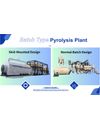
In the quest to manage and repurpose plastic waste, batch-type plastic pyrolysis plant emerges as a groundbreaking solution. This innovative technology transforms non-recyclable plastics into valuable resources, contributing significantly to environmental sustainability and economic growth.
What is Batch-Type Plastic Pyrolysis Plant?
Batch-type plastic pyrolysis plant is a sophisticated system designe
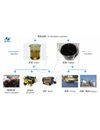
Selecting the best waste oil distillation plant involves considering several factors. Here are some steps to help you make an informed decision:
1. Define your requirements:
Determine the capacity, scale, and specific needs of your waste oil distillation process. Consider factors like the type and volume of waste oil you need to process per day, the desired output quality, and the available space and budget.
2. Research reputable manufacturers:
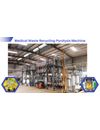
Advanced hazardous waste treatment technologies, including physical, chemical, and thermal processes, are transforming the waste management landscape. Regulatory policies emphasizing waste reduction, recycling, and sustainable disposal are driving market growth. Governments worldwide are implementing stricter regulations to minimize environmental impact, leading to a growing demand for hazardous waste treatment solutions.
Compared to direct incineration, pyrolysis technology can more e

As the world grapples with the impacts of plastic waste, more entrepreneurs are interested in establishing plastic recycling operations. The growing concern over environmental sustainability presents a unique opportunity for individuals to contribute positively while building a profitable business. However, many face challenges such as identifying the right technology, securing funding, and understanding regulatory requirements. This article will provide practical tips for setting up a p
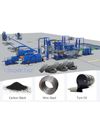
Imagine this: you have a pile of used tires sitting in your warehouse or storage space. You might think that selling them off to a recycling plant is the easiest solution. But what if there was a more profitable alternative—one that didn’t just involve reselling, but rather transforming these tires into valuable resources? What if you could take those tires and turn them into fuel oil, carbon black, and gas through a process called pyrolysis? This method is more than just env