

Nautilus Environmental services
Consulting & Testing Services
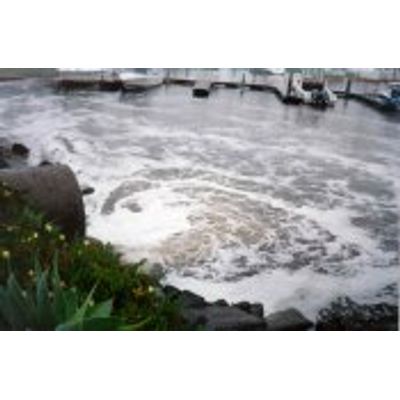
Ambient Water, Stormwater, & Whole Effluent Toxicity Service
Nautilus has an extensive resume of successful long-term whole effluent monitoring programs for numerous permitted clients, many of whom have worked with our group (as Nautilus and predecessor companies) for more than a decade. Our focus on staff retention, QA and method improvements, and cost management lends itself to positive, long-term client relationships, a clear understanding of the needs and expectations of each permittee, and data submittals that withstand regulatory scrutiny.
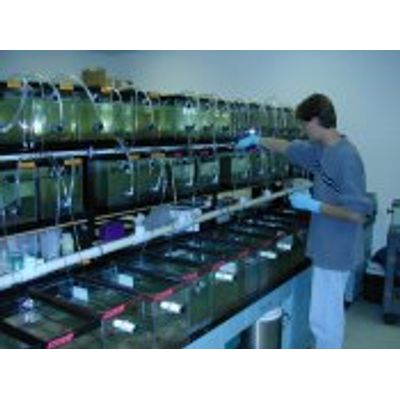
Sediment & Dredged Material Evaluations Service
Nautilus has extensive experience developing and conducting assessments of freshwater, estuarine, and marine sediments and dredged materials. Testing has been performed in support of a diverse array of projects across the United States, Canada, and throughout the Pacific Rim, ranging in scope from small-scale local assessments to an intensive evaluation in Hawaii with 219 sample locations.
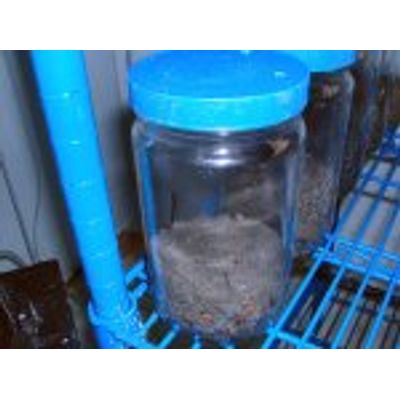
Soil Toxicity Testing Service
Contaminated soils have come under increased focus for regulators; soils contain a record of the environmental history of an area and can pose a primary environmental risk. Soil toxicity tests are used to provide an accurate and reliable evaluation of the combined toxicity of chemical substances that are bioavailable in the soil. Our toxicology staff is familiar with USEPA and WDOE protocols required for soil testing. Acute toxicity is evaluated through short-term survival assays, while chronic effects are monitored through long-term survival, reproduction, or seed germination assays.
Bioassessments Service
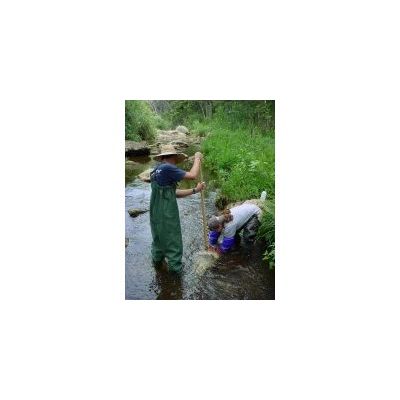
Bioassessments measure both the physical condition of a water body, and the integrity of the associated biological communities. Adding physical and biological metrics to chemical and toxicological assessments provides a more comprehensive evaluation of the condition of a given body of water, and provides a means with which to quantitatively separate impacts of non-chemical substances, such as sedimentation and habitat degradation, from the effects of chemical contaminants and changes in the hydrological regime. While benthic macroinvertebrate sampling results integrate the effects of changes in habitat and water quality over time, and exhibit sensitivity to these parameters, program study design is key to being able to separate these potential causes of observed impacts on the biological community.
Model TIEs - Toxicity Identification Evaluations
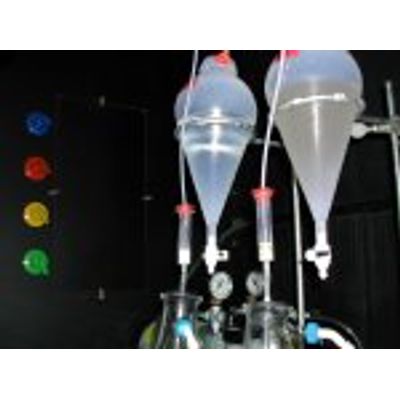
Toxicity Identification Evaluation (TIE) studies are now routinely performed procedures that have proven invaluable and applicable to a wide variety of environmental issues. A TIE combines toxicity testing with a suite of chemical and physical fractionation procedures and analytical chemistry to identify specific constituents responsible for toxicity. The result is a cost-effective method to directly address the cause of toxicity and concentrate accordingly on ways to reduce the problem. TIE procedures were originally developed to assist with NPDES compliance for wastewater discharges, but also have become integral parts for stormwater characterization and BMP evaluation, development of TMDLs for watersheds, and have proven extremely useful for a variety of risk assessment and remediation studies.
Toxicity Reduction Evaluations (TREs)
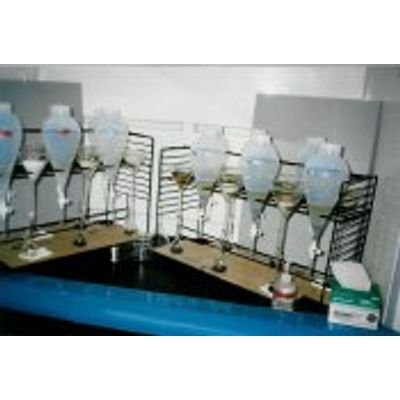
Toxicity reduction evaluations (TREs) typically build upon the results of TIEs in that the TRE focuses on reducing concentrations of the toxicant of interest. This may be through source control that optimizes usage concentrations, switching to an effective but less toxic alternative, optimizing current treatment processes to more thoroughly treat the toxicant of interest, or adding additional treatment technologies to reduce toxicant concentrations. The ideal treatment should be robust, cost-effective, and have limited downside in terms of environmental hazards or human health risks.
Site-Specific Water Quality Criteria
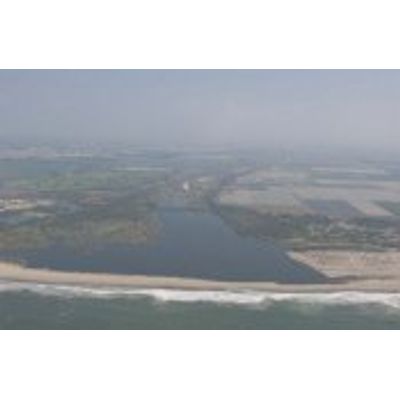
Nautilus has extensive experience in the development of site-specific water quality criteria (WQC) using a variety of EPA-approved methodologies. Three common approaches include: 1) Water-Effect Ratio (WER) studies to modify existing WQC limits based on bioavailability; 2) New WQC development using a multi-species/multi-taxa toxicity testing approach; and 3) WQC recalculation methods based on resident species.
Regulatory Interface Services
The interface between science and policy is key to applying regulatory guidelines in making appropriate site-specific decisions. Nautilus has an impressive history of effective interface between dischargers and regulatory agencies, including modifying existing regulations, developing site-specific criteria (e.g. Water-Effect Ratios), and performing risk assessments to aid in the decision-making process. In many cases, support for site-specific applications of regulations involves integration of toxicity, chemistry, and bioassessment information in order to provide a complete picture that fully justifies the proposed alternative. Thus, a science-based approach is generally the most effective in terms of maintaining credibility with the regulators, as well as providing a fundamentally sound basis for discussion.
Method Development
Nautilus offers a rare combination of experience and depth in the development and validation of test methods. Few other consulting firms can demonstrate similar qualifications through publications in the peer-reviewed literature, as well as participation in technical advisory committees and inter-laboratory validations. Thus, Nautilus is in a unique position to evaluate the suitability of newly developed test methods, or alterations to existing methods. Finally, we have a history of being able to design and successfully apply methods for site-specific applications.