


- Home
- Companies
- Trinity Consultants
- Services
Trinity Consultants services
Compliance Assistance
NESHAP and NSPS Compliance
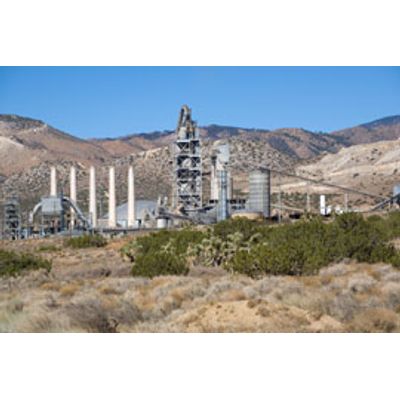
NESHAP-NSPSTrinity tracks the ongoing development and promulgation of New Source Performance Standards (NSPS) and National Emissions Standards for Hazardous Air Pollutants (NESHAP). NSPS apply to equipment in nearly every facility and are one of the first areas addressed in many permitting studies. With nearly four decades of experience in air regulations and permitting, Trinity can be of great value in helping you determine the applicability of NSPS to your operations.

EH&S Auditing Services
The management of any facility requires a watchful eye to ensure regulations and procedures are followed and the intent of management is met. By conducting audits, companies can be assured that prescribed environmental and safety procedures are properly performed. It is an approach that makes good business sense. The lack of proper oversight can adversely impact not only local communities but also the health and well-being of employees. EHS Auditing 01Regulatory fines, increased costs, a poor reputation, and low employee morale result.
Air Emissions Inventories
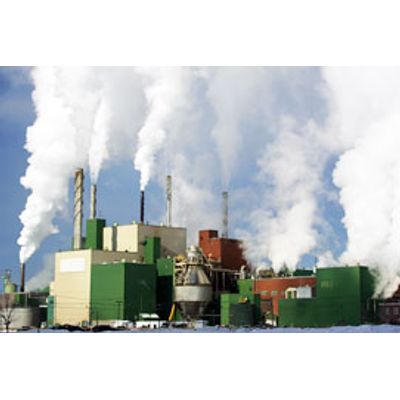
Many air quality permitting projects require a facility-wide inventory of all air emissions sources. An accurate accounting of emissions is also necessary for payment of annual permit fees to state and local regulatory agencies. In addition to common point sources, facilities often have emissions sources that are more difficult to identify and quantify, such as raw material storage piles, material handling operations, solvent cleaning of parts and machinery, surface coating operations, and dust from roadways and parking lots. Use of appropriate emission factors and rates is crucial for developing permitting strategies, determining applicable regulations, and performing air dispersion modeling analyses.
CEMS Support
Industrial facilities subject to air permits and regulatory emissions limits must frequently implement sophisticated Continuous Emissions Monitoring Systems (CEMS) to demonstrate compliance. Without a solid understanding of the federal regulatory requirements under 40 CFR Parts 60 and 75 (as well as state and local requirements) and the development of a good CEMS program, demonstrating compliance with the applicable requirements can be difficult.