


Trinity Consultants services
Air Quality Services
Ambient impact considerations, Compliance audits, Compliance issue resolution, Economic analysis, Emission banking, Grassroots and expanded plants, Review of competitor regulatory files, Siting analysis, Strategic planning, Third party reviews. Development of a permitting and compliance strategy is affected by many factors, such as the possibility that both state and federal permits may be required, the feasibility of using compensating emission reductions as offsets for planned emission increases, the area attainment status with respect to National Ambient Air Quality Standards (NAAQS), and the types of emission controls to be proposed and their suitability as BACT or Lowest Achievable Emission Rate (LAER) (as required by permitting regulations). Waid Environmental`s engineers evaluate these factors early in the permitting process to optimize scheduling and balance both short-term and long-term permitting needs.
Compliance Assistance
NESHAP and NSPS Compliance
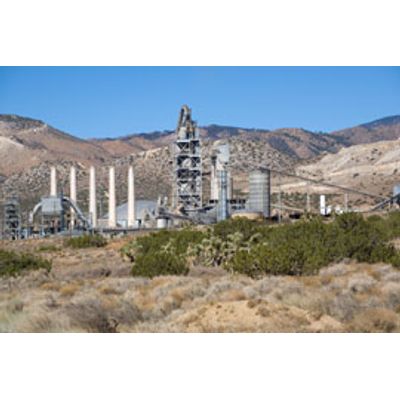
NESHAP-NSPSTrinity tracks the ongoing development and promulgation of New Source Performance Standards (NSPS) and National Emissions Standards for Hazardous Air Pollutants (NESHAP). NSPS apply to equipment in nearly every facility and are one of the first areas addressed in many permitting studies. With nearly four decades of experience in air regulations and permitting, Trinity can be of great value in helping you determine the applicability of NSPS to your operations.

EH&S Auditing Services
The management of any facility requires a watchful eye to ensure regulations and procedures are followed and the intent of management is met. By conducting audits, companies can be assured that prescribed environmental and safety procedures are properly performed. It is an approach that makes good business sense. The lack of proper oversight can adversely impact not only local communities but also the health and well-being of employees. EHS Auditing 01Regulatory fines, increased costs, a poor reputation, and low employee morale result.
Air Emissions Inventories
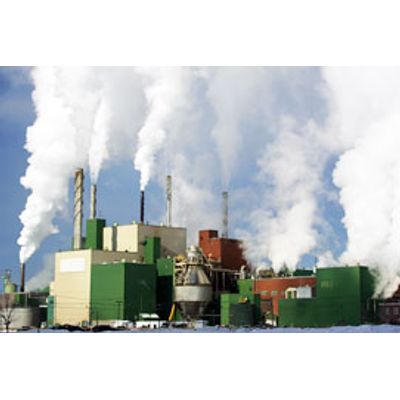
Many air quality permitting projects require a facility-wide inventory of all air emissions sources. An accurate accounting of emissions is also necessary for payment of annual permit fees to state and local regulatory agencies. In addition to common point sources, facilities often have emissions sources that are more difficult to identify and quantify, such as raw material storage piles, material handling operations, solvent cleaning of parts and machinery, surface coating operations, and dust from roadways and parking lots. Use of appropriate emission factors and rates is crucial for developing permitting strategies, determining applicable regulations, and performing air dispersion modeling analyses.
CEMS Support
Industrial facilities subject to air permits and regulatory emissions limits must frequently implement sophisticated Continuous Emissions Monitoring Systems (CEMS) to demonstrate compliance. Without a solid understanding of the federal regulatory requirements under 40 CFR Parts 60 and 75 (as well as state and local requirements) and the development of a good CEMS program, demonstrating compliance with the applicable requirements can be difficult.
Permitting Support

Air Quality Permitting
Whether constructing a new industrial facility, expanding an existing facility, or modifying operations, owners and operators may be subject to air quality permitting requirements. Industrial sources must be designed, constructed, and operated to comply with all applicable air quality regulations. Air quality regulations exist within a range of permitting programs, including state and local codes, and federal programs such as New Source Review and the Title V operating permit program. Each permitting program has associated technical requirements such as emissions quantification, control technology evaluations, air quality analyses (including regulatory dispersion modeling), ambient air quality and meteorological monitoring, and compliance assurance.
Air Dispersion Modeling
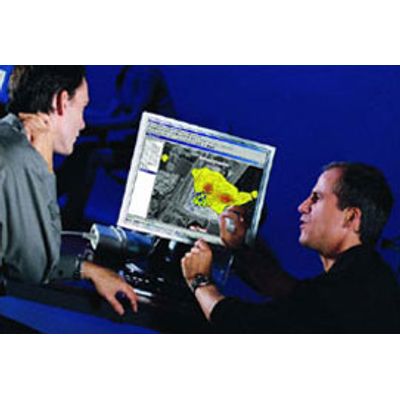
For over 30 years, Trinity Consultants has performed dispersion modeling studies to assist industrial facilities in assessing the impact of their emissions on ambient air quality. Regulatory requirements for dispersion modeling remain the primary motivation for the majority of modeling studies in the U.S. New federal modeling guidelines, more complex models that simulate the transformation of pollutants and more accurately represent dispersion, and stringent air quality standards have made regulatory modeling more demanding. Companies are also realizing the value of dispersion modeling as a planning tool to assess the feasibility of major capital projects. Modeling enables companies to analyze the air quality impacts of operational changes and incorporate the costs of required controls into initial project planning.
Meteorological and Ambient Air Monitoring
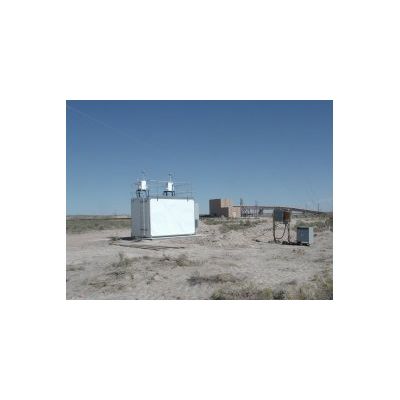
Historically, Trinity has assisted clients with monitoring plan development, oversight of equipment selection and installation, and data quality management and data reduction for a variety of meteorological and ambient monitoring scenarios. Our recent merger with Meteorological Solutions, Inc. (MSI) of Salt Lake City enhanced our ability to provide comprehensive, turnkey meteorological and ambient air quality monitoring services to our clients.
Control Technology Analysis
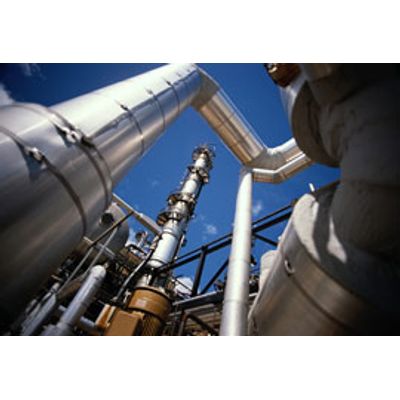
ControlTechnologyDepending on the location of a project and the equipment and pollutants involved, air pollution control technology requirements may be significant in terms of cost and preparation of the air quality permit application.
Climate, Energy & Sustainability

Climate Change Services
The accumulation of greenhouse gases (GHGs) in the Earth`s atmosphere, created primarily through fossil fuel combustion, has resulted in global climate change, or global warming. As a result, climate change has emerged as a critical environmental management issue for organizations today. Organizations are faced with developing federal and state regulatory frameworks in the U.S., such as California’s AB-32 regulation and EPA`s GHG Mandatory Reporting Rule. Global companies are also faced with meeting the requirements of various international programs.