


UviTec, part of ABB (Formerly Real Tech Inc.) applications
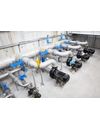
Problem: Nitrate, the most stable form of nitrogen in water, is found in both ground and surface water and originates from both natural and anthropogenic sources. Due to its high solubility in water, nitrate is not filtered out from groundwater like other contaminants. Removing nitrates from source water is important as elevated levels in drinking water can cause serious health effects when ingested.

Problem: A challenging aspect of drinking water treatment is often predicting or monitoring the changes that occur with incoming water quality. Seasonality, weather events, agricultural practices or upstream discharges can influence the quality of both ground and surface water over time. With multiple variables impacting source waters, monitoring historical trends may not be sufficient to predict raw water changes or detect uncharacteristic events.

Problem: Drinking water plants that use surface water or ground water under the influence of surface water are susceptible to high levels of organic matter in the raw water. Reduction of organic matter through coagulation/sedimentation and filtration is important to lower the potential for disinfection by-product formation (DBP) and limit operational problems. In addition, organics in water consume the polymers used for the coagulation process, which reduces the efficiency of the treatment. Therefore, optimization of the polymer dosing heavily depends on the concentration of organics.
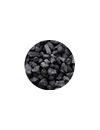
Problem: Organic matter (UV254/TOC) in drinking water can react with chlorine to form harmful disinfection by-products (DBPs). Some removal of TOC is achieved through the conventional drinking water treatment processes, while carbon absorption may be used to further enhance the removal of TOC prior to chlorine disinfection.
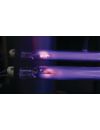
Problem: Waterborne pathogens can cause serious disease outbreaks. Drinking water disinfection forms the final barrier between these pathogens and humans. For drinking water disinfection, ultraviolet (UV) light has proven to be the best method for inactivation of Cryptosporidium parvum and Giardia lamblia parasites found in natural waters. Organic matter and suspended particles in water absorb and scatter UV light, interfering with pathogen inactivation by UV irradiation.
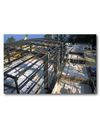
Problem: Drinking water plants that use chlorine for disinfection must ensure organic matter is removed before chlorination to limit the formation of harmful disinfection by-products (DBPs), most commonly Trihalomethanes (THMs) and Haloacetic acids (HAA5).

Problem: Accidental or intentional contamination of a distribution system can occur without warning, compromising the quality of drinking water.

Problem: Industrial manufacturers face stringent regulations for discharging wastewater to the environment and municipal sewer systems. Biochemical Oxygen Demand (BOD) is a primary concern for many discharge limits, as wastewaters high in BOD can have adverse impacts on the aquatic environments by leading to oxygen depletion. In some cases, as a means to supplement BOD, it is also desirable to monitor chemical oxygen demand (COD) of industrial effluents. Both of these tests, are time and labour intensive reducing the frequency at which they can be measured for a given effluent.

Problem: A significant portion of the operational costs of a conventional municipal wastewater treatment plant employing an aerobic biological treatment unit comes from electricity costs associated with aeration. In many cases, the aeration rates are kept at the maximum level to ensure that the plant’s effluent is in compliance with the regulations. The critical parameter for regulatory purposes and treatment efficiency, BOD, takes 5 days to measure through standard methods providing almost no value to the plant operators in terms of adjusting aeration rates and chemical dosing.
Problem: Prior to environmental discharge, wastewater is disinfected to ensure pathogens present in the water are inactivated. Ultraviolet (UV) disinfection is becoming a widely accepted treatment technology for wastewater disinfection due to the deleterious effects of chlorine on aquatic life. The ability for the UV light to penetrate the water is directly related to the concentration of suspended particles and organic matter in water that absorb or scatter the light.