


UviTec, part of ABB (Formerly Real Tech Inc.)

Drinking water solutions for the DBP formation potential - Water and Wastewater - Drinking Water
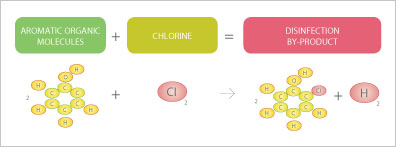
Problem: Drinking water plants that use chlorine for disinfection must ensure organic matter is removed before chlorination to limit the formation of harmful disinfection by-products (DBPs), most commonly Trihalomethanes (THMs) and Haloacetic acids (HAA5).
Most popular related searches
drinking water
drinking water plant
disinfection by-product
drinking water system
chlorine dosing
water quality
trihalomethane THM
water source
water potential
chlorination
Monitoring UV254 provides the best indication of a water source’s potential to form DBPs. This is because absorbance at 254 nm has a bias towards aromatic organics, which readily react with chlorine to form DBPs.
- Improved treated water quality
- Reduced chlorine dosing for residual concentration requirements
- Compliance with MCL for THMs and HAA5s
- Improved public safety
Stay in the loop!
Select your areas of interest to receive industry updates.