


Waste Water Management, Inc. (WWMI) products
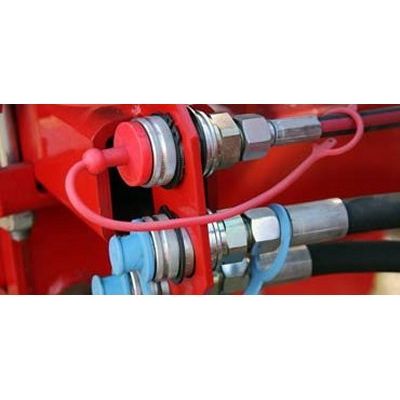
Complex Hydraulic Systems
WWM is a nationally recognized expert in the field of complex hydraulic system analysis and design. Services are provided for problem trouble shooting, forensic investigation, hydraulic analysis and the design pumping and piping systems. Often as pumping systems age the resultant changes in energy forces result in hydraulic anomalies. Many times existing pumping systems require upgrades or enhancements to achieve greater delivery rates. Most often new facilities require design for multiple pumps operating to meet initial conditions which must then be capable of overcoming future demands as the project matures.
Wastewater Treatment Plants
Beginning with the passage of Public Law 92-500 – “Water Pollution Control Act Amendments of 1972”, commonly known as the “Clean Water Act”, every municipality was faced with either upgrading or constructing a new wastewater treatment plant to meet “secondary” treatment standards as part of the national effort to enhance the quality of the Waters of the United States. Following fifteen years of intense engineering and construction virtually every community was operating a then state of the art wastewater treatment plant. By the mid 1980s it was recognized it would be twenty five years before the new plants would require engineering for the upgrades and expansions to address growth induced capacity demands, repair worn out components or install new technology based equipment or processes to meet more stringent water quality standards.
Water Treatment Plants
WWM’s experience in water treatment plant engineering and design is as long as its experience in wastewater treatment plant design. That being said however, the number of constructed and operating wastewater treatment plants far exceeds the number of water treatment plants throughout the United States. The main reason for this disparity it the fact the extension of public water utility service areas is relatively straightforward as compared to the extension of public sewer service areas. As a result many more water systems expand through the installation of supplemental storage tanks, booster stations and distribution lines. Also, water service in rural areas may be dominated by individual wells and in large urban areas such as Northern Virginia and the Maryland National Capital region public water utilities may be developed to serve multiple jurisdictions while each maintains a separate sewer system.