
- Home
- Applications
- water monitoring
Refine by
Water Monitoring Product Applications For The Textile Industry
9 applications found
Premium
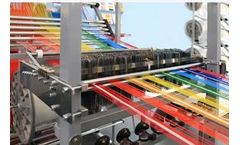
The textile manufacturing industry encompasses many and diverse processes that rely heavily on the use of water, energy, chemicals, and other resources. Wet spinning, sizing, desizing, scouring, bleaching, mercerization, dyeing and printing are just a few. Monitoring and controlling the pH, TDS/Conductivity/Salt Concentration, ORP (REDOX), and Temperature of the aqueous solutions used in these processes conserves costly resources, controls quality, and reduces the amount of pollution that must be treated before ...
ByMyron L Company based in Carlsbad, CALIFORNIA (USA)
Premium
The Textile industry is a water intensive industry. Rising water costs due to increasing water scarcity and more stringent environmental regulations have lead to textile companies globally to seek advanced, innovative and efficient textile wastewater treatment solutions to assist them to reduce their water footprint, decrease operational cost and maintain regulatory compliance. Therefore, sustainable water quality management and conservation through water reuse strategies are increasingly becoming critical to the ...
ByGenesis Water Technologies, Inc. based in Maitland, FLORIDA (USA)
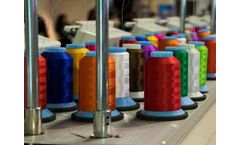
Textile industries are water-intensive and large amounts of water are used in textile manufacturing processes. Almost all dyes and chemicals are applied to textiles in water baths. Preparation steps such as desizing, washing, bleaching and mercerizing generally use aqueous systems. The importance of water in textiles is noted by the textile industries in India and China, their use of local water supply, and the mixing of untreated wastewater, which is composed of fats, oils, colors and other chemicals added in a ...
ByZetaş Kimya based in Ostim OSB/Yenimahalle, TURKEY

The mercerization process involves immersion in a caustic soda (sodium hydroxide) solution, which later needs to be ...
ByEco2Mix Inc. based in Fresno, CALIFORNIA (USA)

Developing a sustainable approach to the disposal of textile and dyeing wastewater is a fundamental industry challenge. Textile effluents contain various chemicals used in the production process and material pollutants, such as fibre, protein and other soluble organic pollutants. Higher costs are associated with the decomposition of any dye remaining in the effluent, due to the large size of dye molecules and their low biodegradability. ...
ByWoxford Environmental Technologies (UK) Ltd. based in Headington, UNITED KINGDOM
A reduction in the Biochemical Oxygen Demand BOD5, produced in the bleaching, washing and dying processes for ...
ByToro Equipment S.L. based in La Cisterniga, SPAIN

The manufacture of textile products and concordantly, the textile product waste water rapidly increases and this situation contributes to the pollution having industrial sources in the world. ...
ByGuven Aritma Muh. Tic. Ltd. Sti based in İzmit/Kocaeli, TURKEY

Wastewater from a textile facility contains a variety of dyes and organic chemicals from the manufacturing processes that are often difficult to treat. Spectral analysis is well suited for monitoring waste streams to identify problematic dyes prior to treatment. Continuous monitoring of effluent wastewater for BOD and COD helps to ensure effective treatment and quality of effluent to ensure regulatory goals are met prior to ...
ByUviTec, part of ABB (Formerly Real Tech Inc.) based in Whitby, ONTARIO (CANADA)

Textile industries consume different kinds of manmade dyes or other chemicals and release huge extents of highly polluted water into the environment. The main pollution in textile wastewater come from dyeing and finishing processes. These processes require the input of a wide range of chemicals and dyestuffs, which generally are organic compounds of complex structure. Water is used as the principal medium to apply dyes and various chemicals to textiles. Since many of them are not contained in the final product, ...
ByYASA ET based in Shanghai, CHINA